REVIEW · LONDON
The Tate Modern London – Exclusive Guided Museum Tour
Book on Viator →Operated by Babylon Tours London · Bookable on Viator
Modern art can feel like a test. This Tate Modern tour turns it into a guided walk with real context. You’ll cover iconic names, from Mondrian’s color grids to Duchamp’s Fountain moment, with a guide who keeps the focus moving.
I especially like the small-group, personal pacing. Guides listed with past tours, like Becky, Matilda, and Jake, are praised for making the stories behind the works feel clear and human, not like a lecture. I also like that the tour is built around major art movements you can recognize right away, so you’re not wandering the museum hoping something clicks.
One possible drawback: Tate security is strict. You’ll need to plan for no large bags or suitcases inside, and some rooms can be very quiet with rules about speaking.
In This Review
- Key highlights you’ll feel right away
- Tate Modern in 2 hours: what you’re paying for
- The route: Mondrian, Picasso, Dali, Monet, Rothko, Warhol, Duchamp
- Stop-by-stop pacing: why the order matters
- Private tour setup: how exclusivity changes your experience
- Getting to Tate Modern and handling museum rules
- The value question: is $107.74 worth it?
- Who should book this Tate Modern guided tour
- Should you book this Tate Modern exclusive guided tour?
- FAQ
- How long is the Tate Modern exclusive guided museum tour?
- Where do I meet the guide for the Tate Modern tour?
- What language is the tour offered in?
- Is admission to Tate Modern included?
- Is this a private tour?
- What does the tour include?
- What is not included?
- Do I need to provide a mobile phone number when booking?
- Are there any rules about bags inside the museum?
- What if Tate Modern has an unexpected closure?
Key highlights you’ll feel right away
- Two-hour focus: A tight route through modern and contemporary highlights, so you don’t get lost in the museum maze.
- Art history made practical: You’ll connect what you see to the moment it was made and the ideas behind it.
- Big-name works with clear guide context: Mondrian, Picasso, Dali, Monet, Rothko, Warhol, and Duchamp come up on the route.
- Personal guide energy: Past guides like Jeremy, Caroline, Ellie, and Eleisha show up in feedback for being engaging and interactive.
- Museum rules you’ll actually need: Bag limits, quiet-room behavior, and the reality of lines inside major London attractions.
Tate Modern in 2 hours: what you’re paying for
Tate Modern is huge. Even if you love art, wandering without a plan can turn into a lot of staring and a lot of nothing-clicks. This tour is designed to solve that problem with a human guide and a route that hits the museum’s most talked-about works.
You’re in the museum for about 2 hours. That’s short enough to keep your brain fresh, but long enough for the guide to explain the “why” behind each stop and help you form your own opinion. For me, that’s the real value: you’re not just collecting labels. You’re learning how to look.
The tour is offered in English, with a mobile ticket. You’ll also want a moderate fitness level. Tate Modern is not a sit-down show. You’ll walk between galleries and stand at artworks for a few minutes at a time, which adds up.
A nice bonus is the overall reputation. This experience has a 5/5 rating across 41 reviews, with 100% recommendation. That doesn’t mean it’s perfect for everyone, but it does suggest the tour consistently lands well when people want clarity and momentum.
You can also read our reviews of more guided tours in London



The route: Mondrian, Picasso, Dali, Monet, Rothko, Warhol, Duchamp
The heart of this tour is the sequence. The guide’s path moves through recognizable names and helps you see how styles change, sometimes fast. You’ll start with early modern ideas and end with questions that still feel current.
At the Tate Modern galleries, you’ll first be introduced to Mondrian’s geometric color patterns. This is a great opening stop because it shows how art can be built like a system—color and form doing the work. The guide’s job here is to make those shapes feel intentional, not random.
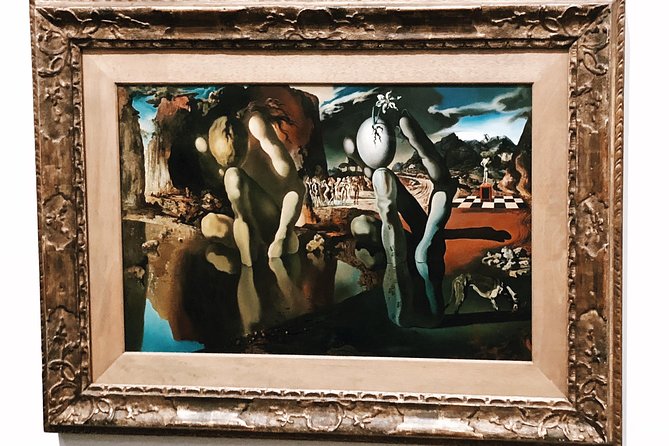
Next comes Spanish-born Picasso and Dali, with attention on how they produced some of their greatest work during the Spanish Civil War era. This is one of those moments where context matters. When you understand what was happening around the artists, their choices start making more sense—even if you still disagree with the look.
Then you’ll shift to the Impressionists, with Monet used to explain how artists broke from older rules about paint, light, and observation. If you’ve only ever seen Impressionist paintings in books, this is where you see scale and brushwork in a real space.
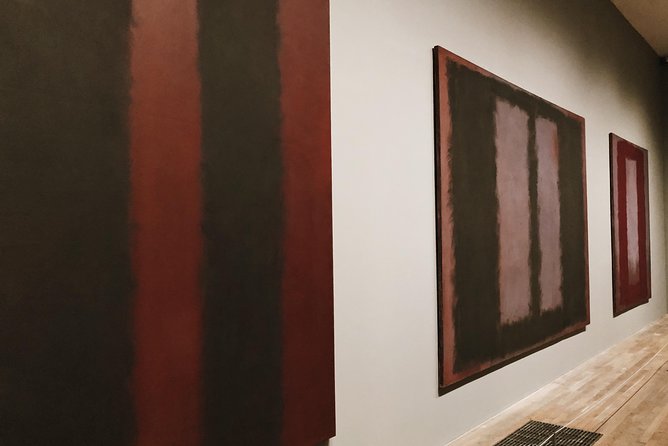
From there, the tour moves into abstract-expressionism, including Mark Rothko. This stop works well on a guided route because Rothko can feel like “color fields” until someone gives you a way to read the feeling in the work. You start noticing what your eyes are doing: soft edges, heavy color, repetition.
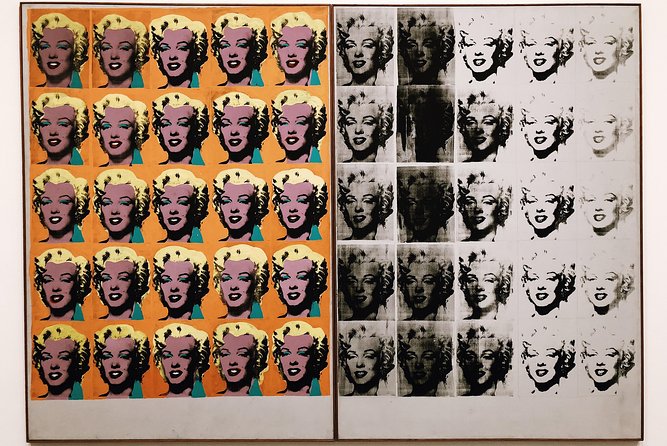
In the 1960s pop art section, you’ll encounter Andy Warhol, including pop portraits tied to Marilyn Monroe and other celebrities. Warhol is a great pivot point because it asks an obvious question: why does celebrity culture belong inside a museum? The guide typically helps you connect the idea to the wider cultural shift of the era.
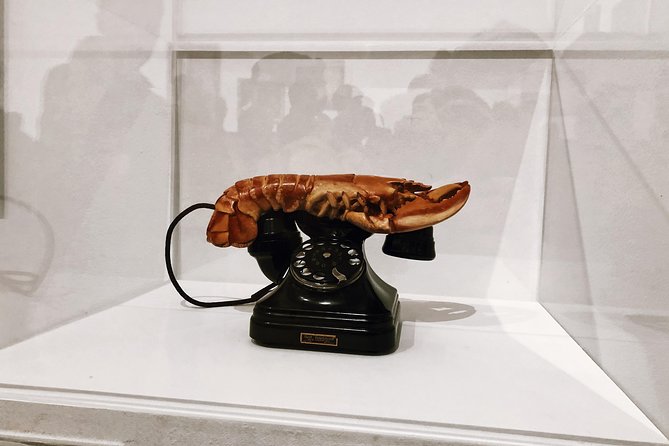
The tour then lands on something more philosophical: Marcel Duchamp’s Fountain. You’ll be guided to stand around it and slow down. The point here isn’t to force a single interpretation. It’s to see how one provocative object can change the rules for what counts as art. Expect thought-provoking prompts, including questions about what art is and why we accept it as art at all.
If you want a tour that covers the museum’s headline names, this route does it. If you want to “master” art history in two hours, no tour will do that. What you can get is a clear mental map.
Stop-by-stop pacing: why the order matters
A museum can overwhelm you by sheer volume. Tate Modern has enough galleries that you could spend a whole day and still miss key works. The tour combats that with an order that builds from form and style to context and then to big questions.
Starting with Mondrian-style design helps your brain switch gears. You stop thinking “pretty vs not pretty” and start thinking “structure and idea.” Then the Picasso and Dali segment adds emotional and political weight, which changes how you read brushwork and subject matter.
When you reach Monet, the guide helps you connect earlier modern experiments with what came next: seeing the world differently, and then painting that way. After that, moving to Rothko flips the method again. Instead of depicting scenes, you’re looking for feeling, scale, and the way color holds attention.
Warhol is a practical change of pace. It brings you to culture you already know: media, faces, repetition. By the time you get to Duchamp, you’re ready for the tour to ask the bigger question without you feeling lost. That final stop also tends to stick in your memory because it’s the kind of artwork people think they understand until a guide gives them a different way to question it.
One drawback to note: if you’re the type who gets impatient standing still, the time spent in front of major works might test you. This tour is built for pausing and looking.
Private tour setup: how exclusivity changes your experience
This experience is described as private, meaning it’s meant for just your group. But there’s also an important option detail: some versions may not include the same level of guide attention.
In the tour’s included items, it states that a tour guide exclusively for you does not apply if you choose the SAVE! BOOK SEMI-PRIVATE option. That’s not a tiny footnote. A lot of the value of a guided museum visit comes from interaction—questions, pacing, and the guide adjusting to your questions as you go.
You’ll see guide names in feedback like Becky, Matilda, Jeremy, Sacha, and Caroline. While you can’t pick who leads your session based only on what’s listed here, the repeated pattern is that the guides are engaging and willing to talk ideas with you. That’s easiest to experience when the group stays small and the guide isn’t splitting attention.
If you’re traveling as a couple, with kids, or with friends who want discussion instead of a recital, I’d lean toward the version that guarantees exclusive guide time.
Getting to Tate Modern and handling museum rules
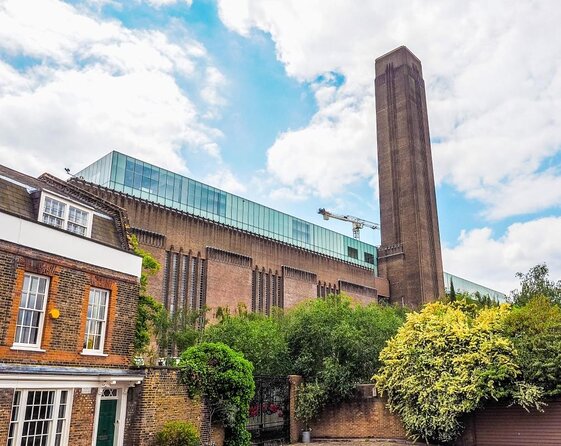
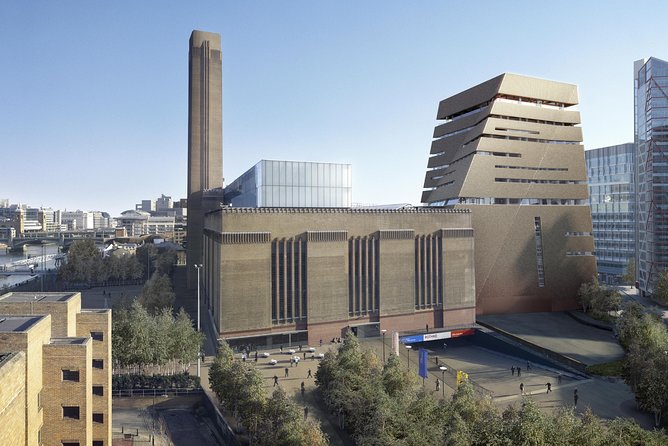
Meet at Tate Modern Bankside, London SE1 9TG. The tour ends back at the same meeting point, so you can plan an easy follow-up walk afterward. The start point is near public transportation, which helps because London traffic can be unpredictable.
Hotel pickup and drop-off are not included. If you’re staying far away, use a taxi or Uber to save time and avoid stress. When you’re on a schedule, that matters.
Now the stuff you don’t want to discover at the gate:
- No large bags or suitcases inside the museum. Only handbags or small thin bag packs go through security.
- Appropriate dress is required for entry into some sites.
- Some rooms can be very quiet or restrict speaking. The guide will tell you before you enter those areas.
- Even with access options like skip-the-line or no-wait mentioned for some tours in general, lines can still form due to security. So I’d treat the time window as flexible.
Also, you must provide a mobile phone number (with country code) at booking. That’s a real operational detail. It helps the operator coordinate updates, including anything tied to museum operations.
Finally, note that Tate Modern and other London sites can have occasional closures without warning. If the museum opening is delayed more than 1 hour from the tour start time, they’ll provide an alternative. But the data also says no refunds or discounts in those cases. If your schedule is tight, this is worth factoring in.
You can also read our reviews of more museum experiences in London





The value question: is $107.74 worth it?
At $107.74 per person, this isn’t a cheap “wander with a map” add-on. You’re paying for three things: a guide, a tight route, and a smoother way to understand what you’re seeing.
Here’s how I’d measure value:
First, the tour lasts about 2 hours, which is enough time for real guidance but not enough to drain your day. For many people, that timing hits the sweet spot. If you’re only in London for a short stay, spending half a morning or afternoon wisely is part of the cost-benefit.
Second, the museum ticket is listed as free in the tour description (Admission Ticket Free). That’s important. A guided tour that includes entry costs tends to feel more fair, because you avoid stacking surprise add-ons.
Third, group size and guide attention matter. Past feedback repeatedly highlights how guides like Jeremy, Sacha, Becky, Caroline, Matilda, Jake, Ellie, and Eleisha were engaging and helpful. When you’re paying over $100, you want a guide who can explain ideas in a way that makes you look harder, not look confused.
Possible drawback on value: if you already love modern art and you’re the type who reads wall text carefully, a self-guided visit could still work. Tate Modern gives you lots to explore. The guided experience becomes most valuable when you want a shortcut to understanding and interpretation.
Who should book this Tate Modern guided tour
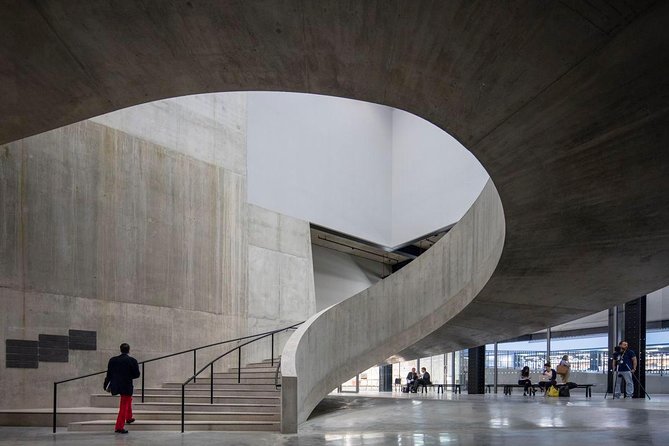
This tour makes sense for art lovers who want structure. It also works well for people who feel intimidated by modern art. The stops chosen are recognizable and high-impact, and the guide’s job is to translate what can feel abstract into something you can respond to.
It also seems to fit families. One guide name, Caroline, is praised for doing a great job with a 12-year-old and a 14-year-old, including enough history and meaning without losing the kids. If you’re traveling with teens, this could be a smarter plan than trying to manage a museum route alone.
If you’re a complete beginner, you’ll benefit from the way the guide connects movements—Mondrian to Picasso/Dali to Monet to Rothko to Warhol to Duchamp. If you already know some names, you’ll still benefit from having someone help you look at them in a new order.
If you need step-by-step wheelchair routing, pay attention to the option note: wheelchair friendly does not apply if you choose the SAVE! BOOK SEMI-PRIVATE option. So choose your version carefully if accessibility matters.
Should you book this Tate Modern exclusive guided tour?
Book it if you want modern art with a clear path and a guide who can connect works to the ideas behind them. The fact that guides like Becky, Matilda, and Jake show up in strong feedback for both knowledge and engagement is a good sign that the experience is built to help you see, not just listen.
Don’t book it if you prefer a slow, self-directed museum day and you’re comfortable reading a lot of text on your own. Also skip this plan if you already know your bags will be big or you hate any chance of quiet-room rules. Tate security rules are real, and you’ll want to travel light.
If you want a two-hour modern art crash course with real context and high-impact stops, this is a solid choice.
FAQ
How long is the Tate Modern exclusive guided museum tour?
The tour is listed as approximately 2 hours.
Where do I meet the guide for the Tate Modern tour?
The meeting point is Tate Modern Bankside, London SE1 9TG, UK, and the tour ends back at the meeting point.
What language is the tour offered in?
The tour is offered in English.
Is admission to Tate Modern included?
The tour description for the Tate Modern stop lists Admission Ticket Free.
Is this a private tour?
Yes. It’s described as private, with only your group participating.
What does the tour include?
It includes a guided museum tour, a duration of 2 hours, and a tour guide exclusively for you in the standard option. Wheelchair friendly is also listed, but it does not apply with the SAVE! BOOK SEMI-PRIVATE option.
What is not included?
Temporary exhibitions are not included. Hotel pickup or drop-off and gratuities are also not included.
Do I need to provide a mobile phone number when booking?
Yes. You must provide a mobile phone number, including the country code.
Are there any rules about bags inside the museum?
Yes. No large bags or suitcases are allowed. Only handbags or small thin bag packs are allowed through security.
What if Tate Modern has an unexpected closure?
If the museum opening is delayed more than 1 hour from the tour starting time, an appropriate alternative will be provided. The information also states that refunds or discounts can’t be provided in these cases.