Dragons hide in London stonework. This walk threads myth and symbolism through real streets, so the City of London feels stranger and smarter at once. I like the small group size (up to 8), and I especially love the Roman angle, including a stop tied to Mithras.
You’ll also get a practical payoff: a PDF with the places you saw, so you can keep following the story after you finish walking. Plus, the pace is built for frequent stops, not nonstop marching through the crowds. One catch to plan for: not every church (and not every photo-worthy detail) is guaranteed to be accessible on the day, since openings can vary.
In This Review
- Key takeaways before you go
- Why London’s dragons live in plain sight
- Meeting at Cannon Street and walking the “dragon routes”
- London Stone: the City’s protective myth in real stone
- Bloomberg Arcade and the Walbrook memory under modern streets
- The Mithras stop: Roman occult themes under the City
- Bank of England: a seat of power on a forgotten river
- St Mary Le Bow: Bow Bells and sidelined symbolism
- Cheapside’s oldest tree: remembering what’s gone
- St Paul’s Cathedral: phoenix symbolism and ceremony through time
- St Martin-within-Ludgate: ancient enigmas in a working city church
- Ludgate Circus: lost rivers and the name-making king idea
- St Bride’s Church: a pagan well history
- St Dunstan In The West: medieval symbolism you can’t unsee
- Temple Church: Templar roots and esoteric wisdom
- Temple Bar Memorial: protector dragons and older myth echoes
- What makes the guide style matter on this tour
- Price and value: why $29.48 can work well here
- Walking comfort and who this tour suits best
- When to be cautious: closures, especially on holidays
- Should you book this London Mystical and Dragons tour?
- FAQ
- How long is the London Mystical and Dragons walking tour?
- Where does the tour start and what time does it begin?
- How much does the tour cost?
- How many people are in the group?
- What language is the tour offered in?
- Do I get a ticket or something on my phone?
- Do I get a PDF after the tour?
- Are the stops admission ticket free?
- What happens if the weather is bad?
- Is there free cancellation?
Key takeaways before you go
- Up to 8 people means real conversation, not a headset lecture
- City-of-London symbolism runs through every stop, from church carvings to city monuments
- Roman Mithras themes give the walk a deeper historical backbone
- Dragon stories connect to specific landmarks, including Temple Bar’s protector-dragon lore
- You take home a PDF, so you can revisit the route later without guessing
- Good shoes help, because it’s a proper walking tour with short breaks
Why London’s dragons live in plain sight
This tour is for you if London’s history feels more fun when it has a secret layer. The core idea is simple: the City of London is packed with symbols, and once your guide points them out, you’ll start seeing patterns everywhere.
The “dragon” theme isn’t just fantasy costume stuff. It’s used as a way to connect geography (including forgotten rivers under the city), religion (church iconography and ancient mystery cults), and legend (protector dragons and older myth echoes). If you enjoy folklore and how symbols travel across centuries, you’ll feel right at home.
You can also read our reviews of more walking tours in London



Meeting at Cannon Street and walking the “dragon routes”
You start at 113 Cannon St, London EC4N 5AW, with the walk beginning at 1:30 pm. The tour ends at Temple Bar Memorial, City of London (EC4A 2LT), near the Royal Courts of Justice area, which is a nice way to finish your afternoon without ending in an awkward dead zone.
With a typical duration of 2 to 3 hours, you’re looking at a focused stretch that feels long enough to matter, but short enough to pair with dinner plans. The group stays small (max 8 travelers), and that changes the experience: you can ask questions, and your guide can adjust the flow if people want extra context.
If you’re someone who gets tired easily, plan for stops that are short and frequent. This is not a one-big-sight type of walk. It’s more like a sequence of “wait, look at that” moments.
London Stone: the City’s protective myth in real stone
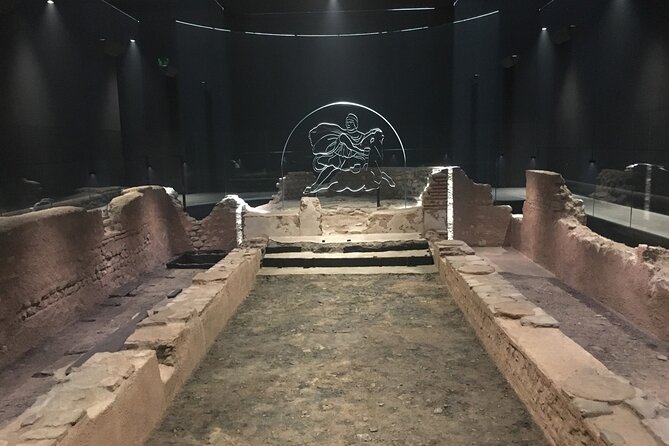
The walk begins with London Stone, described as a sacred stone said to keep London safe. Even if you’re not the type who chases supernatural claims, London Stone works as a history hook because it’s so embedded in the city’s identity.
I like this opening because it gives you a mindset for the rest of the afternoon. Instead of treating each stop as a random curiosity, you start to look for roles: protection, power, memory, and continuity.
Practical note: this part is quick (around 10 minutes), so keep your eyes open. The guide’s job here is to help you notice what you’d normally walk past without a second thought.
Bloomberg Arcade and the Walbrook memory under modern streets
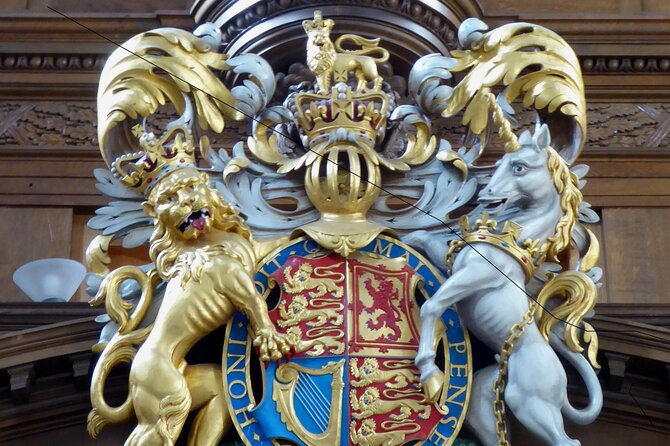
Next comes Forgotten Streams at Bloomberg Arcade, where the focus shifts to the Walbrook river—a reminder of how London’s modern layout sits atop older waterways. The point is not just trivia. Rivers shaped where people built, where trade flowed, and what places meant.
On this tour, the “dragon” idea connects to water as a symbol of life and unseen power. Once you hear that framing, you’ll start thinking about what the city hides in plain sight—especially in a place like the City of London, where so much history was layered over and then forgotten.
The Mithras stop: Roman occult themes under the City
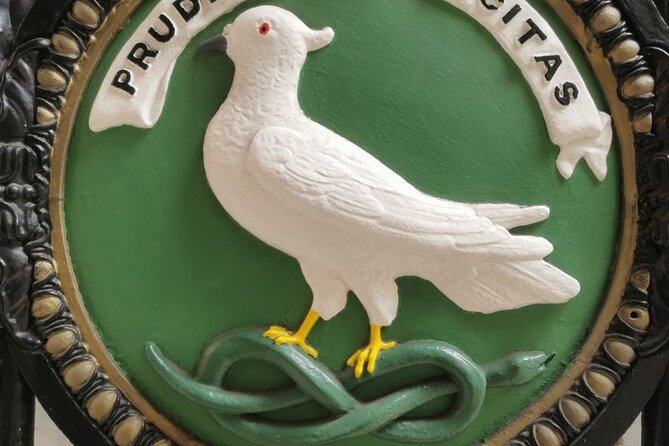
The most distinctive moment on the route is the stop tied to Mithras, a Roman mystery cult associated with ancient occult knowledge. This is where the walk stops being only folklore-on-streetcorners and becomes something with a heavier historical spine.
What I like about including this stop is that it creates balance. You’re not choosing between “church symbols” or “dragons and legends.” You’re seeing how older belief systems reused symbols, reused storytelling language, and left traces that still show up in architecture and iconography.
This stop also helps explain why the tour feels different from standard “just facts” walks. The guide treats symbols like living code, not decorative wallpaper.





Bank of England: a seat of power on a forgotten river
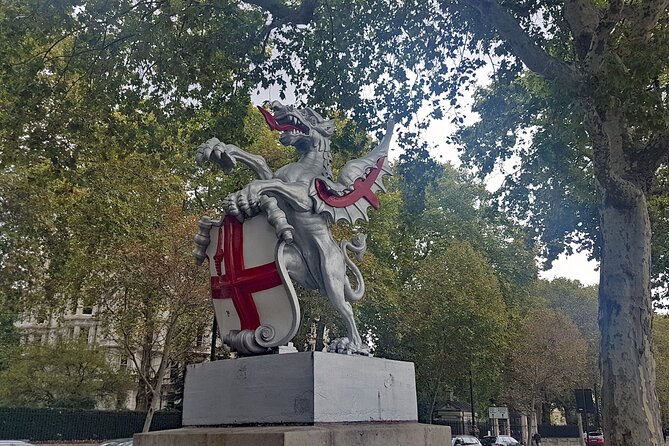
From there you move to Bank of England, described as a seat of power for what’s called the City of Dragons, sitting on a forgotten river. This is a clever way to link modern authority with older geography.
Even if you’re just interested in architecture and urban history, this stop works because it encourages a simple mental trick: look at the present, then ask what had to be true underneath it. In London, that question often leads straight into water, trade, and the movement of people and ideas.
This stop is brief (around 5 minutes), so it’s more of a framing moment than a long lecture.
St Mary Le Bow: Bow Bells and sidelined symbolism
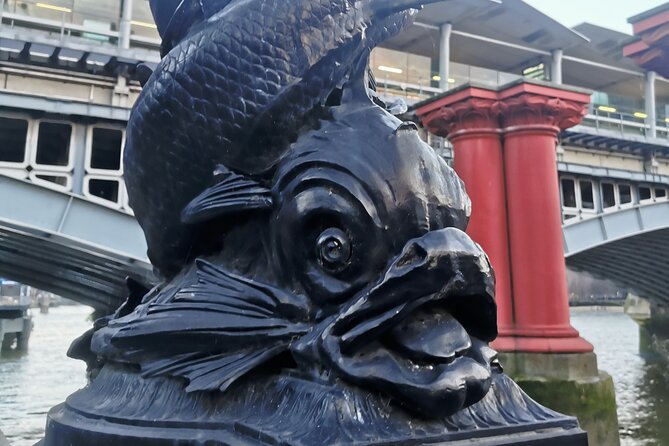
At St Mary Le Bow Church, you’ll explore the church’s sidelined symbolisms connected with Bow Bells. Church iconography can be overwhelming if you don’t know what you’re looking for. Here, the guide helps you see that the meaning is often in the details.
I like this stop because it’s less about grand cathedral spectacle and more about the “small symbols that keep showing up.” That’s where myth and meaning start to feel connected, not random.
Cheapside’s oldest tree: remembering what’s gone
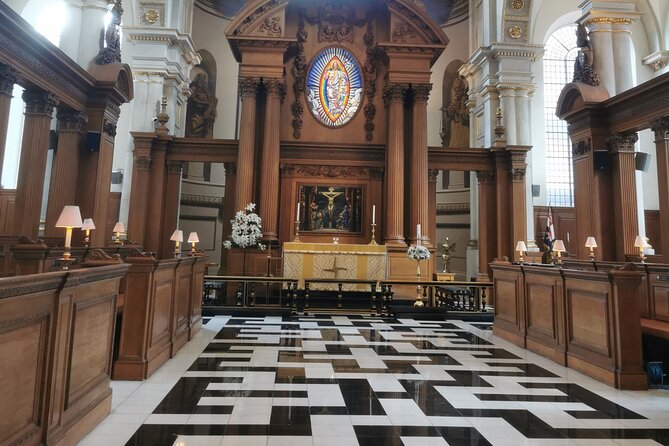
In Cheapside, the focus shifts to the oldest tree in the City of London and what it represents—especially a reminder of trees that are now lost. That’s a strong choice for this tour because it expands the definition of symbolism.
Dragons are often treated like purely medieval fantasy. This stop brings it back to something grounded: city life changes, but traces stay. The guide uses the tree as a symbol of memory and absence, which fits the theme of forgotten rivers and hidden sites.
St Paul’s Cathedral: phoenix symbolism and ceremony through time
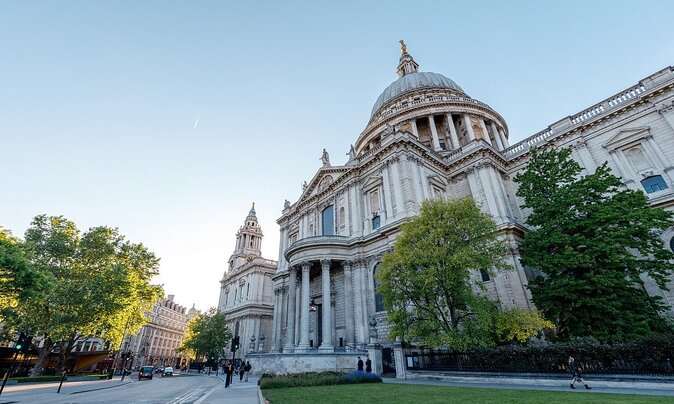
At St Paul’s Cathedral, the tour frames the building as a place of ceremony since time immemorial and points to its phoenix symbolism. Even if you’ve seen St Paul’s from the outside many times, this stop pushes you to look for how a symbol communicates ideas of renewal and endurance.
This is one of the longer segments (around 10 minutes), which gives you enough time to slow down and actually look. The guide’s interpretation is what makes it useful, not just the landmark name.
St Martin-within-Ludgate: ancient enigmas in a working city church
Next is Church of St. Martin-within-Ludgate, where you’re promised a church with long history and even more ancient enigmas. This stop leans into the idea that a city church can function like an archive: signs, symbols, and even layout choices can hint at older stories.
It’s also around 20 minutes, so it’s a chance to settle into slower attention. If you’re the type who likes asking why something looks the way it does, this is a good moment in the route.
Ludgate Circus: lost rivers and the name-making king idea
At Ludgate Circus, the tour returns to the theme of lost rivers under London and connects it to the king who gave London its name. This is where the guide’s storytelling matters, because you’re moving between geography, legend, and identity.
The stop is short (around 5 minutes), but it’s a helpful link between earlier water talk and the next set of churches.
St Bride’s Church: a pagan well history
In St Bride’s Church, you’ll hear about pagan history and a well connected with it. I like this stop because it highlights a pattern: religious sites and older folk practices often overlap. Whether you treat it as literal history or symbolic inheritance, it shows how communities carried belief forward.
This is another 20-minute stop, giving you time to absorb what the guide points out instead of rushing to the next photo spot.
St Dunstan In The West: medieval symbolism you can’t unsee
At St Dunstan In The West, you’ll get a short but focused visit to a medieval church with ancient symbolism. This is the kind of stop that makes a walking tour feel worth it. If you’ve ever stared at a church exterior and wondered what the carvings or shapes mean, this is where you get a grounded explanation.
It’s brief (around 5 minutes), but the guide’s goal here is to give you a key that helps the next church make sense too.
Temple Church: Templar roots and esoteric wisdom
The tour then heads to Temple Church, described as built by the Knights of the Templar. It’s modeled on the Church of the Holy Sepulchre, and you’re told it reveals esoteric wisdom.
This stop is one of the big “switches” in tone. You go from smaller symbol spotting to a place where architecture itself is treated like coded history. The Templar connection also makes the dragon theme feel less like random legend and more like a consistent thread across European myth and medieval Christian-adjacent symbols.
Time here is around 20 minutes, and it’s a natural place to slow down and let the stories land.
One practical heads-up: access can depend on what’s open on the day. There’s a note in the tour experience record that at least once, Temple Church wasn’t open to visitors, and on holidays some stops may be limited. So don’t plan on every building being at full capacity.
Temple Bar Memorial: protector dragons and older myth echoes
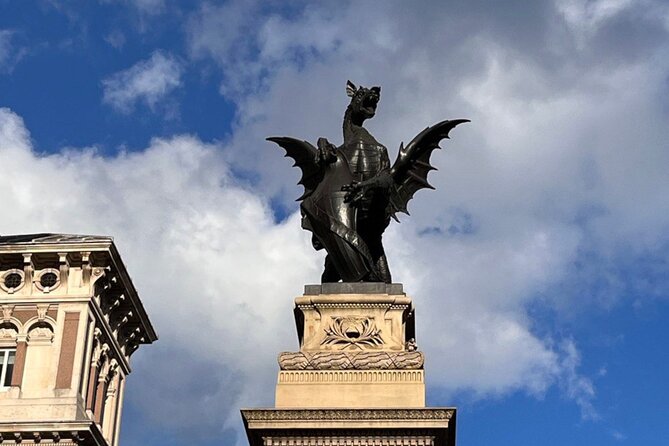
To finish, you reach the Temple Bar Memorial, described as the fiercest protector dragon of the City of London. The mythology connected to it echoes older sources like Beowulf, Tiamat, and St George.
This ending works well because it ties the whole walk together. You’ve been looking at symbols, water, churches, and Roman mystery cults. Now you see a single monument that sums up the tour’s approach: myth made visible in a real urban setting.
The stop is around 10 minutes, enough time to read the story and compare it to what you noticed earlier in the walk.
What makes the guide style matter on this tour
This experience tends to shine when the guide can connect dots. In this case, the guide (often Arjun in the experience record) is praised for being engaging and for continuing to research, not just repeating a script.
You’ll also notice the guide adapts to different group styles. When people ask questions, the tour doesn’t shut down. It gives you room, including for younger participants who want to understand the symbols in plain language. That’s a real value point if you’re traveling with family or a group that doesn’t all think the same way.
The small group size also helps you keep your attention. If one stop is interesting, you can ask follow-up questions without feeling like you’re holding up a train.
Price and value: why $29.48 can work well here
At about $29.48 per person for 2 to 3 hours, this is priced like a mid-range city walk. What makes it feel like good value is the combination of: a guided interpretation of multiple sites, a planned route through places you might not choose on your own, and the promise of a PDF you can use afterward.
Another value lever: many stops are described as admission ticket free in the tour overview. That means your money goes mostly into the guide, the explanations, and the route planning, not into paid-entry museums.
If you like wandering in London but you also want a strong “why this place matters” explanation, this price point can make sense quickly.
Walking comfort and who this tour suits best
You should wear comfortable walking shoes. The duration is short, but the format is built around frequent short stops across central City of London streets.
This tour is a strong match for:
- people who like folklore, mythology, and symbol reading
- travelers who want a different angle on London beyond the standard highlights
- families with teens who enjoy stories and can handle a lot of looking and listening
It’s also a good option if you want “quiet curiosity” rather than party-energy sightseeing. The tone comes through as thoughtful, with a mix of historical framing and spiritual/interpretive storytelling.
When to be cautious: closures, especially on holidays
The main drawback to plan around is access and opening hours. Some sites may be closed on certain days, and the experience record includes examples where places weren’t open, leading to more photo-based explanations or substituted time elsewhere.
If you’re traveling around a major holiday (like a bank holiday), you should treat church access as flexible. The guide can still share the symbolism through images and spend extra time at other points, but you might not get the same level of on-site access you expected.
This isn’t a reason to skip the tour. It’s just a reason to stay mentally flexible and bring patience.
Should you book this London Mystical and Dragons tour?
Book it if you want London through a symbol-first lens. This is the kind of walk that can change how you see familiar buildings once the guide teaches you what to look for. The mix of Roman Mithras themes, church iconography, city-myth storytelling, and dragon protector lore makes it more than a themed gimmick.
Skip it (or at least manage expectations) if you need guaranteed inside access to every church on the route. Also, if you only want broad, mainstream history and don’t care about myth and symbolism, you may find the interpretive side takes more space than you expect.
If you’re open to a walk that links geography, belief, and legend, this one is a solid choice for a single afternoon in the City of London.
FAQ
How long is the London Mystical and Dragons walking tour?
It runs for about 2 to 3 hours.
Where does the tour start and what time does it begin?
The meeting point is 113 Cannon St, London EC4N 5AW, and the start time is 1:30 pm.
How much does the tour cost?
The price is $29.48 per person.
How many people are in the group?
The tour is limited to a maximum of 8 travelers.
What language is the tour offered in?
It’s offered in English.
Do I get a ticket or something on my phone?
You get a mobile ticket.
Do I get a PDF after the tour?
Yes. You take home a PDF of the locations you saw on the tour.
Are the stops admission ticket free?
The tour overview lists admission tickets as free for the stops shown.
What happens if the weather is bad?
The tour requires good weather. If it’s canceled due to poor weather, you’ll be offered a different date or a full refund.
Is there free cancellation?
Yes, you can cancel up to 24 hours in advance for a full refund.