REVIEW · LONDON
Charles Dickens Private Walking Tour
Book on Viator →Operated by Ye Olde England Tours · Bookable on Viator
London has a way of finding your reading habits.
This private Charles Dickens walking tour is built for people who like stories with real addresses, from prisons to pickpocket-haunted corners. I love the personal pace (you’re with just your group and a professional guide), and I also love how the tour points at specific details that connect Dickens’ novels to what you can still see today. One thing to consider: it’s mostly walking, with short stops, so you’ll want solid shoes and a willingness to cover city ground.
If you’re a Dickens fan, this is the kind of walk that makes the characters feel less fictional.
In feedback I saw a clear theme: guides like Kevin and Stephen Liddell focus on small, meaningful connections, and they’re happy to adjust for a rest, a snack break, or a quick detour when you want it. The main drawback is practical: some famous sites along the way are only passed by or viewed from the outside, and the Charles Dickens Museum entrance is not included (the museum also isn’t open Mondays and Tuesdays).
In This Review
- Key reasons this Dickens tour feels worth it
- A Dickens Walk That Actually Changes How You See London
- From St George the Martyr to Marshalsea: The Debt-Punishment World That Shaped Dickens
- Red Cross Cottages and London Bridge: Pretty Gardens, Harsh Streets
- Borough Market: Poverty, Pickpockets, and the Streets Behind Oliver Twist
- Globe Theatre, Old Bailey, Temple Church: Courts and Drama in the Same Block
- Fleet Street, Old Curiosity Shop, and Lincoln’s Inn Fields: Newspapers, Debt, and Bleak House Streets
- High Holborn and Dr. Johnson’s House: Tiny Alleys With Big Scene Energy
- Bloomsbury and the Charles Dickens Museum Finish: From Past Streets to Present Pages
- Price and Value: What $247.15 Buys in a Private Dickens Tour
- Should You Book This Dickens Private Walk?
- FAQ
- How long is the Charles Dickens Private Walking Tour?
- What time does the tour start?
- Where does the tour begin?
- Where does the tour end?
- Is hotel pickup included?
- Is the tour private?
- Is the tour in English?
- Is Charles Dickens Museum entry included?
- Is the museum open every day?
- Are there any site access restrictions during the tour?
- Does this tour include tickets to some attractions?
Key reasons this Dickens tour feels worth it
- Private, flexible format for a more personal London experience
- Story-linked stops in Little Dorrit and Oliver Twist territory
- Admission help built in at several key locations
- Guides who tell the details with energy and humor (Kevin, Stephen Liddell)
- An ending that fits the fandom at the Charles Dickens Museum front door
A Dickens Walk That Actually Changes How You See London
This tour works because it’s not trying to cram every Dickens reference into a slideshow. You move on foot, slow down at the places that mattered, and get context that turns street corners into plot points. London can be loud and crowded, but a private walk like this lets the city feel human again.
It also helps that you’re not stuck with a rigid group rhythm. Your guide can answer questions as you go and adjust the pace if you need a breather. With a typical stop-and-look structure spread over about three hours, it’s a good length for a first Dickens-focused outing without burning your whole day.
You can also read our reviews of more walking tours in London



From St George the Martyr to Marshalsea: The Debt-Punishment World That Shaped Dickens
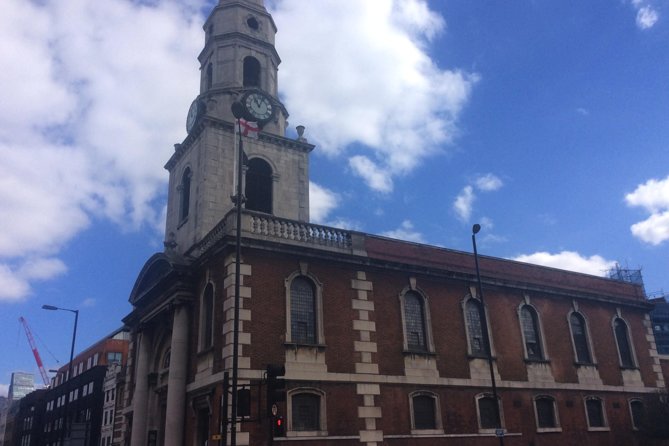
You start near Borough High Street, then head to St George the Martyr, a church tied to the world of Little Dorrit. One of the most striking parts of this stop is the focus on where the Dickens family were imprisoned, and how that experience echoes into the novels. You’re not just looking at stonework; you’re learning how fear and confinement became story material.
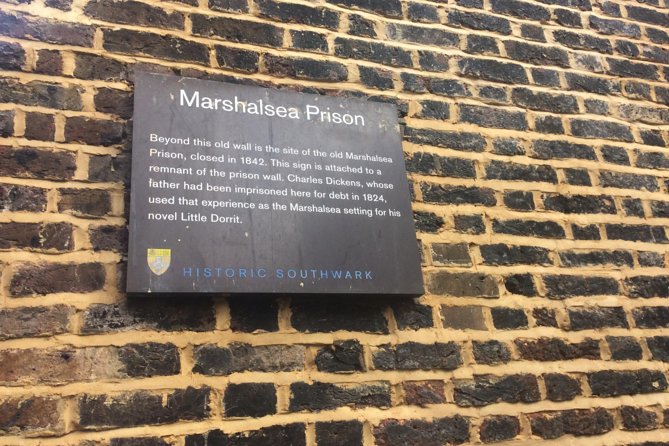
Then you go to Marshalsea Prison South Wall, connected to the old debtors’ prison system. This is a short stop, but it’s heavy with meaning because Dickens lived close enough to the problem that it became personal. Even if you only know a few lines from his books, you’ll feel the grim logic of why people feared debt courts and jails.
Practical note: both these stops are short, so bring your attention for the guide’s explanation. This is the “set the emotional stakes” part of the walk.
Red Cross Cottages and London Bridge: Pretty Gardens, Harsh Streets
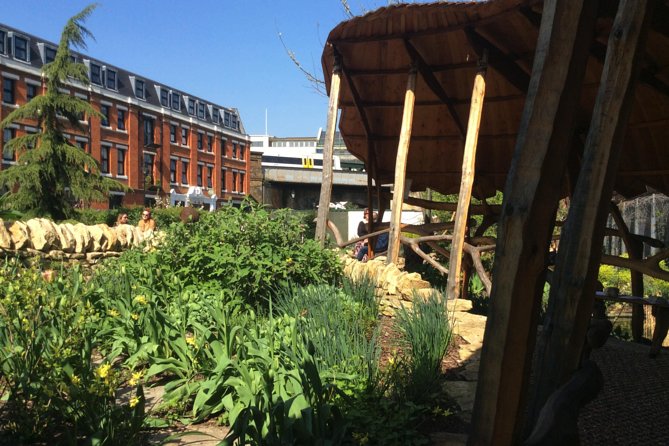
After the prison theme, the tour shifts in a smart way. You’ll reach Red Cross Cottages & Garden, a largely unvisited garden created by a contemporary of Charles Dickens who was also a major social reformer. That pairing matters: you see beauty linked to activism, not beauty as a pause between darker scenes.
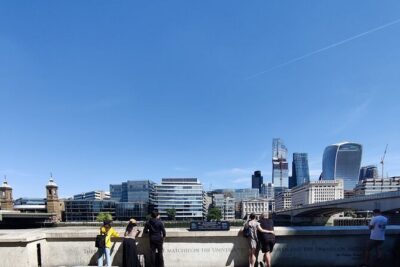
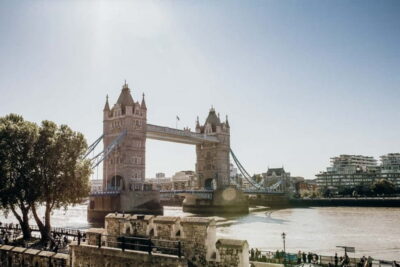
From there you head to London Bridge and stand at Nancy’s Steps, where poor Nancy meets her end in the story world. Even if you don’t carry every Oliver Twist beat in your head, your guide will anchor you in the exact moment and surroundings that inspired the drama. It’s brief, but it lands.
Two tips for this stretch:
- Look up as well as ahead—Victorian London details can be easy to miss at walking speed.
- If you want photos, hold them for the steps and garden entrances. Those are the most “frame-able” moments.
Borough Market: Poverty, Pickpockets, and the Streets Behind Oliver Twist
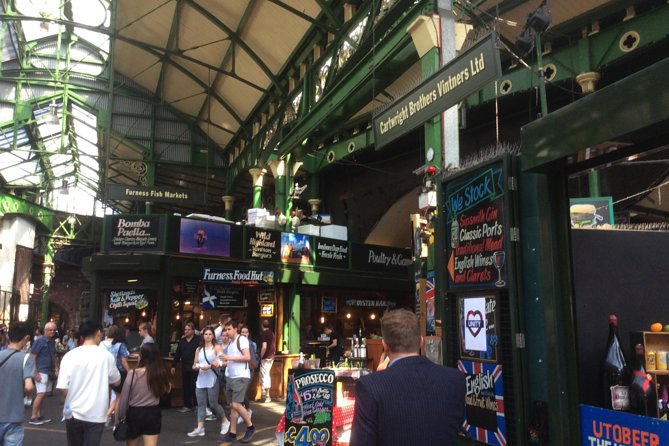
Next comes Borough Market, and the tour uses it like a living prop for Dickens’ London. You visit locations tied to poverty that inspired his writing, including the places where pickpockets operated in Oliver Twist and beyond. This is one of the stops where the tour feels like more than a history lecture.
The value here is that the guide connects markets to daily risk. A food market isn’t automatically “gloomy,” but in Dickens’ London, crowded commerce created opportunity for the desperate and for the criminal. You start seeing the city as a network of pressure points instead of postcard landmarks.
If you like to snack while you walk, this is the moment. Even if you don’t stop for food immediately, Borough is a natural place to fuel up because the day keeps moving.
Globe Theatre, Old Bailey, Temple Church: Courts and Drama in the Same Block
The tour passes Shakespeare’s Globe Theatre, with a look at history and nearby locations. It’s not an entry stop, but it’s a useful contrast: Dickens’ world and Shakespeare’s world both relied on public performance, just in different forms.
Then you get Old Bailey, described as the oldest court in the western world in effect, positioned near the former Newgate prison and tied to public executions in Victorian life and fiction. Your guide’s job here is to make the legal reality match the literary theme. You’re walking through the idea of justice as spectacle.
After that, you visit Temple Church and the legal districts where characters like Pip would fit in the story atmosphere. One practical heads-up: on weekends, access to this area can be closed to the public sometimes. If that happens, don’t assume the tour stops being interesting—your guide can still point out the key story geography from where you are.
You can also read our reviews of more private tours in London






Fleet Street, Old Curiosity Shop, and Lincoln’s Inn Fields: Newspapers, Debt, and Bleak House Streets
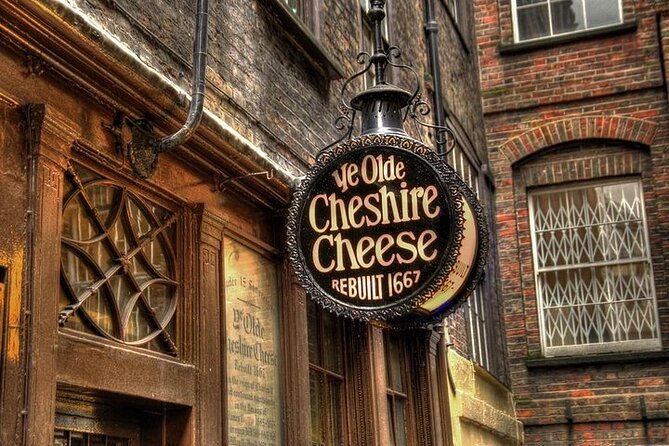
The walk keeps feeding the literary connections. You pass Fleet Street, known as the famous newspaper street, and you also learn how its alleys and taverns show up in Dickens’ writing and in his life. This is where you start to understand Dickens as a working observer—someone who watched the city’s daily rhythms and turned them into pages.
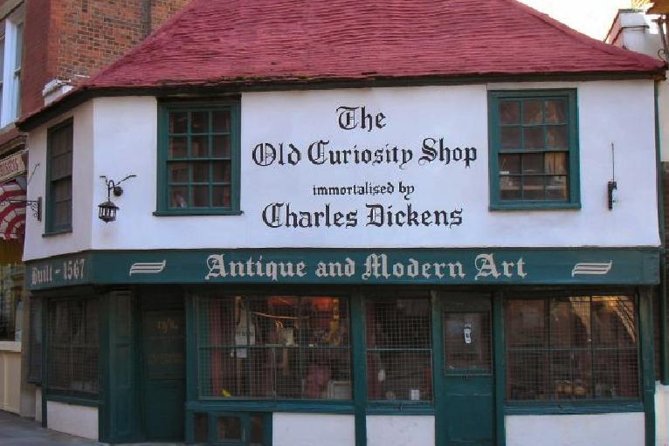
You also go to the Old Curiosity Shop, focusing on the outside of the actual shop and the immediate area tied to severe poverty. This stop is short, but it’s one of those “you’re standing in the exact corridor of the book” moments that fans tend to love.
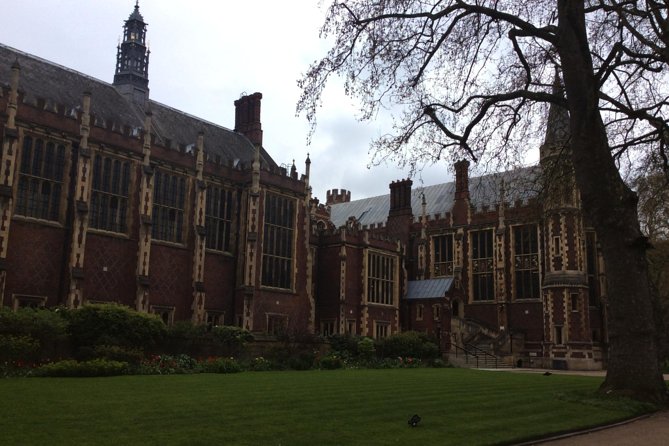
Then comes Lincoln’s Inn Fields, a larger area stop tied to Dickensian history, including connections to Bleak House, plus the area’s link to the biographer of Charles Dickens. Here’s why this matters for you: Dickens’ world wasn’t only the novels. It included the people who wrote about him and the legal and intellectual networks around him.
High Holborn and Dr. Johnson’s House: Tiny Alleys With Big Scene Energy
You pass Dr. Johnson’s House as part of a larger run of literary stops. It’s brief and viewed without an admission angle, but it adds another author-layer to the day, reminding you that London’s writing culture wasn’t limited to Dickens.
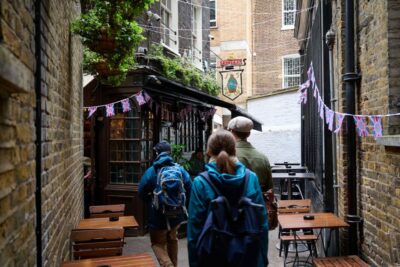
Then you hit High Holborn, and specifically the alleyway where Krook famously combusts in front of his shop. This is one of the tour’s smartest “reader moments.” It’s quick, but you leave with a clear mental map of where the dramatic scene would feel plausible in real streets—not just in imagination.
If you enjoy spotting story logic on the ground, don’t rush this segment. The alley explanation is the point.
Bloomsbury and the Charles Dickens Museum Finish: From Past Streets to Present Pages
As you move into Bloomsbury, the tour shifts from grimy streets to the kind of London connected to Dickens’ later life. You pass through parts of Bloomsbury and see where Dickens lived after he became successful, plus the surrounding “literary hotspot” vibe.
The day ends at the Charles Dickens Museum, at the front door of his preserved house. The entrance isn’t included, but the timing is smart: you finish with your curiosity already switched on. And if the museum is open for you, it’s an easy next step after the walking context you just earned.
Two practical notes:
- The museum isn’t open on Monday and Tuesday, so plan your visit on the other days.
- Your guide will help you find a pub, cafe, or a nearby Tube station if the museum isn’t available.
If you’re the type who likes to pair the walk with a sit-down drink, save a little energy for the museum area. Even without going inside, the ending point feels like a reward for paying attention all day.
Price and Value: What $247.15 Buys in a Private Dickens Tour
At $247.15 per person for about three hours, this isn’t a budget activity. But it’s also not overpriced for what you’re getting—especially if you value a guide who can connect scenes to street-level reality.
Here’s where the value comes from:
- Private tour format: you’re not competing for attention in a big group.
- Hotel pickup in central London (so you start with less friction).
- Professional local guide: the quality shows in how tightly the explanations match the locations.
- Admission support at several stops: some locations include tickets, and others are free—so you’re not paying for every single stop yourself.
What’s not included matters too. You’ll cover your own London Underground transport if you need it, and Charles Dickens Museum entrance isn’t included. If you plan to pay museum admission on your own anyway, this still works as a strong “context builder” before you buy the ticket.
Should You Book This Dickens Private Walk?
Book it if you’re:
- A Dickens fan who wants more than quotes and poster stops
- The kind of traveler who likes alley-level details, prisons, courts, and the darker side of city life
- Willing to do a steady walk for a few hours and then possibly finish with the museum
Skip or rethink it if you:
- Want a mostly seated tour with frequent long breaks
- Expect every famous stop to be entered with tickets (several are passed by or viewed from the outside)
- Are visiting on a Monday or Tuesday and strongly want to go inside the Charles Dickens Museum that day
For the right reader—someone who loves how literature is built from lived places—this tour is a very satisfying use of time in London. It’s personal, specific, and it leaves you with streets you’ll actually remember when you go back to the books.
FAQ
How long is the Charles Dickens Private Walking Tour?
It runs for about 3 hours.
What time does the tour start?
The listed start time is 9:30 am.
Where does the tour begin?
You start at Borough High St, London SE1 1JX, UK.
Where does the tour end?
The tour ends at the Charles Dickens Museum, 48-49 Doughty St, London WC1N 2LX, UK.
Is hotel pickup included?
Yes. Hotel pickup is included for central London hotels, or you can meet at/near Borough High Street Tube Station.
Is the tour private?
Yes. It’s a private tour for just your group.
Is the tour in English?
Yes, it’s offered in English.
Is Charles Dickens Museum entry included?
No. Entrance to the museum is not included, though the tour finishes at the front door.
Is the museum open every day?
No. The museum is currently not open on Mondays and Tuesdays.
Are there any site access restrictions during the tour?
Temple Church area access can be closed to the public sometimes on weekends.
Does this tour include tickets to some attractions?
Some stops include admission tickets, while others are free or are viewed from outside/pass-by. Tube tickets and museum entrance are not included.