REVIEW · LONDON
London: David Bowie Walking Tour
Book on GetYourGuide →Operated by Brit Music Tours · Bookable on GetYourGuide
Bowie fans, this one feels personal. This London David Bowie walking tour traces his story from childhood in Brixton to the big Soho years, with stop-by-stop clues you’d miss on your own. You also get the kind of context that turns song lyrics into real places.
What I especially like is the balance: you’re not only hearing facts, you’re seeing the city moments. I like the hands-on photo stops, including the spot tied to the Rise and Fall of Ziggy Stardust and the Spiders from Mars cover and the telephone box seen on the back cover.
One thing to consider: the route covers ground and includes a short Tube hop, so it’s not a good fit if you need mobility support. Wear good shoes and expect busy sidewalks at times.
In This Review
- Key things you’ll notice on this David Bowie tour
- Starting in Brixton: where Bowie’s early life is mapped
- Tube to Soho: the teenage Bowie years, step by step
- Carnaby Street fashion stops: why style is part of the music story
- Album-cover photo moments: Ziggy’s locations and a famous telephone box
- Big headlines and the campervan rumor: the story behind the myth
- The fan mourning stop: thousands of people in one place
- What the price and time feel like in real life
- Guide quality: personable, attentive, and fun with Bowie details
- Who this London David Bowie walking tour is best for
- Should you book it? My quick decision guide
- FAQ
- Where does the London David Bowie walking tour start?
- How long is the tour?
- How much does it cost?
- Is the tour in English?
- Does the route include public transit?
- What should I wear and bring?
- Is the tour suitable for mobility impairments?
- What photo opportunities are included?
- What topics does the guide cover?
Key things you’ll notice on this David Bowie tour
- Brixton to Soho route: you move with the same “rise” energy Bowie fans love
- Inconspicuous studio locations: easy to overlook, perfect for the dedicated fan
- The I’m gay headline moment: a major news story tied to a specific place
- Carnaby Street fashion focus: Bowie’s style gets treated like part of the timeline
- Album-cover photo locations: stand where the imagery comes from, not just hear about it
- Guides with real warmth: examples include Jess, Tim, Jenny, Catherine, and Rob
Starting in Brixton: where Bowie’s early life is mapped
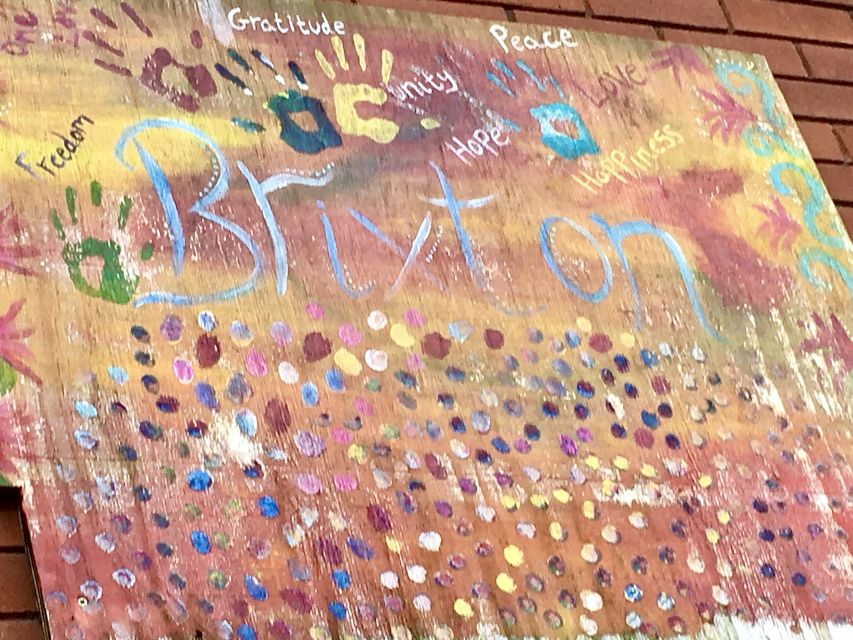
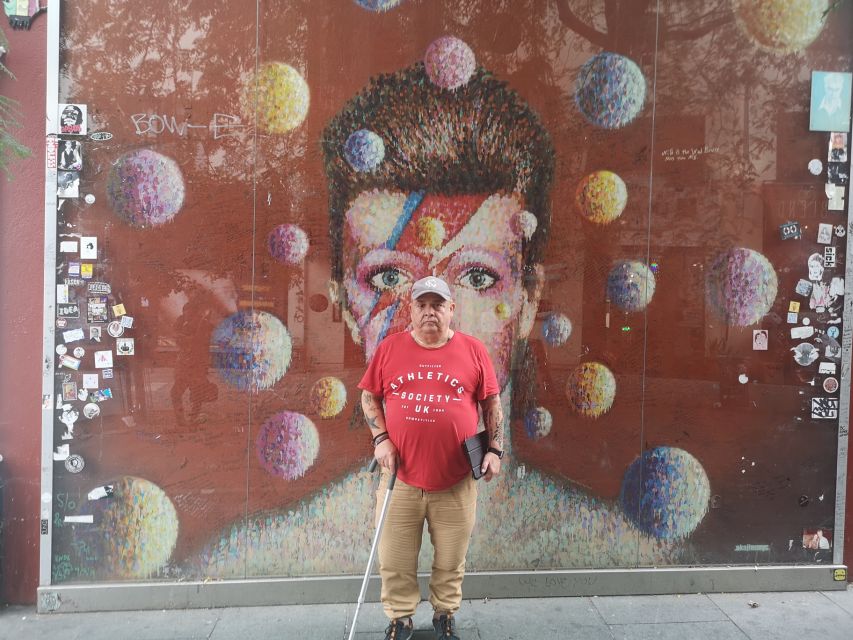
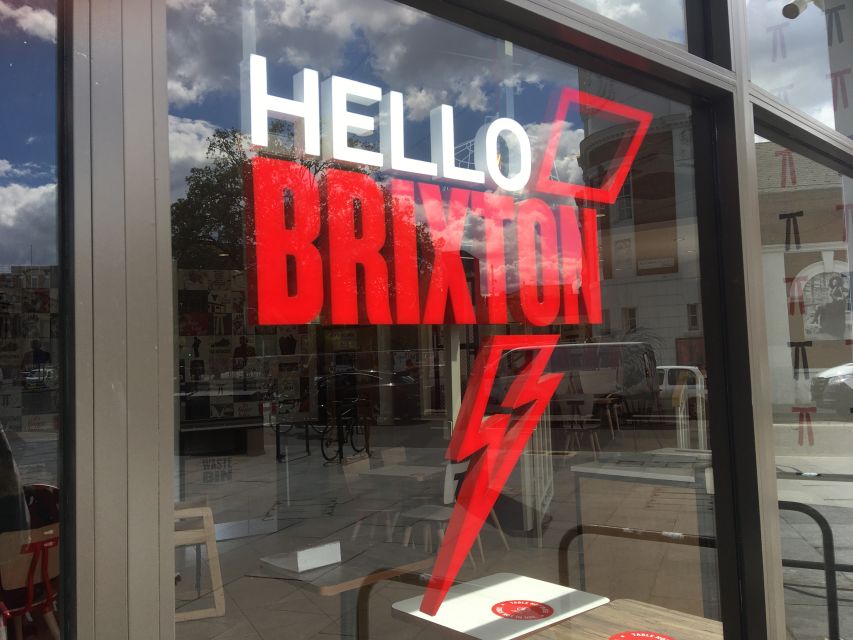
The tour begins in South London, at the David Bowie memorial in Tunstall Road, right opposite Brixton Underground Station. It’s a smart start because it sets the mood fast: this isn’t a museum lecture, it’s a walk through a city that kept changing around him.
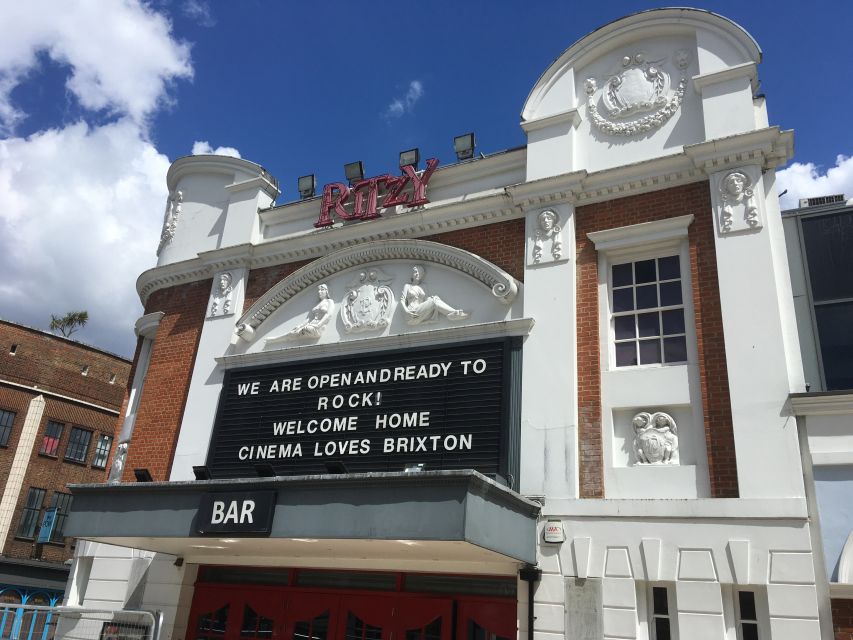
Brixton is more than a name on a map here. You’ll pass through a neighborhood known for street art and quirky local life, and you’ll hear why it matters to Bowie’s origin story. You’ll also spot the sort of cultural references that make Brixton feel linked to him, including the Bowie presence on the £10 note.
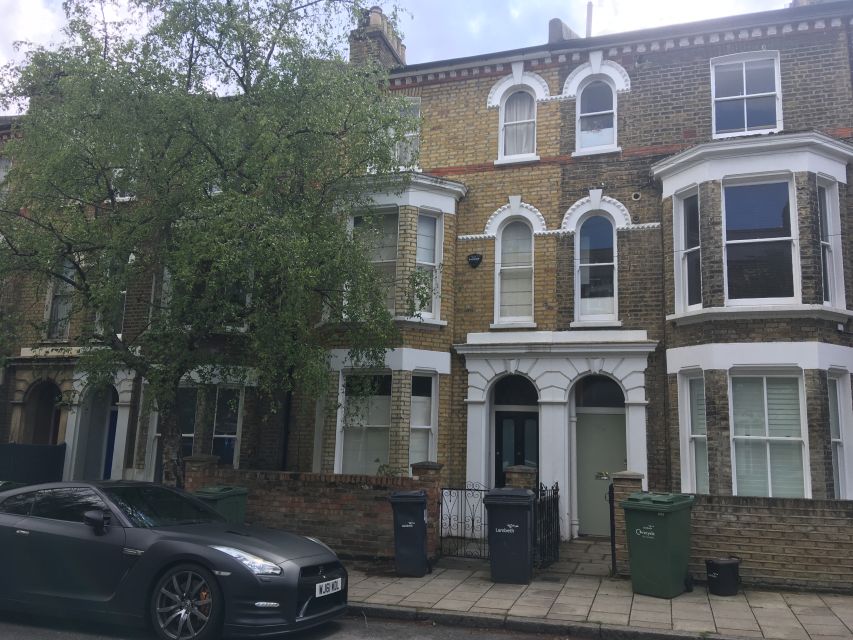
From there, the guide points out early anchors: the house where he was born and his first school. That grounding is one of the best parts of the experience, especially if you grew up hearing songs without knowing how local and ordinary the beginnings could be.
Practical tip: give yourself an extra few minutes to get set at the memorial. Meeting right by the station exit means you’ll start quickly, and you’ll want to be lined up and ready to walk.
You can also read our reviews of more walking tours in London



Tube to Soho: the teenage Bowie years, step by step
After Brixton, you take a short ride on the Tube to Soho. The change of scenery is part of the story: Soho is where Bowie’s ambition started colliding with the music industry’s machine.
Once you’re there, you’ll hear about teenage Bowie packing boxes for music publishers. It’s a small detail, but it lands because it explains the workmanlike side of his drive. You’re not just hearing about glamour. You’re hearing about effort, repetition, and showing up.
As you walk, you’ll pass music venues where he performed. You’ll also stop near pubs he used to frequent, which helps the whole thing feel lived-in rather than staged. The guide keeps connecting the places to songs and character changes—so you’re always asking, “How did this turn into that?”
If you’re the kind of fan who likes to connect the dots, Soho is where this tour really starts clicking. It turns London into a timeline you can physically follow.
Carnaby Street fashion stops: why style is part of the music story
Soho leads naturally into the fashion pocket of Carnaby Street, and that’s where the tour leans into one of Bowie’s strongest themes: style as storytelling. As you walk, you’ll hear about distinctive outfits and how they showed up during different phases of his life.
Carnaby is a good choice for this. It’s a street associated with look, identity, and reinvention—exactly what Bowie mastered. The guide uses these stops to remind you that Bowie didn’t just write songs. He shaped characters, then dressed them into existence.
You’ll also get a sense of why the tour keeps mentioning photos, album covers, and visual references. With Bowie, the visual language matters as much as the melody. By the time you reach this stretch, the tour’s pace feels intentional: you’re moving from early life, to workdays, to the public face.
Practical tip: if you want the best photos on Carnaby Street, position yourself early. These spots are walk-through areas, and the tour keeps moving, so waiting around too long can throw off the group flow.
Album-cover photo moments: Ziggy’s locations and a famous telephone box
One of the highlights is the chance to recreate imagery tied to The Rise and Fall of Ziggy Stardust and the Spiders from Mars. The guide takes you to a spot where you can stand in the same place used for the cover.
It sounds simple, but it works. When you line up the background with the album image in your phone, the connection becomes instant. The tour doesn’t treat the album as a poster. It treats it as London made visible.
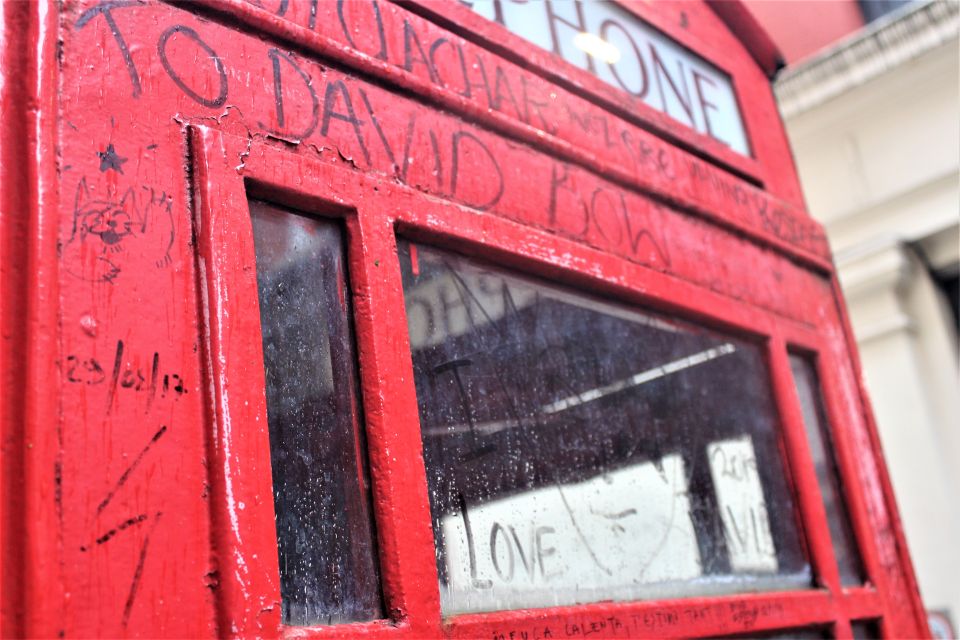
You’ll also get pointed to the telephone box associated with the back cover. Again, the point isn’t just the object—it’s the way the city became part of Bowie’s storytelling. You see how the visuals were assembled from specific streets, not vague “London vibes.”
If you love photo ops, this is the part you’ll want to enjoy slowly even while the group moves. Grab your shot, check angles, then refocus on the guide’s next stop so you don’t miss the context.
Big headlines and the campervan rumor: the story behind the myth

This tour doesn’t only play the “cool locations” card. It also tackles major headline moments tied to Bowie’s public life, including where he announced I’m gay and became the subject of news attention. The guide frames it as a real-world moment, not a distant fact.
Then comes a more legend-leaning detail: the tour mentions where Bowie allegedly lived in a campervan. Since it’s framed as alleged, treat it like a piece of Bowie lore you’re being told through place. That’s part of the fun of this kind of tour—the boundary between documented history and fan-tracked stories is where conversation happens.
Either way, the effect is the same: it adds tension and texture to the timeline. You feel the shift from “young musician working odd jobs” to “global figure whose choices made headlines.”
This section is also a reminder why the tour works best for fans who like more than just lyrics. It’s about the person behind the persona—and the way real events fed the characters you later heard in songs.





The fan mourning stop: thousands of people in one place
Another striking highlight is the stop where thousands of fans congregated to mourn Bowie’s passing. This isn’t just trivia. It gives you the emotional context that sits under the music.
Even if you weren’t in London at that exact time, you’ll understand why a place mattered so much. Bowie’s death triggered a global reaction, but this stop anchors that grief in a specific corner of the city.
I like this part because it’s a quieter beat in the tour’s energy. After all the album-cover fun and fashion talk, the tour briefly returns to what Bowie meant to people—how large the bond became, and how physical that bond felt in the streets.
If you’re a newer fan, it helps you understand why older fans get emotional. If you’re a long-time fan, it’s the kind of stop that makes the walking tour feel more than just sightseeing.
What the price and time feel like in real life
The tour runs about 2.5 hours and costs around $22 per person. That’s a fair price for a guided, theme-driven walk that covers two distinct areas of London—Brixton and Soho—plus a short Tube segment.
Value-wise, you’re paying for two things: someone guiding you to places you’d probably miss, and someone connecting those places to Bowie’s timeline. Without a guide, the locations can look ordinary. With a guide, they snap into meaning.
The downside of short tours is you can’t linger everywhere. The group moves at a comfortable walking pace, and the timing works best if you’re okay with “see it, learn it, move on.” If you’re the type who wants to spend extra time inside cafés or at every photo spot for long stretches, you might feel a little rushed.
What to bring is simple: comfortable shoes and comfortable clothes. This is street-level London, and you’ll be on your feet enough that blisters would ruin the vibe.
Guide quality: personable, attentive, and fun with Bowie details
A big reason this tour earns strong ratings is the guide style. You’ll get a live guide in English, and the energy matters a lot on this route.
From different guide examples, you can see the pattern. Jess is described as personable, informative, and fun. Tim comes through as attentive to the group and excellent at delivering what you need to know. Catherine gets praised for clear, interesting explanations while handling busy streets. Jenny also stands out for making the tour enjoyable, not just factual. Rob is noted for strong engagement with people and a big command of the material.
That mix is exactly what you want for a Bowie walking tour. You’re dealing with a lot of eras—childhood, early work, stage persona, headline moments, and fan reaction. The best guides keep it organized without turning it into a worksheet.
If you’re worried about whether the tour is “too intense” for casual Bowie fans, focus on this: the guides are described as friendly, funny, and tuned to the group. That suggests the tour stays human.
Who this London David Bowie walking tour is best for
This tour is ideal if you’re a Bowie fan who likes locations and context. If you can name eras like Ziggy Stardust and you enjoy the character-driven side of Bowie, you’ll get a lot out of this.
It also works well as a shared experience. One of the tour’s strengths is that it combines nostalgia (album imagery and iconic moments) with real-place geography (Brixton and Soho). Even if your group member is less deep into Bowie trivia, the photo spots and headline stories still give them something tangible to enjoy.
On the flip side, it’s not made for people who need mobility support, since it isn’t suitable for mobility impairments. And if you only want a slow museum-style pace, this won’t be that. It’s walking London with a story guide attached.
Should you book it? My quick decision guide
If you want a practical, fan-friendly way to see Brixton and Soho while learning how Bowie’s life connects to specific streets, book this tour. For around a couple hours, it delivers multiple “how did he end up here?” moments without requiring you to do homework first.
I’d book it especially if:
- you’re visiting London for a short time and want a focused theme walk
- you love Bowie’s visual world (album covers, style, persona)
- you want a guide who keeps things lively and clear
Skip it if:
- you need mobility accommodations
- you hate being on the move
- you’re not interested in Bowie’s London story at all
In short: for Bowie fans who like real streets and real context, this is a strong buy.
FAQ
Where does the London David Bowie walking tour start?
Meet your guide 10 minutes early in front of the David Bowie memorial on Tunstall Road, directly opposite the exit of Brixton Underground Station.
How long is the tour?
The tour lasts about 2.5 hours.
How much does it cost?
It’s listed at $22 per person.
Is the tour in English?
Yes, the live guide leads the tour in English.
Does the route include public transit?
Yes. There’s a short trip on the Tube between Brixton and Soho.
What should I wear and bring?
Wear comfortable shoes and comfortable clothes, since you’ll be walking.
Is the tour suitable for mobility impairments?
No, it isn’t suitable for people with mobility impairments.
What photo opportunities are included?
You can take photos at a spot tied to the Rise and Fall of Ziggy Stardust and the Spiders from Mars album cover, and you’ll also see the telephone box from the back cover.
What topics does the guide cover?
Expect Bowie’s story from Brixton childhood through his Soho rise, classic songs and anecdotes, the I’m gay headline moment, the campervan rumor (described as alleged), and a stop tied to where fans mourned him.