REVIEW · LONDON
London: Jack the Ripper Walking Tour with an App
Book on GetYourGuide →Operated by Trippy Tour Guide · Bookable on GetYourGuide
A murder mystery, powered by your phone. This Jack the Ripper walking tour turns Whitechapel streets into a guided story with automatic audio as you go, plus directions to match what you’re looking at outside.
I like the way it strings together real-sounding stops, from market streets to named corners like Mitre Square and Henriques Street, with clear narration points you can follow without fuss. I also like that it’s flexible: you can start, stop, replay, or rewind anytime, so you set the pace.
One thing to consider: the experience depends on your smartphone. You’ll need Wi‑Fi to download the tour, and if your GPS reacts slowly you may feel uncertain for a moment about where you are.
In This Review
- Key Highlights to Know Before You Go
- Whitechapel on Autoplay: How the Trippy App Walk Feels in Real Life
- 3 Hours, One Story Arc: Walking the Route From Gunthorpe Street to White Hart Pub
- Quiet Streets to Brick Lane: Gunthorpe to Osborn to a Busy Slice of Whitechapel
- Frying Pan Pub to Market Streets: A Practical Way to Break Up the Spook
- Henriques Street, Saint James’s Passage, and Mitre Square: The Route’s Most Atmospheric Stretch
- The Workhouse, Millers Court, and the White Hart Finish: Ending With Named Sorrow
- Pub Stops and Phone Battery: When Autoplay Meets Real Street Life
- Languages, Auto-Translation, and GPS Lag: What Can Affect Your Experience
- Value for $12: Is This Self-Guided Ripper Walk Worth It?
- Who Should Book This Audio Walk, and Who Might Prefer Something Else
- Should You Book the London Jack the Ripper App Walking Tour?
- FAQ
- How long is the London Jack the Ripper walking tour?
- What is included in the price?
- Do I need to pay any entry fees during the tour?
- Do I need an in-person guide?
- What do I need to bring to use the tour?
- What languages are available for the narration?
Key Highlights to Know Before You Go
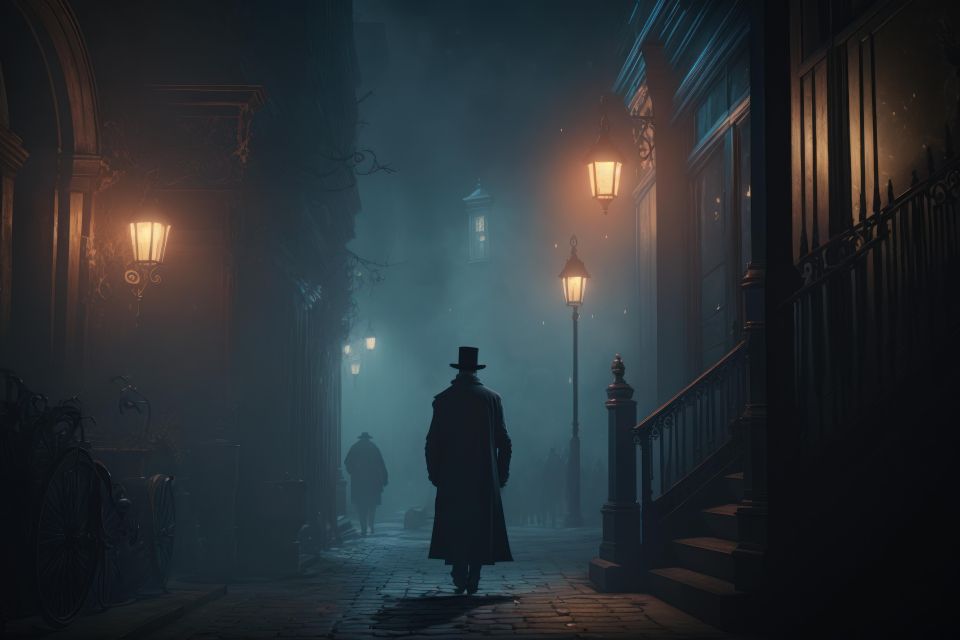
- Pub-centered route with stops that can help you take a breather and manage phone battery
- 40+ narration points across major places tied to the Ripper story
- Self-paced audio controls so you can replay sections you missed
- Tight street-to-street walking through Whitechapel and nearby streets, not just a few photo stops
- Multi-language tracks (English, German, French, Spanish, Chinese, Italian) to match your comfort level
Whitechapel on Autoplay: How the Trippy App Walk Feels in Real Life
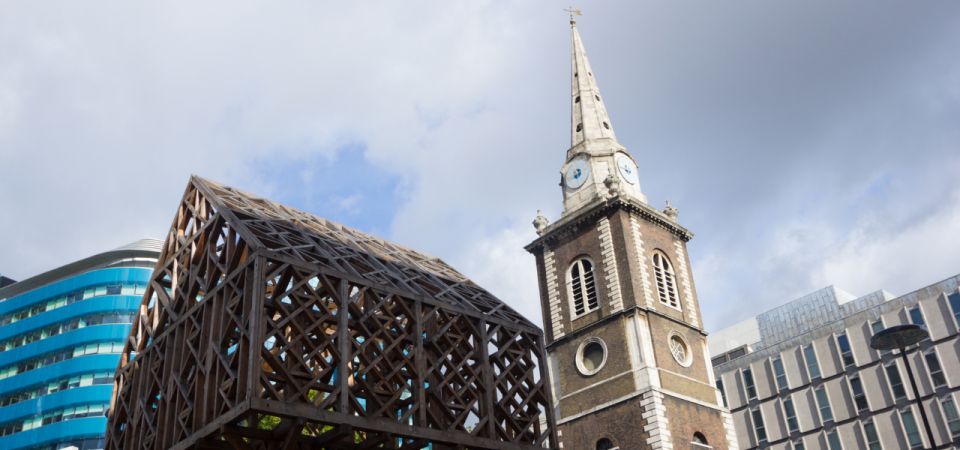
This tour is designed around one core idea: your phone is the guide. You install and download the Trippy Tour Guide app and then the story plays automatically as you walk the route. That means you’re not waiting on a group or listening over chatter. It’s more like a choose-your-own pace mystery walk where your attention is the main ticket.
The practical bonus is that the app gives you detailed directions along the way. As you move from street to street, you’re meant to hit the next narration point without guesswork. And if you want a do-over, you can replay or rewind audio at any time. That flexibility matters, especially on a walking tour where you might pause for a photo or stop to read a street sign.
Just keep two basics in mind. First, plan for your phone to be ready before you start. You’re told to bring a charged smartphone and to download the tour using Wi‑Fi. Second, because the audio triggers as you go, slow GPS can feel awkward if the phone takes a bit to catch up to where you are.
You can also read our reviews of more walking tours in London



3 Hours, One Story Arc: Walking the Route From Gunthorpe Street to White Hart Pub
The walk is set as a 3-hour route, so it’s long enough to feel like a real Whitechapel experience without becoming a full day. It’s also structured so you’re constantly switching scenes: quiet streets, busier thoroughfares, then stops near pubs and market areas. You’ll move through a map of the Ripper story rather than just one neighborhood corner.
It begins on Gunthorpe Street, described as a quiet road. That first stretch helps you get oriented before you hit the more crowded streets later. Next comes Flower and Dean Walk and Osborn Street, where the route focuses on older residential streets. The tour treats these blocks like a setup, with the narration pointing you toward what’s tied to the mystery.
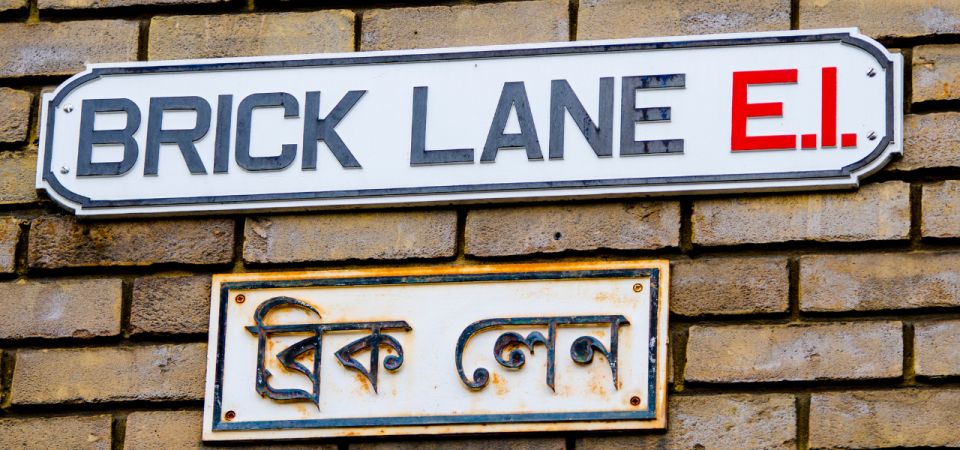
After that, you’re sent to Brick Lane, a busy street even in the story’s past setting. The contrast is the point. You get quiet-to-crowded rhythm as the route rolls forward, which makes the places you’re hearing about feel more grounded than if every stop were just a single dramatic viewpoint.
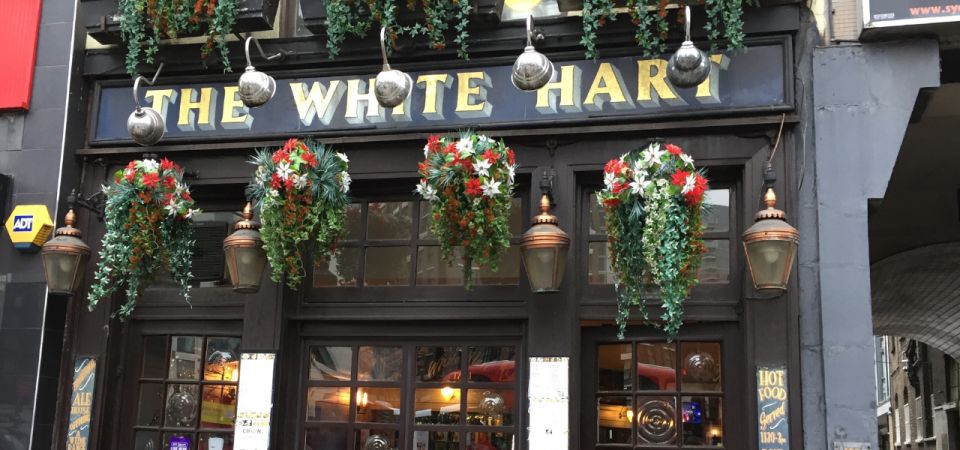
By the end, you finish at the White Hart Pub, framed as a spot full of secrets. The route closes in the pub zone because the story needs an atmosphere shift: you’re wrapping up in a place that feels designed for conversation and lingering, not rushing.
Quiet Streets to Brick Lane: Gunthorpe to Osborn to a Busy Slice of Whitechapel
I like routes that don’t start with the loudest street in town. Starting on Gunthorpe Street does that job. It gives you a moment to let the app guide your pace and get your audio flowing before you hit traffic noise and crowd energy.
Then you move to Flower and Dean Walk and Osborn Street, and the narration focuses on older houses that used to be there. Even if the buildings have changed, the tour’s approach is to treat the streets like evidence: you’re meant to look at the street pattern and imagine the era described by the audio.
Next, Brick Lane flips the mood again. The route description emphasizes it as busy even back then, so the tour leans on the contrast between everyday street life and the dark stories attached to certain corners. If you’re the type who likes your history tied to normal human movement, this part works well. You’re walking where people would have been walking.
Frying Pan Pub to Market Streets: A Practical Way to Break Up the Spook
One of the smartest things about this tour is how it uses pub stops as waypoints. The Frying Pan Pub is called out early as an important place in the mystery. Even if you’re not planning a long sit-down, these stops give your body a reset.
From there, the route heads to Old Mortuary Street and Durward Street. The narration treats these streets as places where spooky stories happened. That matters because it’s easy to lose a walking tour when you keep thinking only about the next address. By anchoring story points to named streets, the audio keeps you moving with purpose.
Then you hit a tighter cluster of institutional and building-focused stops: the Old Board School, the Working Lads Institute, and Wood’s Building entrance. These are the kind of places that feel rooted in daily life. They also give the audio a different texture than street corners alone. Instead of only imagining alleys and passages, you’re hearing about buildings that would have shaped community routines.
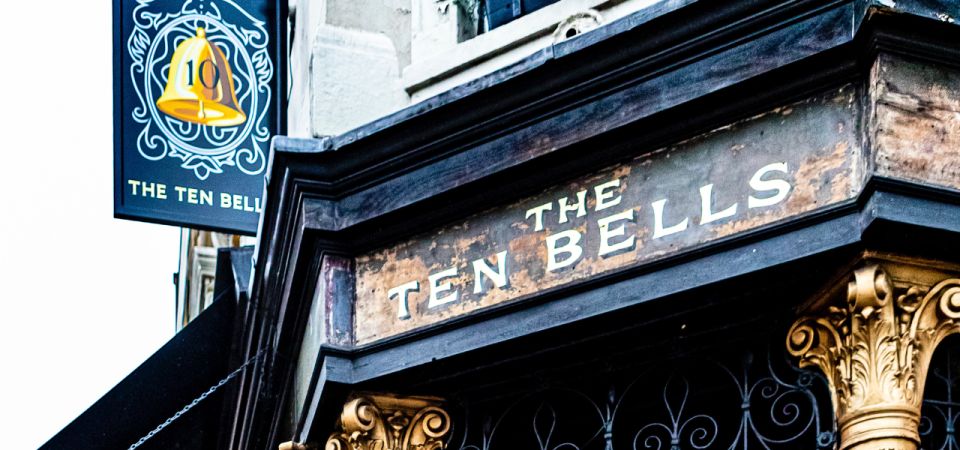
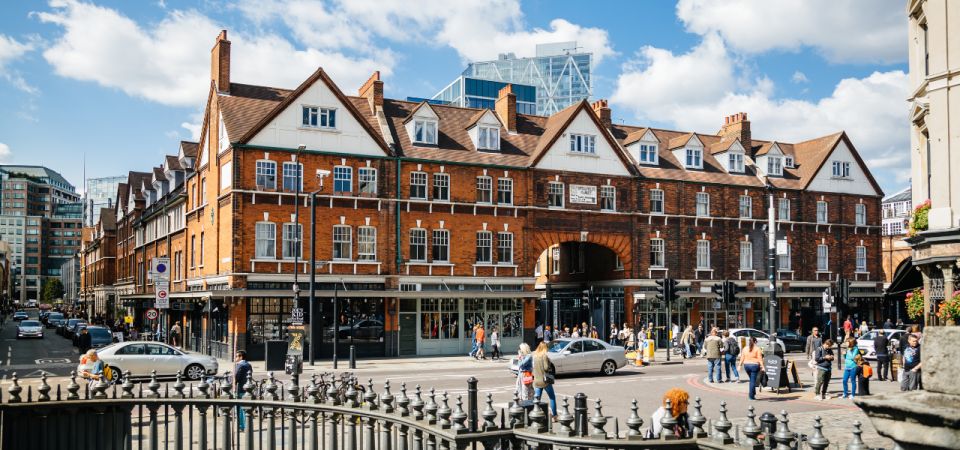
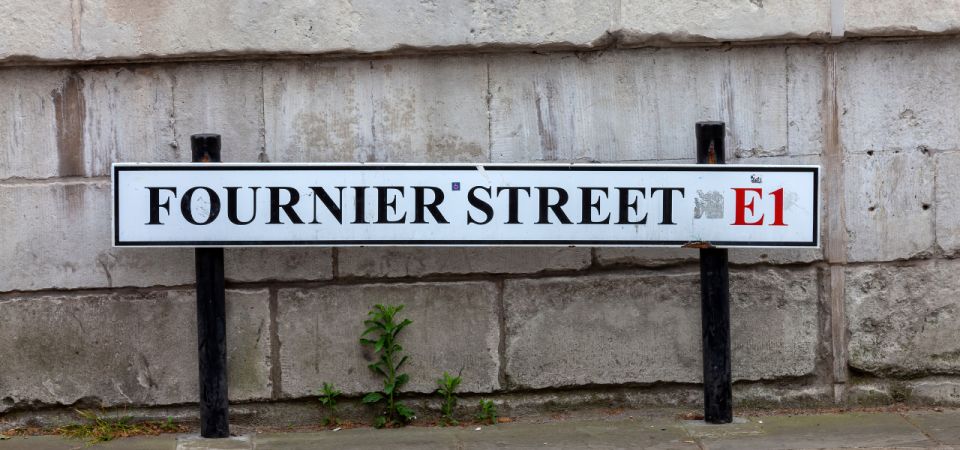
A later stop zooms you to a specific address: 29 Hanbury Street. Then the route threads through Wilkes Street and Fournier Street to Ten Bells Spitalfields Pub and the Spitalfields Market area. That sequence matters for two reasons. You’re moving from street to pub, then into a market context where people would have been shopping and passing through. It makes the story feel less like a list of crimes and more like a map of an everyday neighborhood.
Henriques Street, Saint James’s Passage, and Mitre Square: The Route’s Most Atmospheric Stretch
The most emotionally pointed parts of the walk are tied to specific named locations. Henriques Street is one of them, with the narration spotlighting Catherine Eddowes. When a tour connects a person directly to a named street, you tend to slow down. I’ve found that kind of framing works better than vague dark-history talk because it forces attention to a particular place.
Then you walk through Saint James’s Passage, another locale highlighted in the story. The wording here is about eerie atmosphere, and that fits how narrow or tucked-in passages can change your sense of distance while walking. You’re physically experiencing a street geometry that feels right for spooky tales.
After that, the tour brings you to Mitre Square, described as the site of a notorious Jack the Ripper murder. This stop is the kind where you’ll likely pause and look around longer, just because a square gives you a wider field of view. If you’re the sort of person who likes connecting story to visible space, Mitre Square is the moment where your brain has enough room to do it.
You can also read our reviews of more tours and experiences in London






The Workhouse, Millers Court, and the White Hart Finish: Ending With Named Sorrow
After the intense street-and-passage sequence, the walk shifts to places tied to social systems and then to a second major named person. The Workhouse is called out as an old poorhouse. That’s a meaningful change of pace in the storytelling because it moves from street-level atmosphere into an institution that implies hardship.
Then you reach 13 Millers Court, where the tour places something sad connected to Mary Jane Kelly. Even without getting lost in details, the specificity of an address gives this section weight. It’s not only about a general neighborhood. It’s about a particular spot you can stand at while the audio places the story in front of you.
Finally, you end at the White Hart Pub. The tour describes it as a place full of secrets. That ending choice is practical too. After a walking tour, pubs are where people naturally slow down, grab a drink if they want, and sit long enough to let the story settle rather than walking straight into your next appointment.
Pub Stops and Phone Battery: When Autoplay Meets Real Street Life
This is a phone-first experience, so it uses your smartphone in a way a standard walking tour doesn’t. One piece of feedback points out that the app can demand quite a bit of energy. That’s a real-world detail you’ll appreciate if you’re starting with low battery.
The good news is that the route includes breaks at well-known pubs like Queens Head Pub and Princess Alice Pub. Even if you don’t stay long, these are natural moments to step out of motion, adjust your grip, and check the app. They also help break up the pacing so you don’t feel like you’re just trudging for three hours.
If you’re going to fully enjoy the walk, don’t forget the basics that make audio tours work: use headphones. A review specifically notes that with traffic, headphones help you enjoy the adventure.
Languages, Auto-Translation, and GPS Lag: What Can Affect Your Experience
The tour offers narration in English, German, French, Spanish, Chinese, and Italian. That’s a solid range and it’s a big plus if English isn’t your comfort zone. It’s also nice that the app supports a listen-at-your-own-pace style rather than forcing you into one language mode throughout.
Still, language quality can vary depending on how the audio is handled. One review warns that the French narration may sound like a translation rather than original phrasing. Another complains about street and place names being translated in a way that made them harder to match to what they could see outside. If you want the street names to line up with signs and plaques, the safest choice is often the language track that best matches your ability to read the location markings in real time.
GPS timing is the other watch-out. If your phone reacts slowly, you may feel briefly unsure where you are before the audio catches up. When this happens, the best fix is simple: keep an eye on the street names you can actually read, not only the phone prompt.
Value for $12: Is This Self-Guided Ripper Walk Worth It?
At $12 per person for a 3-hour, phone-based experience, the value comes from how much it gives you for the price: access to the app, 40+ narration points, and directions to both popular stops and more out-of-the-way places. You’re not paying for an in-person guide, entry fees, or a bundled activity. You’re paying for story coverage plus route support.
For the budget traveler, it’s a particularly good deal if you like control. You can pause, replay, or rewind, which means you’re not stuck with the one-pass delivery that some group tours enforce. It’s also a good option if your timing doesn’t match fixed tour departures, since you’re checking starting times and can plan around your schedule.
The main value trade-off is human guidance. Since there’s no in-person guide included, you don’t get the chance to ask questions on the spot. If you prefer a guide who can correct misunderstandings or adapt to what you’re curious about, you might find this app tour only partially satisfying. But if you want a self-paced route that keeps you moving, the price-to-time ratio is strong.
Who Should Book This Audio Walk, and Who Might Prefer Something Else
This tour is a good fit if you want to walk Whitechapel at your own pace and you enjoy piecing together a story from street-level details. You’ll probably like it most if you’re comfortable using a smartphone for navigation and you’re okay with an experience that leans on audio rather than a guide’s presence.
It’s also a great option for people who want repeatability. If you’re the type who listens once and then returns to the story later, the ability to replay recordings is part of the appeal.
On the other hand, if you need flawless GPS reliability or you’re picky about language nuance, consider the app-factor. Phone-based tours are only as smooth as your device and your readiness. A little planning helps: download the tour using Wi‑Fi and start with a charged phone.
Should You Book the London Jack the Ripper App Walking Tour?
I’d book it if you want a structured 3-hour walk through Ripper-linked streets and you’re happy guiding yourself with an app. The route choices are practical: street-to-street movement, plus pub stops, plus major named points like Henriques Street, Saint James’s Passage, Mitre Square, and endings at the White Hart Pub. For the price, you’re getting more than a few photos. You’re getting a whole walking story with 40+ narration points.
I would hesitate if you strongly prefer a human guide, need perfect GPS guidance, or plan to rely on translated narration without double-checking street names. In that case, you might prefer a tour that includes an in-person person to smooth out any tech hiccups.
FAQ
How long is the London Jack the Ripper walking tour?
The duration is 3 hours.
What is included in the price?
You get access to the Jack the Ripper walking tour on the Trippy Tour Guide app, with 40+ narration points and detailed directions.
Do I need to pay any entry fees during the tour?
Entry fees are not included.
Do I need an in-person guide?
No. An in-person guide is not included; the tour is audio-based through the app.
What do I need to bring to use the tour?
Bring a charged smartphone and make sure you have the app downloaded for the tour.
What languages are available for the narration?
The audio is available in English, German, French, Spanish, Chinese, and Italian.