REVIEW · LONDON
London: Museum of Brands Skip-the-Line Ticket
Book on GetYourGuide →Operated by Museum of Brands · Bookable on GetYourGuide
Brand packaging tells stories.
At London’s Museum of Brands, Packaging and Advertising, you follow 200 years of social change through the stuff that filled everyday life. With a skip-the-line ticket, you step into the Time Tunnel and trace how trains, cars, planes, cinema, radio, TV, and digital life reshaped what people bought and talked about.
I especially like the way it’s laid out in time order, so you can see the logic of how society changed, not just the shiny objects. I also love the scale—there are 12,000+ items—so you get that sense of real-world consumer history instead of a handful of examples. The one thing to consider is that this museum is focused on brands, packaging, and advertising, so if you want classic art or political history only, you may find some sections feel niche.
In This Review
- Key Highlights You’ll Actually Notice
- Notting Hill: Easy to Fit With a Big Day
- Skip-the-Line Entry and the Time Tunnel
- What the Time Tunnel covers (and why it’s clever)
- 200 Years of Consumer Culture: The Real Theme
- Over 12,000 items: how that changes your visit
- Big Historical Moments Meet Everyday Stuff
- The value of seeing it in order
- Entertainment, Travel, Leisure, and Music: Where It Gets Fun
- A practical way to enjoy these sections
- Old TV Ads and Temporary Exhibits: The Post-Tunnel Treat
- The Memorial Garden Finish: Slow Down for Cake and Coffee
- Location Tips: Build a Solid Notting Hill Day
- Price and Value: Is $18 Worth It?
- Who Should Book This Ticket
- Should You Book This Museum of Brands Ticket?
- FAQ
- Where is the Museum of Brands located?
- What does skip-the-line mean for this ticket?
- How long is the ticket valid, and what are the opening hours?
- What’s included in the price?
- Are food and drinks included?
- When is the museum closed?
Key Highlights You’ll Actually Notice
- The Time Tunnel runs chronologically through consumer culture from Victorian times to the digital age
- 12,000+ items connect everyday brands to big events like wars and space travel
- Entertainment and travel themes explain how tech shifted leisure, music, and how people move
- Past TV adverts add a fun pop-culture layer after the main timeline
- Rotating themed displays can include 1950s toys, London punk, chocolate brands, and biscuit tins
- An award-winning memorial garden gives you a calmer finish with cake/coffee or prosecco at your cost
Notting Hill: Easy to Fit With a Big Day
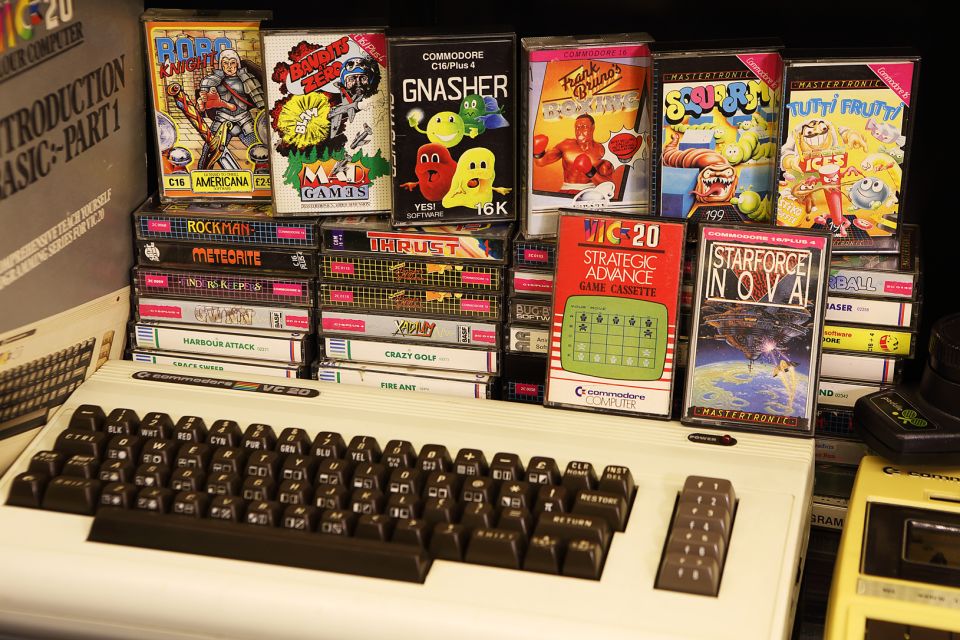
The Museum of Brands sits in Notting Hill on Lancaster Road, just about five minutes from Portobello Road Market. That matters because you can build a full day without getting stuck in one neighborhood bubble. If you’re already planning a Portobello Road stop, this museum is the kind of companion visit that makes the area feel more personal.
You don’t need a complicated plan to enjoy it. The museum is designed as a self-contained journey: you enter, follow the timeline, then linger with temporary exhibits and ads. When you’re done, the memorial garden gives you a place to slow down before heading back out.
You can also read our reviews of more tours and experiences in London


Skip-the-Line Entry and the Time Tunnel
The skip-the-line part is exactly what you want with a museum like this: less waiting, more time looking. Once you’re in, the main event is the Time Tunnel, built to move you through the story of consumer society since Victorian times.
Here’s the key idea I like: the museum doesn’t treat branding as trivia. It treats it like a record of daily life. As you move through the tunnel, you’ll see how changes in technology and transport altered routines—things like the arrival of the railway, the motor car, and the airplane show up as turning points, not side notes.
What the Time Tunnel covers (and why it’s clever)
The timeline connects everyday products to major cultural moments. You’ll encounter references to royal coronations, two world wars, and even the man landing on the moon, plus how everything slides forward into the digital age.
This structure is valuable because it gives context. Packaging and brand design didn’t evolve in a vacuum. It responded to wars, mass production, new media, and new ways of consuming entertainment and travel.
200 Years of Consumer Culture: The Real Theme
The museum’s promise is nostalgia with purpose: a look at 200 years of consumer culture and lifestyle. That’s more than old ads in glass cases. It’s a guided way to understand how society arrived where it is now.
You’ll see how daily life changed as new industries took off and new media formed. The museum pays attention to the everyday signals—what people watched, what they played, how they traveled, and what products became part of the routine.
Over 12,000 items: how that changes your visit
With 12,000+ items, you’re not staring at the same few brand names for hours. The sheer variety helps you spot patterns: how packaging formats and marketing messages shift over time, and how tastes and trends move with technology.
Practical tip: don’t feel like you have to read every label. Pick sections that match your interests—like advertising, entertainment, travel, or music—and give those more time. The museum rewards scanning with curiosity.
You can also read our reviews of more museum experiences in London





Big Historical Moments Meet Everyday Stuff
One reason this museum works so well is how it links the grand and the ordinary. You’ll see threads that connect major history to consumer life: two world wars, plus the way new public experiences formed as people looked for distractions and identity.
And then there are the pop milestones that make the timeline feel familiar. References like the moon landing aren’t just fun trivia; they sit inside the idea that big breakthroughs change what society expects and buys.
The value of seeing it in order
Chronological layout matters here. If the exhibits were random, brands might feel like a scrapbook. In this setup, you can feel cause-and-effect—how new transport changes habits, how broadcast media changes leisure, and how those changes influence what companies sell and how they sell it.
If you like museums where you leave with a stronger sense of how modern life formed, this timeline is built for you.
Entertainment, Travel, Leisure, and Music: Where It Gets Fun
The museum doesn’t lock itself into one topic. It focuses on the areas that transformed everyday leisure: entertainment, travel, and leisure, with attention to things like music and how media took over.
You’ll see how entertainment evolved as new formats arrived. The museum highlights how cinema, radio, and television changed what people did with their time. It’s a “how we got here” explanation, shown through the objects and messaging of the era.
A practical way to enjoy these sections
For sections tied to entertainment and media, spend a little time just observing layout and style. Packaging and advertising often show what each era thought looked modern, trustworthy, or exciting. Even if you can’t finish every display, you can still catch the visual language of different decades.
Old TV Ads and Temporary Exhibits: The Post-Tunnel Treat
After the Time Tunnel, you get a second wave of entertainment: a chance to watch TV adverts from the past. This is a nice change of pace because it turns the museum from static objects into moving culture. If you’ve ever wondered why ads feel different across decades, this is the part that makes the answer visible.
Then come the rotating temporary displays. Based on what’s been featured, you might see themes like:
- 1950s toys
- the London punk scene
- chocolate brands
- biscuit tins
These themes matter because they show that consumer culture isn’t only about mass-produced basics. It’s also about subcultures, hobbies, comfort foods, and the identity people build around what they buy.
The Memorial Garden Finish: Slow Down for Cake and Coffee
When you’ve spent time in the timeline, your brain deserves a break. The museum ends with access to the award-winning memorial garden, designed for relaxing.
There’s also a simple treat option: you can enjoy cake with coffee, and there’s a refreshing glass of prosecco available at your own expense. Food and drinks aren’t included in the ticket price, but the garden makes it feel like a proper pause instead of just an outdoor corridor.
This is one of the most underrated parts of a museum visit. You’ll walk out with the history in your head, then you can let it settle while you recharge.
Location Tips: Build a Solid Notting Hill Day
Because the museum is so close to Portobello Road Market, I’d plan your day like this:
- Start with the museum when you want calm, indoor time.
- Then head toward Portobello Road for browsing after.
That rhythm works well because Portobello gets lively. Doing the museum first helps you avoid feeling rushed in the timeline, and it gives you energy for the market afterward.
You’re also in Notting Hill, which makes it easy to treat this as a flexible stop—one ticket can fit into a bigger day without stealing your whole schedule.
Price and Value: Is $18 Worth It?
At about $18 per person, this ticket is priced like a focused museum experience, not a half-day theme park. The value comes from three things you actually get:
- Skip-the-line access, which saves time when you’re planning a day in London
- A main attraction with scale—Time Tunnel plus a collection of 12,000+ items
- Extra layers: temporary displays, past TV adverts, and a memorial garden stop
If you love the idea of how everyday life changes—how transport, entertainment, and media reshape what people buy—this is a strong value. You’re not just looking at objects; you’re following a story.
The drawback on value is simple: if brands and advertising don’t interest you, the museum’s core theme won’t suddenly become something else. It stays focused on consumer culture.
Who Should Book This Ticket
You’ll likely enjoy the Museum of Brands ticket if you:
- like nostalgia that has context, not just old packaging
- enjoy advertising, media history, or how people entertained themselves
- want a museum that explains modern life formation through everyday examples
- like interactive-feeling exhibits like the Time Tunnel format
It’s also a good choice if you’re visiting London with someone who doesn’t want only galleries and monuments. This museum gives a different angle on history—through the products and messages that shaped daily routines.
Should You Book This Museum of Brands Ticket?
Yes—if your idea of a good day includes story-driven museum time and you’re curious about how consumer culture evolved. The Time Tunnel plus the garden finish is a neat package: one part big chronological narrative, one part lighter pop-culture viewing, then a calmer end.
Skip it only if you’re mainly interested in other types of museums, like fine art, pure archaeology, or politics without the consumer angle. This one is branding-focused in a way that can feel surprisingly meaningful when you see the timeline connect to real life.
FAQ
Where is the Museum of Brands located?
It’s on Lancaster Road in Notting Hill, and it’s about five minutes from Portobello Road Market.
What does skip-the-line mean for this ticket?
It’s a skip-the-line admission ticket, so you can enter without waiting in the standard queue.
How long is the ticket valid, and what are the opening hours?
The ticket is valid for 1 day from first activation. Opening hours are Monday to Saturday 10:00 AM–6:00 PM, and Sunday and Bank Holidays 11:00 AM–5:00 PM.
What’s included in the price?
The ticket includes entrance to the Museum, temporary displays, and access to the memorial garden.
Are food and drinks included?
No. Food and drinks are not included. Cake with coffee is available in the garden area, and prosecco is also available at your own expense.
When is the museum closed?
It’s closed August 27, 28, and 29; December 24, 25, and 26; and January 1.