REVIEW · LONDON
London: Secrets of the London Underground Walking Tour
Book on GetYourGuide →Operated by Evan Evans Tours · Bookable on GetYourGuide
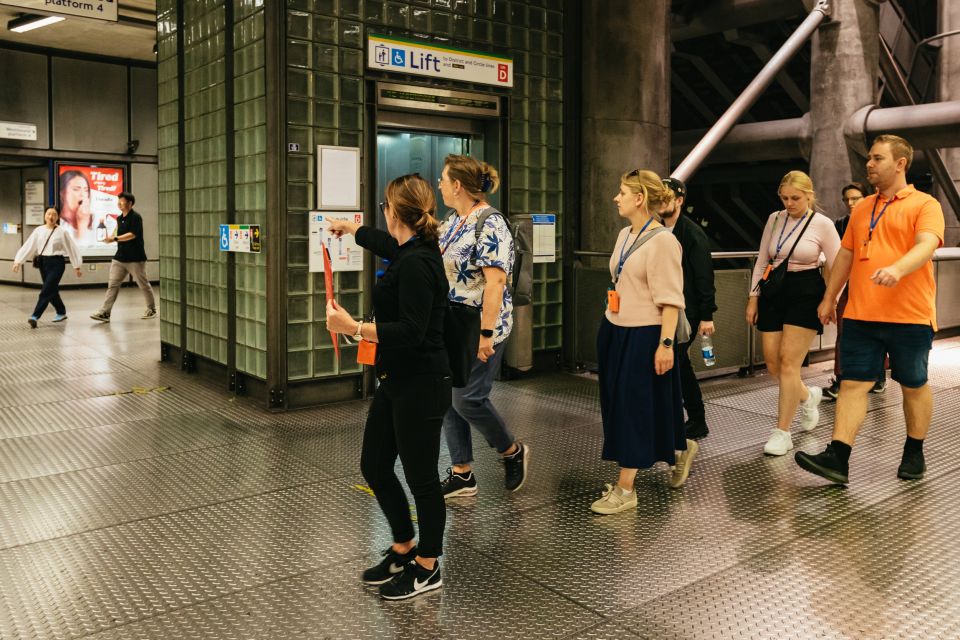
London’s Tube hides secrets you can walk into. Starting at Baker Street Station, this tour lines up the Underground’s steam-to-electric evolution and the story of the Metropolitan Railway, told with energy by guides like John and Aaron. I love the audio headsets, because station noise can be loud, but the key facts stay clear; the one real catch is the stairs and walking, so it is not a good match for wheelchair users or anyone who needs step-free routes.
You’ll also get the Underground as a city-world machine, not just a subway. Expect stories about abandoned stops, and how the Tube got reused during the Blitz, even as an aircraft factory and storage for treasures from the British Museum. The tone stays fun, including the haunted legends, but it’s still a history walk—if you want guaranteed access to sealed-off underground areas, manage your expectations.
Finish in Westminster and suddenly the Tube looks different. You’ll spot details you usually miss, and you’ll ride with a lot more context the next time you tap in.
In This Review
- Key moments worth circling on your plan
- Starting at Baker Street: the Underground before it was famous
- A quick reality check: this is a walking tour
- The Tube timeline: steam, electrified rails, and early tunnels
- Why this part feels worth $40
- Disused and repurposed stations: refuge, aircraft work, and museum storage
- A clue about what you might not get
- Haunted and eerie legends: Pharaoh, a nun, and real station atmosphere
- The practical twist
- London Transport Museum stop: turning symbols into meaning
- Price and tickets: how to get the full value without surprise costs
- What to bring
- What not to bring
- What the experience is really like day-to-day
- Who should book this Underground secrets tour
- Final take: should you book it?
- FAQ
- Where does the London Underground walking tour start?
- How long is the tour?
- What does the tour cost?
- Do I need an Underground ticket or travel card?
- Is an audio headset included?
- Where does the tour finish?
- Is food included?
- Is the tour suitable for wheelchair users or reduced mobility?
- Can I bring a stroller or large luggage?
- Can I cancel for a full refund?
Key moments worth circling on your plan
- 1863 station stop at Baker Street: you begin at an original Underground-era site tied to the Metropolitan Railway.
- How the Tube became electrified: the tour explains the shift from steam power to electric rails.
- Abandoned stations and the why: more than 40 stations are discussed as part of the system’s changing needs.
- WWII repurposing stories: you hear how the Underground served as refuge, factory space, and museum storage.
- The roundel symbol: you’ll learn what that iconic Underground logo means and how it came to represent the network.
- Audio headset clarity: included equipment helps you follow the guide even when you’re standing in busy stations.
Starting at Baker Street: the Underground before it was famous
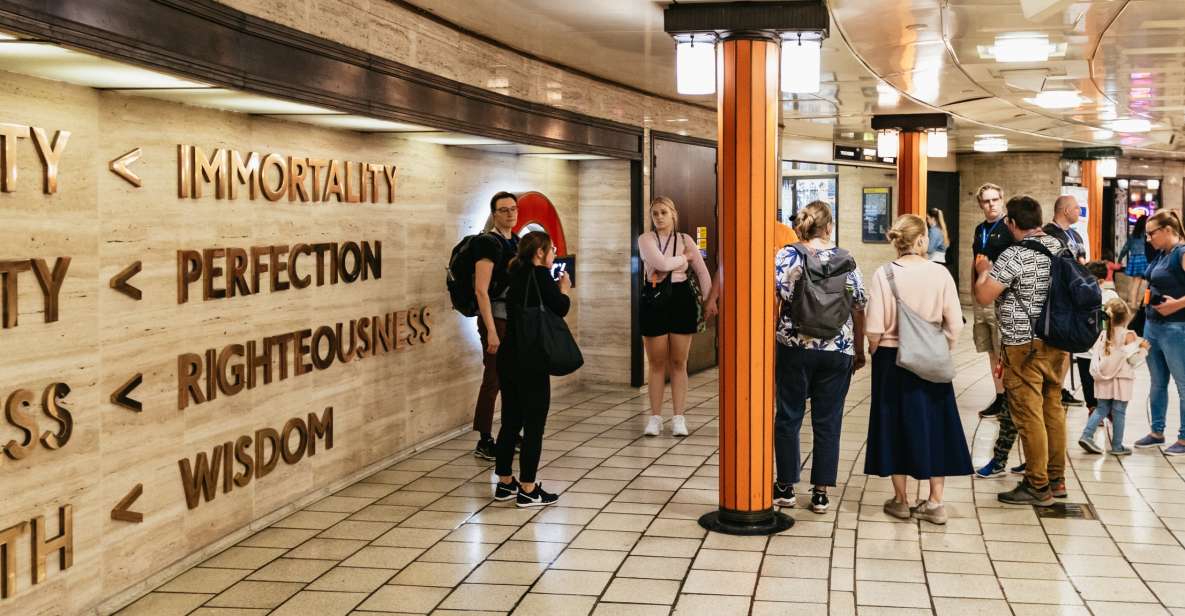
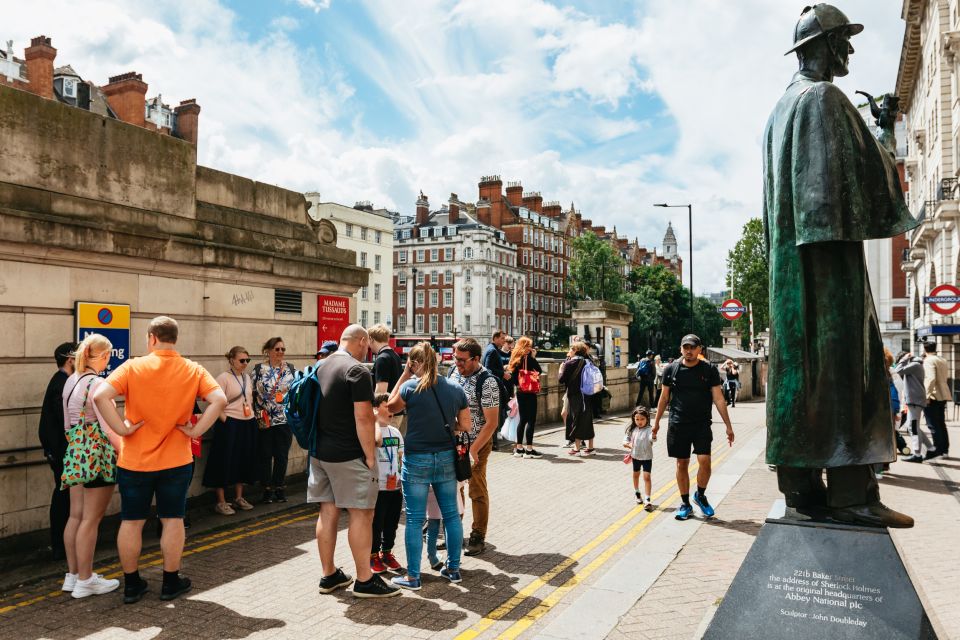
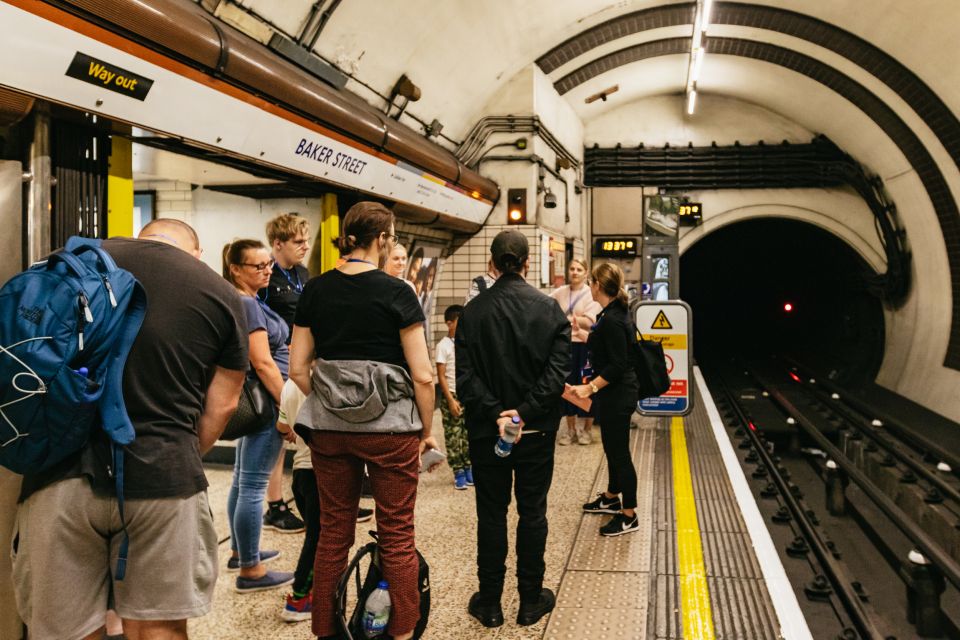
The meeting point is Baker Street Station, right outside the Sherlock Holmes statue. I like that start because it gives you instant London context: famous street, iconic building entrance, and a setting that feels like it belongs in a history book.
This is also where the tour gets its credibility. Baker Street Station connects to the early days of the Underground, including the Metropolitan Railway, which is described as the world’s first underground railway. You’ll hear how an 1863-era station helped shape what the Tube became later.
It’s a strong opener because you’re not just looking at old tiles and pretending that’s enough. The guide frames what you’re seeing: what came first, what changed, and why the system kept evolving as the city grew.
You can also read our reviews of more walking tours in London



A quick reality check: this is a walking tour
You’re looking at about 2.5 hours and a moderate amount of walking. That matters here because the Underground station environment is step-heavy. The tour is not set up for reduced mobility or wheelchair users due to the number of steps on the system.
If you’re comfortable walking and standing for stretches, you’ll likely find the pace manageable. If not, you may feel “stuck in transit” rather than actually enjoying the stories.
The Tube timeline: steam, electrified rails, and early tunnels
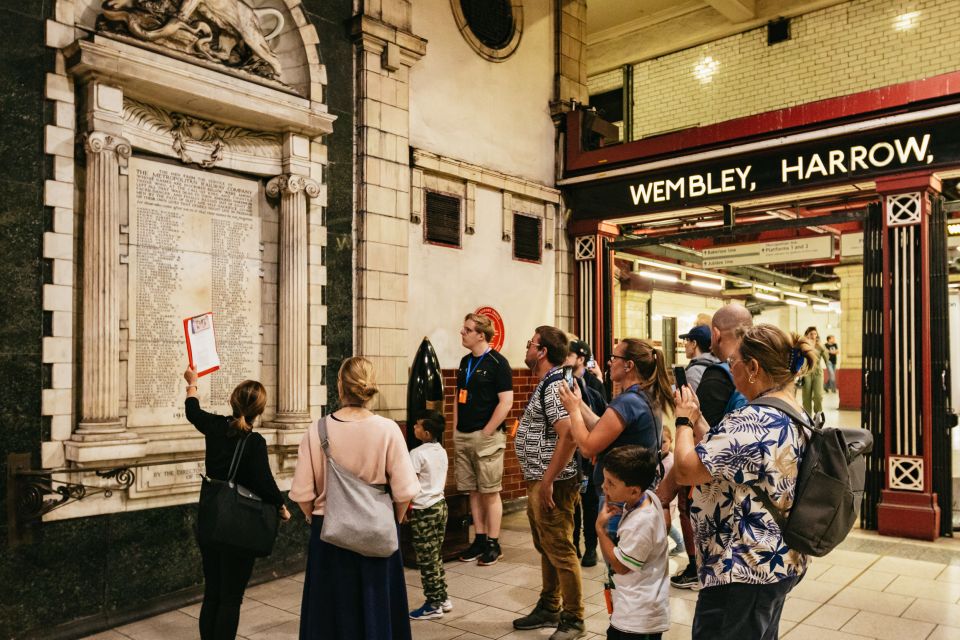
Half the fun of this tour is that you get a practical timeline. You’ll learn how trains moved from steam power to electrified rails, and why that shift mattered for speed, safety, and everyday passenger life.
The guide also explains how the Underground’s first tunnels were built. Even if you’ve ridden the Tube for years, tunnel engineering tends to feel abstract—until someone puts it into story form and you start noticing structural details at each stop.
One of the standout teaching moments is the way the tour connects technology to human decisions. For example: when the rail system modernized, stations and tunnels didn’t always stay useful. That’s where you start hearing why some parts were later abandoned.
Why this part feels worth $40
At around $40 per person, you’re paying for more than sightseeing. You’re buying a coherent explanation of how the Tube works as a piece of urban infrastructure—not just a map of lines.
And the guide quality shows up in the reviews: names like John, Aaron, Peter, Angela, and Aran come up again and again, praised for keeping the history engaging and answering questions. That combination matters because Tube history can get dry fast—unless the person leading it has timing.
Disused and repurposed stations: refuge, aircraft work, and museum storage
This is where the Underground turns into a wartime survival story. You’ll hear how the Tube was repurposed during the Blitz as a refuge, and also described as serving as an aircraft factory and storage space for treasures connected to the British Museum.
Those details are powerful because they show the Underground as London’s fallback plan. It wasn’t only for commuting. In crisis, it became shelter and storage, meaning the system’s spaces were shaped by far more than passenger traffic.
You’ll also learn why more than 40 stations were left abandoned. The point isn’t just that the Tube has unused spaces—it’s that the city’s needs changed, and the system kept adapting. Once you understand that logic, abandoned stations stop feeling like ghost towns and start feeling like chapters in a living infrastructure.





A clue about what you might not get
A few people expected a more hands-on look at disused stations. Based on the information you’re given, the tour is mainly a guided walk through public-facing areas, plus a museum visit. If you’re hoping for guaranteed access into sealed or off-limits spots, plan for a street-level history experience instead of a behind-the-scenes excavation.
Haunted and eerie legends: Pharaoh, a nun, and real station atmosphere
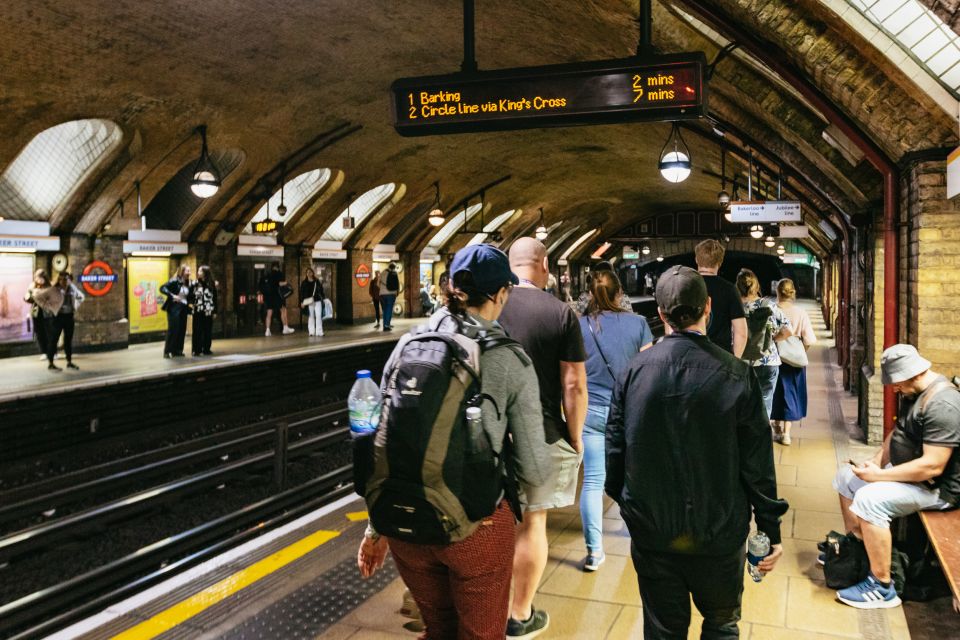
Yes, there are haunted stories. The tour includes legends about stations reputed to be haunted by the ghost of a Pharaoh’s daughter and even a nun. There are also tales of disused stations and strange connections that make certain stops feel extra atmospheric.
I like how the guide uses these stories without turning the whole tour into a carnival. It stays anchored to place. You’re standing in the locations where the legends were attached, and the history lesson gives the spooky bits a setting.
There’s also a macabre detail mentioned: one station is described as being above the remains of 1,000 bodies. Hearing something like that in a real Underground corridor changes your brain’s sense of what’s beneath your feet.
The practical twist
Because this is still a walking tour in active stations, you won’t control noise, crowds, or station closures. One reason the guide matters is rerouting when plans shift.
Some tours get affected by disruptions that force changes on the day. When that happens, expect the guide to adjust the route and possibly add walking time.
London Transport Museum stop: turning symbols into meaning
A big mid-tour moment is the London Transport Museum visit. This helps because the tour’s stories aren’t only about text and facts. You get a physical place where the system’s look and evolution make more sense.
The museum stop also connects directly to one of the tour’s recurring themes: symbols and identity. You’ll learn about the famous roundel Underground symbol, and why it became such an enduring visual shorthand for the network.
This matters for two reasons. First, you start noticing signage and design choices you would normally ignore. Second, you understand how the Tube brands itself across generations—even as tracks, tunnels, and stations change.
If you’re the kind of person who likes design, maps, and wayfinding, this museum stop can be the moment everything clicks.
Price and tickets: how to get the full value without surprise costs
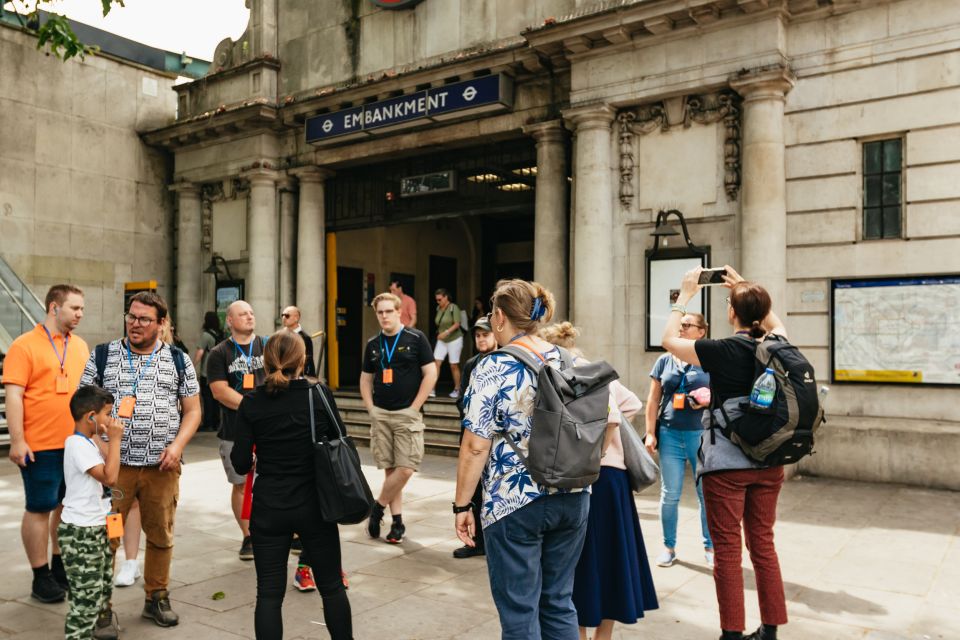
Let’s talk value first. The tour cost is $40 per person for 2.5 hours, including a tour guide and audio headset equipment. That’s not bad for a guided experience that covers multiple eras, includes a museum visit, and keeps you moving through major stations.
But the real cost-of-doing-it part is the Underground travel itself. An Underground ticket is not included. You’ll need a travel card or Oyster card, and you’re told to purchase a day travel card for Zones 1–2 or use an Oyster card before joining the tour.
One practical tip: don’t arrive with just whatever payment method you use on autopilot. One review mentioned an unexpected charge after a cousin used a credit card without the right setup. The takeaway is simple—get your day pass sorted so you don’t end up paying extra for entry or travel you didn’t plan for.
What to bring
Bring a public transport ticket (or day travel pass) since it’s required for the tour’s transit portions. Also, bring comfortable shoes. Moderate walking plus station stairs is the day’s main physical challenge.
What not to bring
No baby strollers. No luggage or large bags. This keeps the group moving and avoids bottlenecks, but it does mean you should pack light.
What the experience is really like day-to-day
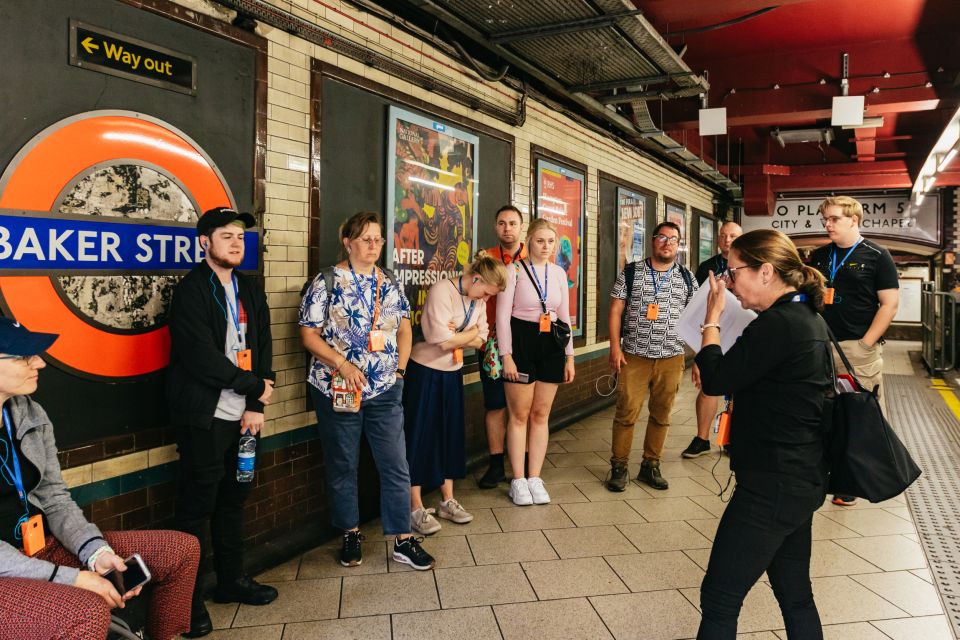
The most repeated praise is about the guides. People highlight guides such as John and Aaron for being both entertaining and very good at answering questions. There’s also praise for guides like Peter and Angela for clarity and keeping the pace from feeling like a lecture.
Audio equipment is included, and that’s a real win. One person even pointed out that headsets made it easier to hear despite noise. On the flip side, a few reports note the audio can be crackly above ground while working better underground. In other words: don’t expect studio-quality sound on the sidewalk outside stations.
The tour is also designed to make London feel larger than just your neighborhood. One review noted the guide added information about nearby areas beyond the strict route. That’s the difference between a history talk and a city walkthrough.
Who should book this Underground secrets tour

This is for you if you:
- love cities with layers and want the Tube explained like a story
- enjoy station design, symbols, and how systems evolve
- want WWII and London history woven into the everyday spaces you use
It’s also a good fit if you’re traveling with kids who are curious about how trains work, since the guide is reported to handle questions well.
You should think twice if you:
- use a wheelchair or need step-free routes, because the Underground stairs make this a poor match
- want guaranteed access into disused underground areas, since the experience is described as a guided walk plus museum time rather than a hard-hat tour
For solo travelers, the audio headset is helpful because you can follow without craning your neck at the crowd. For couples and small groups, it’s an easy way to do something different from the usual hop-on/hop-off routine.
Final take: should you book it?
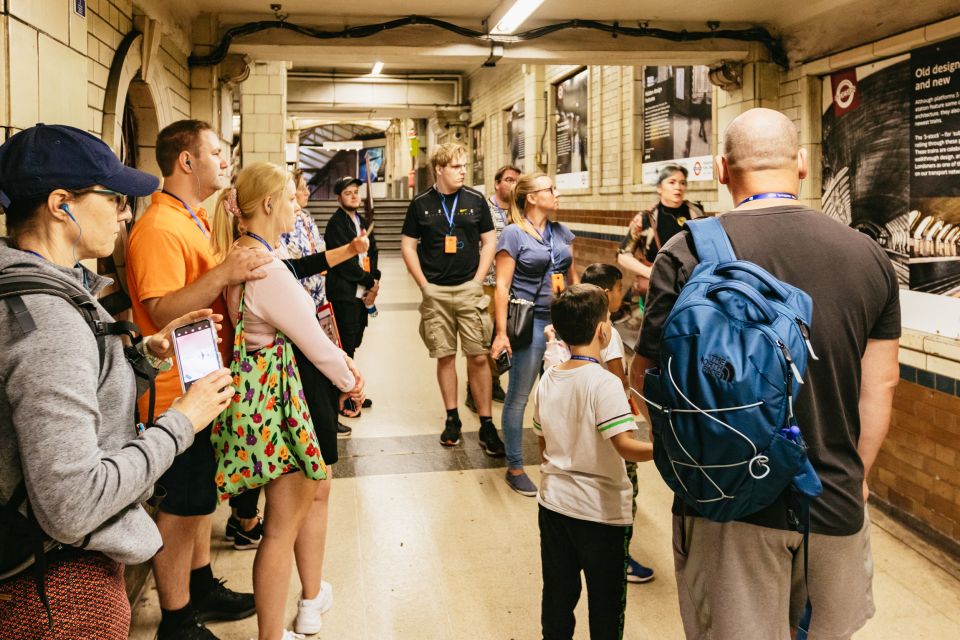
I’d book this tour if you want the Tube to feel less like background noise. Starting at Baker Street and moving through stations, then adding the London Transport Museum, you’ll leave with a clear mental model of how the Underground became modern—and how it affected London during peacetime and wartime.
If you’re limited by stairs, or you’re expecting a more extreme behind-the-scenes look at sealed disused spaces, skip this one and look for a fully accessible alternative or a specialty tour with clearer access details.
In the sweet spot, this is great value: 2.5 hours, included headset, and a guide-led story that makes you see stations as part of the city’s real-life timeline.
FAQ
Where does the London Underground walking tour start?
You start at Baker Street Station. Meet the guide by the Sherlock Holmes statue outside the station.
How long is the tour?
The tour runs for about 2.5 hours.
What does the tour cost?
The price is $40 per person.
Do I need an Underground ticket or travel card?
Yes. An Underground ticket is not included. The tour requires a travel card for Zones 1–2 or an Oyster card purchased before joining.
Is an audio headset included?
Yes. You get a tour guide and audio headset as part of the included items.
Where does the tour finish?
The tour finishes at 10B Bridge St, Westminster, London SW1A 2JR.
Is food included?
No. Food and drinks are not included.
Is the tour suitable for wheelchair users or reduced mobility?
No. It is not suitable for customers with mobility impairments or wheelchair users because of the number of steps in the Underground.
Can I bring a stroller or large luggage?
No. Baby strollers and luggage or large bags are not allowed.
Can I cancel for a full refund?
Yes. Free cancellation is available up to 24 hours in advance for a full refund.