REVIEW · LONDON
National Gallery of London Museum Tour Semi-Private 8ppl Max
Book on Viator →Operated by Babylon Tours London · Bookable on Viator
A great gallery needs a good guide. This small-group National Gallery tour gives you a fast, story-based path through centuries of painting, with guides who help you see details you’d miss alone. I love that the tour keeps the group to just 8 people maximum, and I love the way the commentary connects artists, techniques, and the big changes in art—so names like Van Gogh, Monet, Rembrandt, Vermeer, Botticelli, and even Jan van Eyck start to make sense.
One thing to weigh: it’s not designed for wheelchair access or walking disabilities, and you also won’t see temporary exhibitions as part of this tour.
In This Review
- Key things to know before you go
- Why a semi-private National Gallery tour makes sense in London
- Meeting at Trafalgar Square: what you need to plan for
- Your 2.5-hour plan: how the guide keeps the route logical
- Stop 1 at the National Gallery: masterpieces across centuries (without the stress)
- How the guide turns art into a story you can follow
- Getting value from a group of 8 (and hearing everything)
- Price and value: is $108.49 a smart use of time?
- Who should book, and who should skip
- Should you book the National Gallery semi-private tour?
- FAQ
- How long is the National Gallery semi-private museum tour?
- What is the maximum group size?
- Where do we meet for the tour?
- Is museum admission included?
- Are temporary exhibitions included?
- Is this tour wheelchair accessible?
- What items are allowed inside the National Gallery?
- Do I need to provide a mobile phone number?
- What is the cancellation window?
- What happens if the museum opening is delayed?
Key things to know before you go
- Max 8 guests keeps the experience calmer and easier to ask questions.
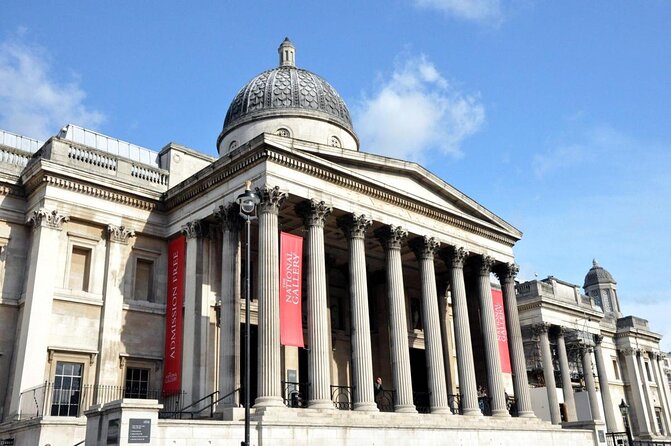
- Meet at the Sainsbury Wing entrance right in Trafalgar Square, near major transit.
- Guided highlights across 1300s–1900s painting, not random wandering.
- You’ll learn techniques and art-history context while spotting details in famous works.
- Temporary exhibitions are not included, so plan your expectations around the permanent collection.
- Entry rules matter: no large bags or suitcases inside; only handbags/small thin packs.
Why a semi-private National Gallery tour makes sense in London
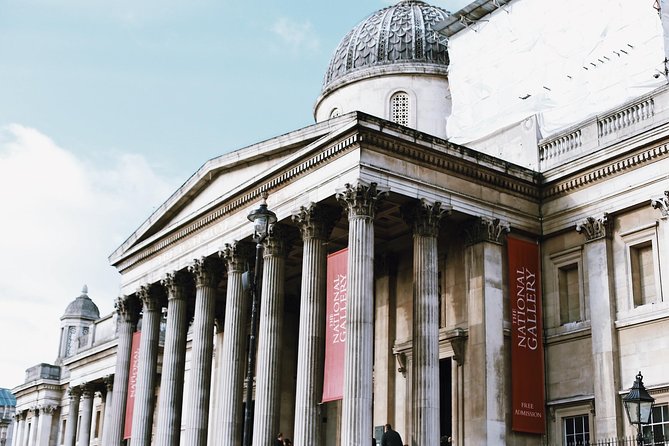
The National Gallery is free to enter, which is great. But when you walk in on your own, you can end up doing the London thing: lots of staring, not much understanding. This tour fixes that with a guided route that’s built to help you get your bearings fast and then actually remember what you saw.
The semi-private format is a big deal. With up to eight people, you’re less likely to be stuck behind someone tall, and your guide can actually keep the group together. That matters in a museum where the best rooms can get crowded.
I also like the “you’ll leave with context” focus. A good guide doesn’t just say the title of a painting. They point out how it’s made and why it mattered when it was made, so the museum feels like one long story rather than a checklist.
You can also read our reviews of more private tours in London


Meeting at Trafalgar Square: what you need to plan for
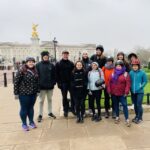
You meet at the National Gallery at Trafalgar Square, at the Sainsbury Wing entrance area (WC2N 5DN). The tour ends back at the same place, which makes it easy to keep the rest of your day flexible—dinner plans, a walk around the Square, or hopping to another nearby site.
A couple of practical tips based on the rules you’ll be dealing with:
- Bring a phone: you’re required to provide a mobile number (with country code) for the experience.
- Pack light: no large bags or suitcases are allowed inside the museum. Expect security screening with restrictions that favor handbags or small thin bag packs.
You should also plan on a moderate fitness level. This isn’t described as a mobility-adapted tour, and it also isn’t available for those using a wheelchair or with walking disabilities.
Finally, note that museum operations can change. The National Gallery and other attractions can have occasional closures. If the museum opening is delayed by more than an hour from tour start time, the operator says they’ll provide an appropriate alternative. In those cases, refunds or discounts aren’t offered—so be realistic if you’re visiting during peak disruptions.
Your 2.5-hour plan: how the guide keeps the route logical
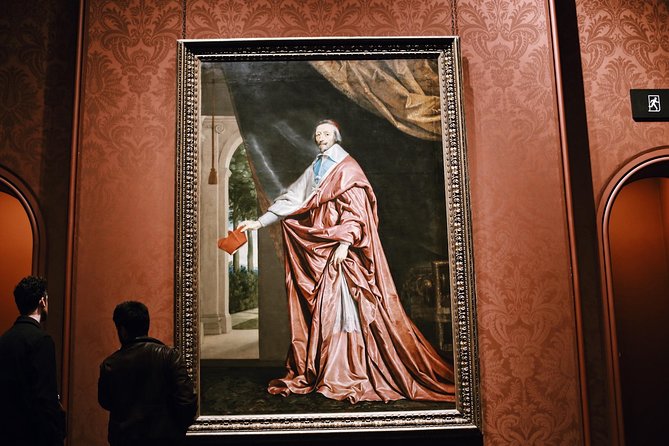
This tour is about 2 hours 30 minutes. It’s structured to cover key works without losing time in dead ends. Right after you meet, you get a brief history of the museum and the collection—enough to understand what you’re looking at—then you head inside for the main highlights.
A big part of the value is how the guide moves you around the museum. The tour description emphasizes going past crowds to reach the most important pieces. That isn’t just convenience. It changes what your visit feels like: you spend less time negotiating people and more time seeing brushwork, composition, and the visual choices artists made.
As you go, you’re meant to learn the stories behind artworks from a guide’s commentary, including technique and art-historical meaning. Expect stops that connect movements across time. The tour is set up to take you through a range that reaches from early paintings up through late Impressionism.
And if you love a museum rhythm, you get a bonus: when the guided portion ends, you can stay and browse at your own pace using works the guide recommends.
Stop 1 at the National Gallery: masterpieces across centuries (without the stress)
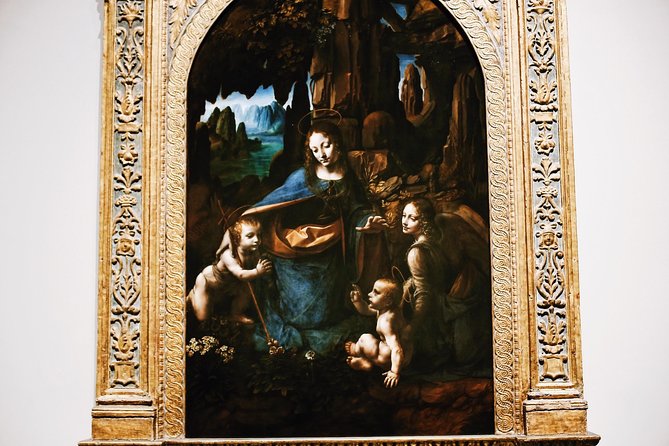
The heart of the tour is the National Gallery itself, and the premise is simple: don’t browse 2,300+ paintings aimlessly. The guide helps you focus on selected works that represent different eras and styles.
Even if you only recognize a few artist names, the tour is framed to meet you where you are. The setup suggests you may know big names like Seurat and da Vinci, but you’ll learn what’s behind the paintings and how different painters built on earlier ideas.
Here’s what that can look like in practice:
- You’ll see how artists use line, color, and light to create a convincing scene.
- You’ll learn what makes a masterpiece a masterpiece—small details, not just the subject matter.
- You’ll get a sense of what changed over time across centuries, so later works don’t feel random compared to earlier ones.
The description calls out specific famous works, including:
- Jan van Eyck’s The Arnolfini Portrait
- Vincent van Gogh’s Sunflowers
Those two alone cover a useful range. The Arnolfini Portrait helps you see what “early master” painting is trying to do—attention to surfaces, detail, and meaning. Sunflowers helps you understand how later artists worked with bold color and emotion, and why that shift mattered.
The tour also explicitly points you toward masterpieces by major names such as Monet, Rembrandt, Vermeer, Botticelli, and Van Gogh. If you’re an Impressionism fan, you’ll likely enjoy how the guide connects technique to the movement, instead of treating each painting as a standalone moment.
One more useful note: in some rooms, the museum has rules that restrict speaking quietly. The tour says your guide will explain this before entering those areas, so you’re not surprised by the change in atmosphere.
How the guide turns art into a story you can follow
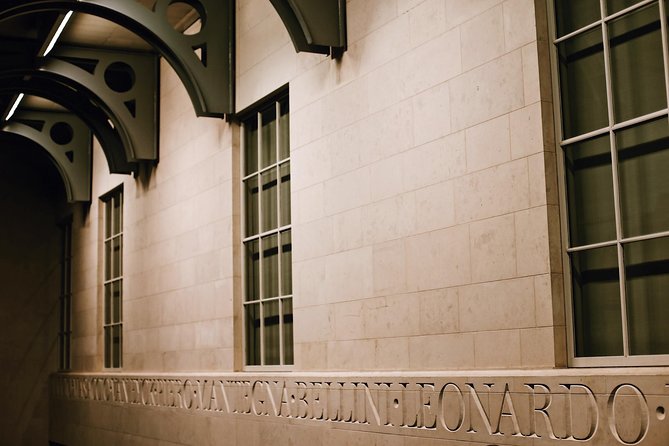
The best part of this tour—based on how the tour experience is described—is the guide’s ability to connect paintings to the bigger picture of art history.
You’ll likely hear commentary that covers:
- what the painter was doing technically (how the image is built)
- how style evolves across eras
- why certain details matter to meaning
It also sounds like the guide experience can vary by person. The overall pattern from the guidance style described in real examples is that strong guides are energetic and organized, and they answer questions without making you feel rushed. Names that have shown up in past group experiences include Stephanie, Laurence, Matilda, Becky, Alex, Luis, Jake, and Ellie. Across these examples, the common thread is that the guide helps people understand more than just the title label—things like shadow and color choices, and what to notice when you’re looking at the painting on your own.
The one drawback to keep in mind is that not every guide will emphasize facts in the same way. If you book because you want technique-heavy explanations (not opinions about what a painting feels like), you’ll be happiest if you’re comfortable asking questions and steering the conversation toward “how” and “why.”
You can also read our reviews of more museum experiences in London





Getting value from a group of 8 (and hearing everything)
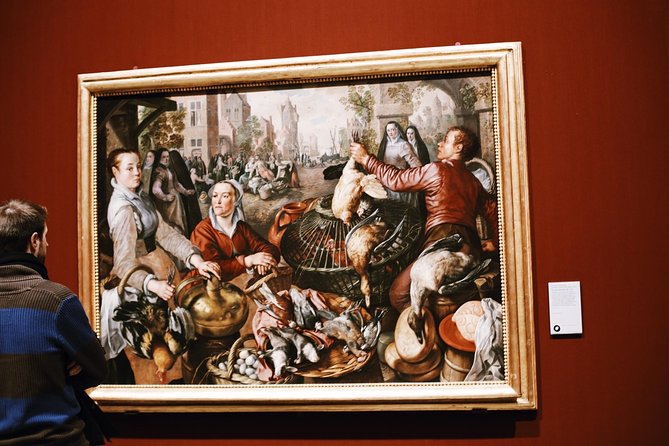
A tour with up to eight people is a sweet spot. You still get the social comfort of a group, but it doesn’t turn into a herd.
In a museum, audio matters. With a smaller group:
- you can hear the guide better
- your guide can check that everyone is actually in front of the artwork
- your questions are less likely to get swallowed by the crowd
That group size also changes the pacing. You’re less likely to feel like you’re sprinting. In many cases, that’s what makes a 2.5-hour tour feel enjoyable instead of exhausting.
You’ll also find the tour format encourages you to keep your own interests in the mix. Some guide experiences are described as helping incorporate personal favorites—use that. If there’s a specific artist you want, say it early.
Price and value: is $108.49 a smart use of time?
At $108.49 per person for about 2.5 hours, this is not the cheapest way to visit. But you’re not paying for museum entry—you’re paying for guided time in a place where it’s easy to waste hours.
Because the museum admission is described as free, the “cost” is really the expertise: the guide’s route planning, the explanation of technique and history, and the filtering of what matters.
So the real value question becomes this:
- Do you want to leave with a clearer understanding of what you saw?
- Or do you prefer wandering and reading at your own pace?
If you only have limited time in London and want the National Gallery to be the best use of it, this tour can be a good investment. If you have multiple museum days and you’re the type who loves long solo reading sessions, you might do fine on your own with printed maps or an audio guide.
Who should book, and who should skip
This tour fits you best if:
- You want a guided path that covers a lot of the National Gallery’s permanent collection.
- You enjoy art history that connects artists across time, not just a lecture of names.
- You prefer smaller groups and better attention from the guide.
It’s not the right match if:
- You use a wheelchair or have walking disabilities (the tour isn’t available for those situations).
- You’re mainly interested in temporary exhibitions (those aren’t included).
- You want unlimited time in every room. This is a highlight route, not a museum day.
Should you book the National Gallery semi-private tour?
I’d book it if you want a structured, calmer way to understand what you’re seeing at one of London’s biggest art stops. The small-group size helps a lot, and the guide-focused storytelling is clearly the core of the experience.
Before you commit, do three things:
- Decide which artists matter to you most (if you can name two, you’ll enjoy the tour more).
- Plan for a short museum visit after the tour ends, because you’ll likely want to linger.
- Pack a small bag only, and wear shoes that work for walking inside the museum.
If that sounds like your style, this is one of those “pay for the expertise” tours that can make a famous museum feel personal instead of overwhelming.
FAQ
How long is the National Gallery semi-private museum tour?
It runs for about 2 hours 30 minutes.
What is the maximum group size?
It is limited to a maximum of 8 travelers.
Where do we meet for the tour?
You meet at the National Gallery, Trafalgar Square, London WC2N 5DN, UK (at the Sainsbury Wing entrance).
Is museum admission included?
The tour information lists the admission ticket as free.
Are temporary exhibitions included?
No. Temporary exhibitions are not included in this tour.
Is this tour wheelchair accessible?
No. The tour is not available for those with walking disabilities or using a wheelchair.
What items are allowed inside the National Gallery?
No large bags or suitcases are allowed. Only handbags or small thin bag packs are allowed through security.
Do I need to provide a mobile phone number?
Yes. You must provide a mobile phone number (including the country code).
What is the cancellation window?
You can cancel up to 24 hours in advance for a full refund.
What happens if the museum opening is delayed?
If the museum is delayed more than 1 hour from the tour starting time, the operator says they’ll provide an appropriate alternative. Refunds or discounts aren’t offered in those cases.