REVIEW · LONDON
Private Doctor Who Walking Tour of London
Book on Viator →Operated by Tours Of The UK · Bookable on Viator
Doctor Who turns London into a giant clue hunt. This private walking tour stitches famous landmarks and specific filming moments together, so you’re not just sightseeing—you’re reading the city like a script. I especially like how it keeps the focus tight on places you’ll actually recognize right away.
I also like that the guide experience comes with real fan energy and solid city context, which makes the route fun even when you’re not hunting for every reference. One thing to plan for: this is a true walking route, and the tour description calls for moderate physical fitness, so bring good shoes and expect you’ll be on your feet.
In This Review
- Key highlights worth your time
- Why this Doctor Who walking tour feels different in London
- Getting started at Monument Station and London Bridge (where the UNIT vibe starts)
- Southwark Cathedral and St Thomas Street: Shard views and Lazarus clues
- Shakespeare’s Globe and St. Paul’s: from Tennant-era filming to Wren’s angles
- Photo-ready “fake Prime Minister” spots: John Adam Street, Trafalgar Square, and the TARDIS hang
- The Royal-family vibes of St James’s Park, plus Whitehall’s government-in-audiences feel
- Big Ben to the Judoon: Palace of Westminster and the Moon-hopping clue
- The London Eye “What?!” moment at Victoria Embankment, then the Police Box finale
- How long it really takes, and how to plan your day around it
- Who this tour is best for (and who might want something else)
- Price and value: what you’re really paying for
- Should you book this Doctor Who walking tour?
- FAQ
- How long is the Doctor Who walking tour?
- Is this tour private?
- How big is the group?
- Where do we meet and where does the tour end?
- Is the tour offered in English?
- What’s included in the price?
- Is public transportation included?
- FAQ
- Can I get a refund if I cancel?
Key highlights worth your time
- Doctor Who filming locations across the West End and City: you’ll hit major sights tied to recognizable scenes
- Guides who work for photos and questions: the route includes easy stopping points for group pics
- Free admission listed at each stop: you’re mostly looking from outside or in public areas
- A route built for big groups (up to 15): one group price, so it can be better value than solo tours
- You choose from many start times: easier scheduling for a packed London trip
Why this Doctor Who walking tour feels different in London
London already has a way of making film feel real. This tour adds a second layer: it shows you where Doctor Who used the city, then explains how the production team made those locations work on screen.
The private format matters more than it sounds. With a group size capped at 15 and a set route, you still get a guided flow—but you’re not stuck with a crowd rhythm. That makes it easier to ask questions, pause for a photo, or get your bearings quickly at big landmarks like St. Paul’s and Whitehall.
Value is also part of the appeal. At about $246.81 per group for roughly 3 hours, it’s priced for shared cost. If you’re even a semi-sized group of fans, you can turn the same spend into more person-hours than you’d pay for a couple of separate tickets.
You can also read our reviews of more walking tours in London



Getting started at Monument Station and London Bridge (where the UNIT vibe starts)
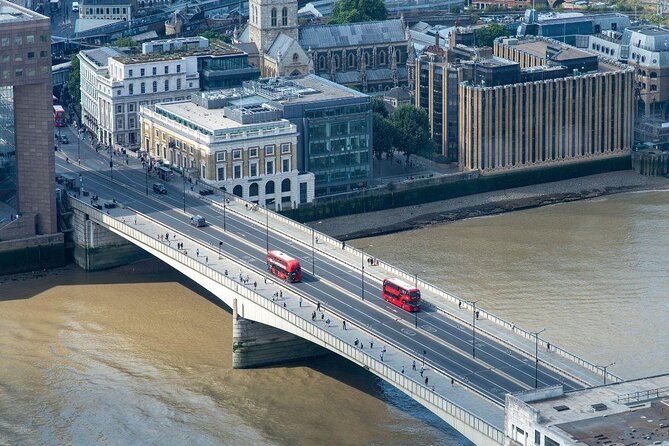
The walk starts outside Monument Station on Fish Street Hill. It’s a smart choice because you’re already in the older City of London zone, close to the river, with plenty of landmark texture right away.
From there, you cross London Bridge. Your guide talks history, including how the bridge “regenerated” in the late 1960s and the idea that there are now two London Bridges—one here and another across the Atlantic. Then the tour shifts to Doctor Who: the guide connects the area to the Tower of London and mentions the UNIT Black Archive tucked away there in the show’s world.
One practical win here: London Bridge is wide and easy to navigate as a group. You get big views, clear photo opportunities, and a good on-ramp to the “real place, real episode moment” style the tour keeps using.
Southwark Cathedral and St Thomas Street: Shard views and Lazarus clues
After London Bridge, you head toward Southwark Cathedral, a quick step from the river area. This stop matters because it’s tied to The Lazarus Experiment, where the cathedral name is used—but the “what it seems” angle is part of the fun your guide brings. You’ll also get a behind-the-scenes kind of thread: the actor connected to Lazarus has played more characters in Doctor Who than anyone else, and that involvement links to another major BBC TV series that helped launch Benedict Cumberbatch.
Nearby, the tour also hits St Thomas Street. If it’s clear, you can see the top of The Shard, the tallest building in the UK. The guide connects the view to Doctor Who story moments, including Miss Kizlet’s operation for the Great Intelligence from Series 7 of New Who. Even if clouds block the skyline, the street itself is the value here: you’re learning why this street got used and how the production team keeps fans guessing about how public filming fits into the overall series.
The only real drawback to note for these stops: sight lines depend on weather. On a gray day, you’ll still get the episode context, but you may miss the clean Shard-at-a-glance payoff.
Shakespeare’s Globe and St. Paul’s: from Tennant-era filming to Wren’s angles
Next up is Shakespeare’s Globe Theatre. The guide uses it as a bridge between London’s real theater world and Doctor Who’s use of performance spaces. You’ll learn why the Globe is strongly linked with David Tennant and his Doctor Who era, including the note that filming at the Globe was a first of its kind for a TV show or film.
Then you’ll get the episode connection: how the Globe shows up in The Shakespeare Code. The stop also includes a surprise link to a favorite Doctor Who villain, which is exactly the kind of extra detail that turns a quick exterior stop into a “wait, really?” moment.
After that, you travel (by public transport) to St. Paul’s Cathedral. The guide explains why Sir Christopher Wren’s landmark works so well for TV—Doctor Who has used the area across stories, including Dark Water and Death In Heaven. This is also one of the few stops where the tour gives you both: film-friendly reasoning and real cathedral context (burials and memorials are mentioned).
If you want a tour that makes London feel like a living stage, these two stops do it. Globe and St. Paul’s give you contrast: one is a theater built for audiences, the other is a grand interior-and-dome icon that looks great on camera from multiple angles.
Photo-ready “fake Prime Minister” spots: John Adam Street, Trafalgar Square, and the TARDIS hang
You’ll move to John Adam Street next. This is one of the easiest “snap-and-grin” stops on the route: it’s the filming location for the look of No. 10 Downing Street in Aliens of London/World War Three. The tour even frames it as a photo moment where you can pretend you’re in charge.
Then comes Trafalgar Square. The guide talks about the square’s main features—the National Gallery and the under-gallery painting area connected to Gallifrey Falls No More, including the fun uncertainty about what’s actually housed there. More importantly, you’ll learn how The Day of the Doctor sequence with the Eleventh Doctor hanging from the TARDIS was filmed while the public square stayed open for passersby and tourists.
Trafalgar Square can be busy, but the tour keeps it controlled with a set stop time. For groups, that’s key: you can still get your pictures without spending half your tour weaving through crowds.
You can also read our reviews of more private tours in London



The Royal-family vibes of St James’s Park, plus Whitehall’s government-in-audiences feel
At St. James’s Park, the guide connects Doctor Who to the Royal Family. You’ll also hear about the Titanic almost crashing into Buckingham Palace moment, which is a great example of the show using London geography for maximum drama. The tour then shifts back to character and casting lore, covering why Donna’s grandfather (and Bernard Cribbins) wasn’t meant to be permanent, and why London in Doctor Who isn’t always London.
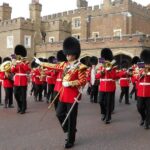
Then you head into Whitehall, the heart of British government. Here the “make it work on screen” theme stays strong. The guide explains how the production team faked the destruction of Number 10 Downing Street in Aliens of London/World War 3. Along the way you’ll also spot historic buildings and learn why you see mounted soldiers there, plus why film and TV production matters to London.
This part of the route feels like the tour’s “adult” stretch in the best way. You get big public institutions, official architecture, and the sense that the city is used as a real stage—even when the show is doing something impossible.
Big Ben to the Judoon: Palace of Westminster and the Moon-hopping clue
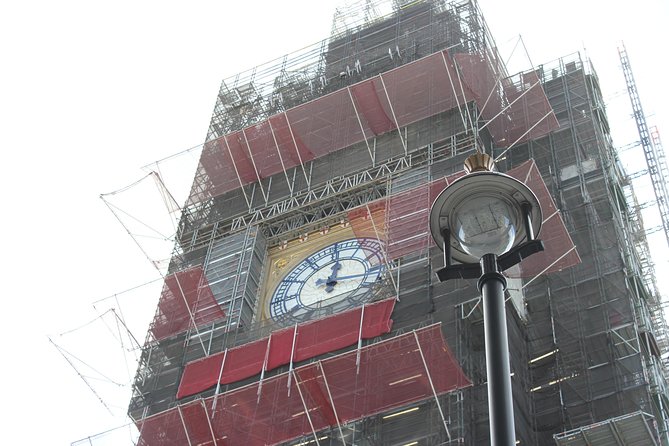
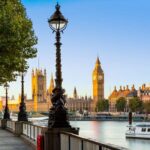
Near Palace of Westminster, your tour starts outside Big Ben. The guide ties the location to Aliens of London/World War Three, including the story beat where Big Ben gets destroyed for the episode’s plot.
You also hear about the nearby hospital and how, in Smith and Jones, it’s clearly the one abducted by the Judoon and taken to the Moon—even though the script doesn’t name it directly. That’s a subtle but useful type of tour info: it trains you to notice how shows use place cues without handing you a label.
This stop is short, but it’s punchy. If you want the tour to give you story context without turning into an encyclopedia, this is where it works.
The London Eye “What?!” moment at Victoria Embankment, then the Police Box finale
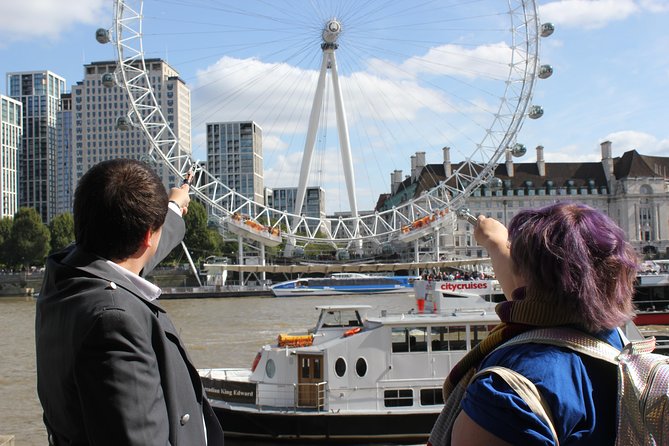
At Victoria Embankment, you get the “New Who origins” vibe. The guide explains first sequences filmed in London for the new series and also points out some mistakes in scripts of Series 1. Then you get a very specific photo-and-moment prompt: standing opposite the London Eye to recreate the famous Rose moment (the tour calls out the “What?!” beat).
This is one of my favorite types of tour add-ons: not just where they filmed, but how to recreate the framing with your own phone. Even if you don’t care about the exact quote, the orientation matters. You learn where to stand to make London look like the show.
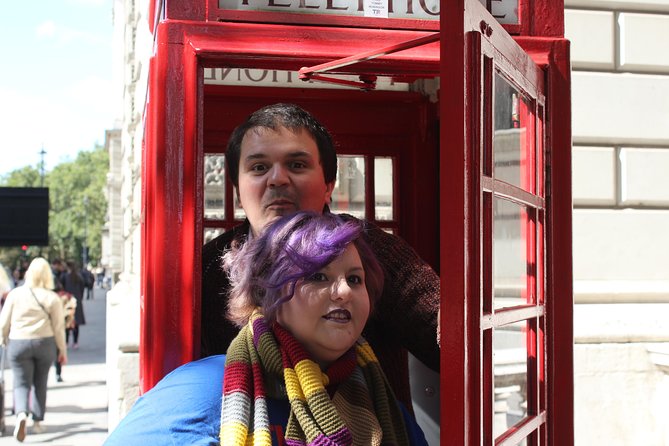
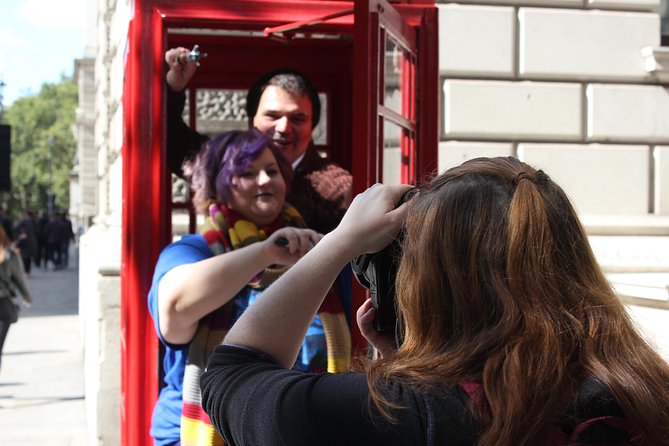
The tour ends at Earls Court, at Earl’s Court Tube Station, outside a famous Police Call Box for a final photo. The finish point is also described as outside the TARDIS in Earls Court, which gives the walk a clean thematic button.
How long it really takes, and how to plan your day around it
The tour runs about 3 hours. That’s long enough to see a stack of major sites, but short enough that you can pair it with other London priorities without feeling trapped.
A practical approach: schedule this earlier in your trip if you want it to help you navigate. After a route like this, you tend to recognize the city faster—especially the central clusters around Trafalgar Square, Whitehall, and the Westminster area.
One more planning note: public transport isn’t included, even though there are transport segments built into the day. So factor in Tube/bus time on your own. If you’re staying far out, this is still doable, just don’t assume the tour covers your getting-from-stop-to-stop costs.
Who this tour is best for (and who might want something else)
This tour is built for Doctor Who fans who also love London’s landmark architecture. You’ll enjoy it most if you like blending filming trivia with real-world context: why a street was used, how a building works for camera angles, and why a scene looks right even when the show is doing something wild.
It’s also strong for groups. At up to 15 people, it can fit families and mixed friend groups who want one shared activity that doesn’t require separate reservations for every person.
If you’re the type who hates walking in crowds or wants mostly indoor attractions, you might find this route less comfortable. But if you can handle a steady pace and don’t mind doing lots of exterior sightseeing, it’s a lot of fun.
Price and value: what you’re really paying for
The headline price is $246.81 per group for up to 15 people. That’s the key value lever: you’re buying a guided walkthrough that’s themed, timed, and structured—so your group isn’t just wandering and hoping for the best.
You also get a qualified guide, and every stop is listed with free admission. That matters because London tours can quietly rack up entry fees. Here, you’re mostly looking from public viewpoints and exteriors, so you’re less likely to feel stuck spending extra money halfway through.
The trade-off is that it’s a walking tour. If you’re comparing it to a bus tour, consider whether you’re paying for motion and stops—or for comfort and seats. This one is definitely about the walk.
Should you book this Doctor Who walking tour?
Yes—if your idea of a good London day includes real landmarks plus episode-by-episode context. This route covers a lot of iconic buildings in a tight span, and it gives you practical “stand here, look this way, take the photo” moments that make the tour feel usable after you leave.
I’d think twice only if you can’t do a moderate amount of walking or you hate weather-dependent city exploring. Otherwise, it’s a smart way to see London with a fan lens and still come away with normal sightseeing wins.
FAQ
How long is the Doctor Who walking tour?
It lasts about 3 hours.
Is this tour private?
Yes. It’s a private tour, and only your group participates.
How big is the group?
The tour price is per group for up to 15 people.
Where do we meet and where does the tour end?
You meet outside Monument Station on Fish Street Hill. The tour ends outside the TARDIS in Earls Court (at/near Earl’s Court Tube Station).
Is the tour offered in English?
Yes, it’s offered in English.
What’s included in the price?
A qualified guide is included. Admission is listed as free at the stops.
Is public transportation included?
No. Bus and Tube are not included, even though you’ll use public transport for at least one move between stops.
FAQ
Can I get a refund if I cancel?
Free cancellation is available up to 24 hours before the experience starts, with a full refund if you cancel at least 24 hours in advance.