REVIEW · LONDON
Westminster Abbey Skip-the-Line Entry and Private Tour
Book on GetYourGuide →Operated by Urban Saunters Ltd · Bookable on GetYourGuide
Few places stack history like Westminster Abbey.
On this Westminster Abbey skip-the-line private tour, I love how fast you get inside and start making sense of centuries of power, worship, and art. Two things really land for me: the 700-year-old Coronation Chair you’ll see while your guide explains how coronations worked across time, and the way the walk connects famous names to exact spots inside the church. The main drawback to plan around is that the Abbey is a working church with some areas subject to short-notice closures, and the tour isn’t set up for wheelchair users or people with limited mobility.
What you’ll like even more is the mix of royalty and famous minds—this tour points you to the burial places of major figures like Geoffrey Chaucer and Isaac Newton, then follows the thread through royal drama and ceremony. I’m also glad it’s led by an English-speaking Blue Badge guide; one Urban Saunters guide named Trudy has been praised for making the story fun, even for kids (including a family with daughters ages 8, 11, and 14). The other consideration: it’s a 2-hour experience, so you’ll cover a lot of ground and you won’t have time to linger at every monument on your own.
In This Review
- Key Things You’ll Notice on This Westminster Abbey Private Tour
- Enter Westminster Abbey Fast, Then Let the Abbey Do the Teaching
- Meeting Point: The West Side Shop and a Clear Start
- How the Coronation Story Becomes Real
- Royal Weddings, Court Intrigue, and the Tudor Brothers-and-Sisters Energy
- The “Who’s Buried Here?” Route That Actually Helps You Remember Names
- Henry VII Chapel and 16th-Century Stonework Up Close
- Galleries, Secrets, and the View from the Triforium
- Flying Buttresses, Gargoyles, and the Fun Details You Might Miss
- What the Tour Actually Costs, and Why It Can Be Worth It
- Practical Notes You’ll Want to Plan For
- Who This Tour Suits Best
- Should You Book This Westminster Abbey Private Tour?
- FAQ
- How long is the Westminster Abbey private tour?
- Where do I meet the guide?
- Does this tour include skip-the-line entry?
- What’s included in the price?
- Are food and drinks included?
- Can I take photos or record video inside the Abbey?
- Is the tour suitable for wheelchair users or people with mobility impairments?
Key Things You’ll Notice on This Westminster Abbey Private Tour
- Skip-the-line entry through a separate entrance so you start your visit fast
- Coronations mapped from William the Conqueror to Charles III with clear “where it happened” guidance
- Tudor queens laid out as real personalities, not just textbook names
- Famous graves you can actually point to: Chaucer, Kipling, Darwin, Hawking, Newton, Dickens
- The Coronation Chair and Henry VII Chapel as visual anchors for the story
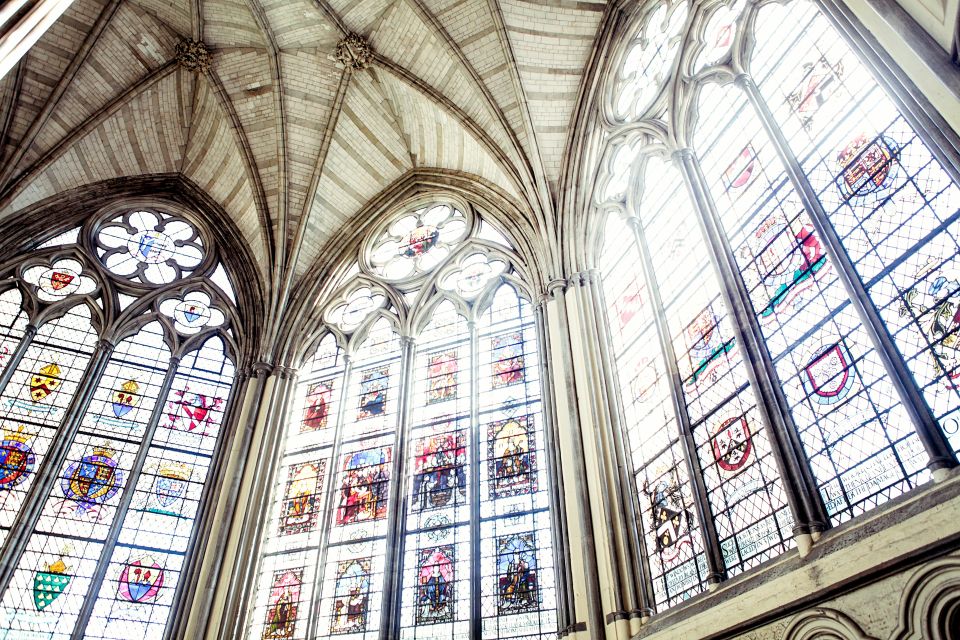
- Galleries and 13th-century triforium views for a different angle on the Abbey
Enter Westminster Abbey Fast, Then Let the Abbey Do the Teaching
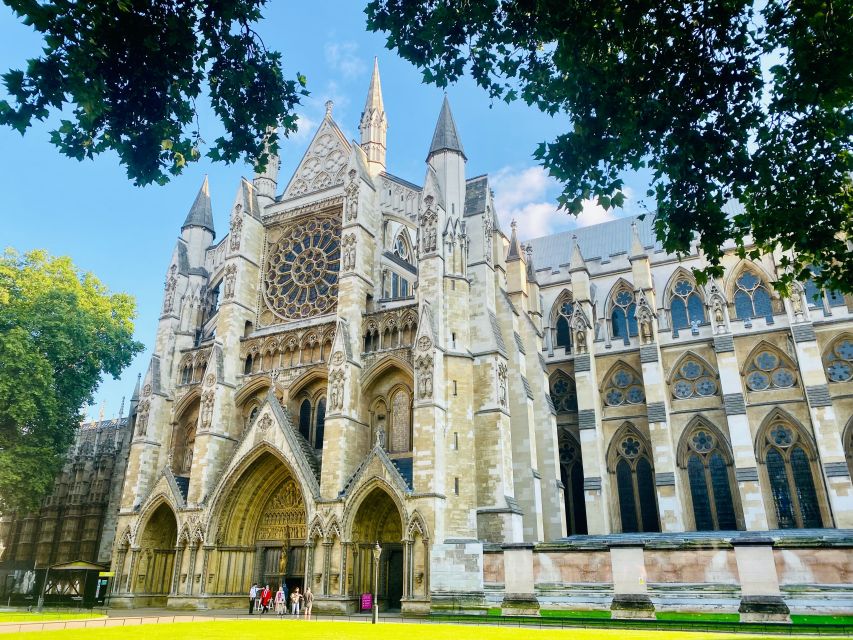
Westminster Abbey has a way of feeling overwhelming at first. There are statues, tombs, chapels, memorials, and ceiling details all competing for your attention. What makes this private tour work is that you’re not left to guess where to start or what matters most. You get a route and an explanation that turns the space into a guided timeline.
The skip-the-line part matters because your time is short: the tour runs about 2 hours. If you’re arriving on a busy day and you spend time waiting, you lose the chance to settle into the deeper parts of the Abbey. With the separate entrance, you can get going and focus on the meaningful sights—coronations, burials, and the big artistic features that define the building.
Also, since this is a private group, your guide can shape the pacing to your questions. If you want more detail on a Tudor family feud or you’re more interested in authors and scientists, you can usually steer the conversation.
You can also read our reviews of more private tours in London



Meeting Point: The West Side Shop and a Clear Start
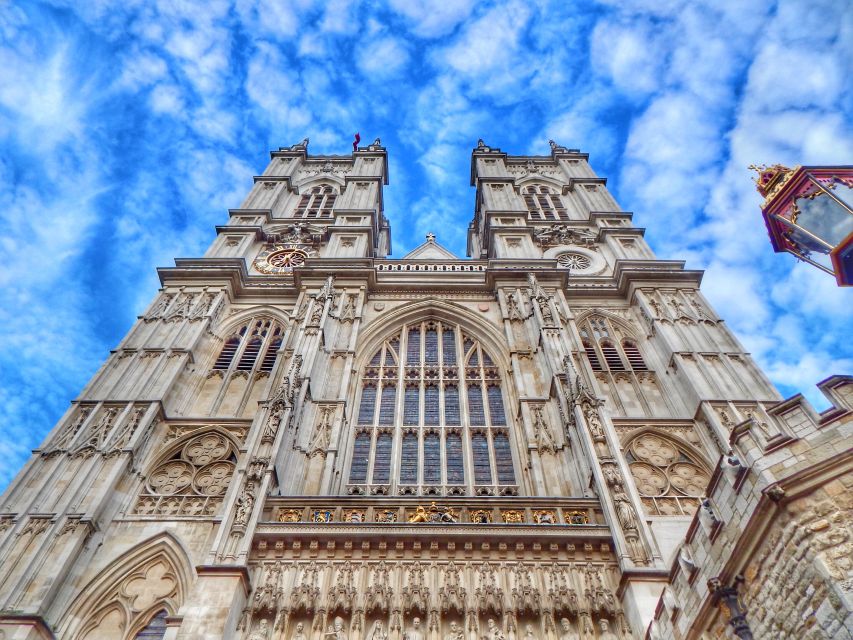
You meet your guide outside the official Westminster Abbey shop at the base of the western side of the Abbey. Your guide will be holding an Urban Saunters sign, so you’re not wandering around trying to match a face to a listing description.
A practical tip: wear comfortable shoes. Even a “short” visit inside a historic church involves lots of walking and standing. Bring water, especially if you’re visiting in warmer months, and plan for changing weather because the tour happens rain or shine.
You’ll also want ID ready. The Abbey requires passport or an ID card, including for children.
How the Coronation Story Becomes Real
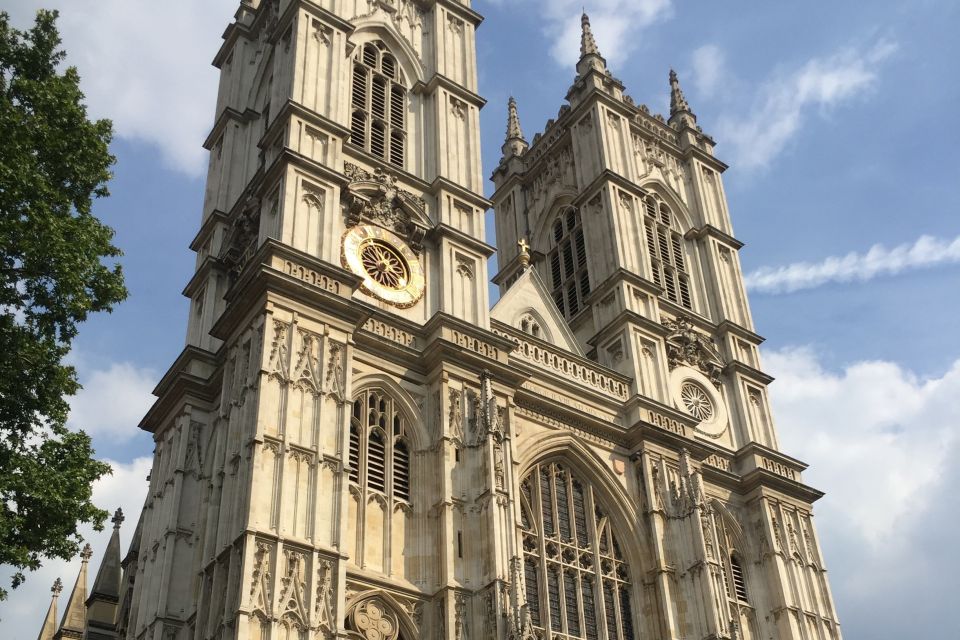
One of the most useful parts of the tour is how it organizes coronations into a clear sequence: you’ll learn where every coronation from William the Conqueror to Charles III took place. Instead of learning dates in a vacuum, you connect the names to the actual physical spaces inside Westminster Abbey.
The emotional payoff comes when you see the Coronation Chair. Your guide will point out that it’s a 700-year-old centerpiece for the ceremony tradition. It’s one thing to read about monarchy; it’s another to stand in the same building where the ritual is explained through the layout and architecture.
I also like that the guide frames coronations as a mix of politics, religion, and performance. You’ll understand why Westminster Abbey became the stage for that long-running drama, and you’ll start noticing how art and stonework reinforce authority.
Royal Weddings, Court Intrigue, and the Tudor Brothers-and-Sisters Energy
Westminster Abbey isn’t only tombs and crowns. It’s also a place tied to weddings and family power plays. You’ll hear about the romance and ceremony of seventeen royal weddings, including the wedding of William and Kate.
Then the tone shifts—because the Abbey also reflects conflict. This is where the Tudor siblings come into focus: the guide will show where Queen Elizabeth and Queen Mary were buried, including the feuding family context that tends to turn history into something more human. You’ll stop thinking of them as “two names on a timeline” and start seeing them as leaders surrounded by rivals, shifting loyalties, and intense religious conflict.
If you like political history that feels personal, this portion delivers. If you prefer a strictly chronological tour, this section still works because your guide ties relationships back to real places within the Abbey.
The “Who’s Buried Here?” Route That Actually Helps You Remember Names
At Westminster Abbey, it’s easy to get dazzled and forget what you saw. The tour solves that by spotlighting major burials you’ll recognize, grouped in a way that helps your brain hold onto the details.
You’ll see the final resting places of major figures such as:
- Geoffrey Chaucer
- Rudyard Kipling
- Charles Dickens
- Isaac Newton
- Stephen Hawking
- Charles Darwin
The value here isn’t just celebrity gravity. It’s the idea that Westminster Abbey became a national memorial space where culture and science sit alongside monarchy. When you connect those names to the location, it stops feeling like trivia and starts feeling like context for how Britain’s identity formed over centuries.
If you’re traveling with kids or teens, this section can be a lifesaver. Even if they don’t care about coronation history, they often perk up when the guide points out something like Newton or Darwin and explains the long arc of British achievement.
You can also read our reviews of more tours and experiences in London






Henry VII Chapel and 16th-Century Stonework Up Close
Buildings tell stories through craft, not just through names. One of the visual anchors on the tour is the Henry VII Chapel, which the guide uses to explain how religious space and political power share the same stage.
You’ll also be shown details connected to 16th-century stonework, plus elements like portraits of modern martyrs. That mix matters. Westminster Abbey isn’t frozen in medieval time. It continues to absorb new layers of meaning, so your tour doesn’t feel like you’re only stuck in the past.
This section is a good time to slow your eyes down. Look at the stone details, notice how the decoration supports the theme of the chapel, and let the guide connect symbolism back to real people and events.
Galleries, Secrets, and the View from the Triforium
The tour includes a stop in the galleries, where you get a chance to see the Abbey differently. This matters because Westminster Abbey is not designed to be understood from street level alone. The galleries give you a sense of scale and help you understand how different parts of the building relate.
You’ll also be guided toward the views from the 13th-century triforium. That elevated perspective can make the architecture feel less like scattered monuments and more like one big designed system. It’s also where you get the “oh, so that’s how it all fits” moment.
If you’ve ever been in a cathedral and felt like you saw the floor but not the building, this is the correction. You’re not only looking; you’re learning how the Abbey is constructed to guide attention.
Flying Buttresses, Gargoyles, and the Fun Details You Might Miss
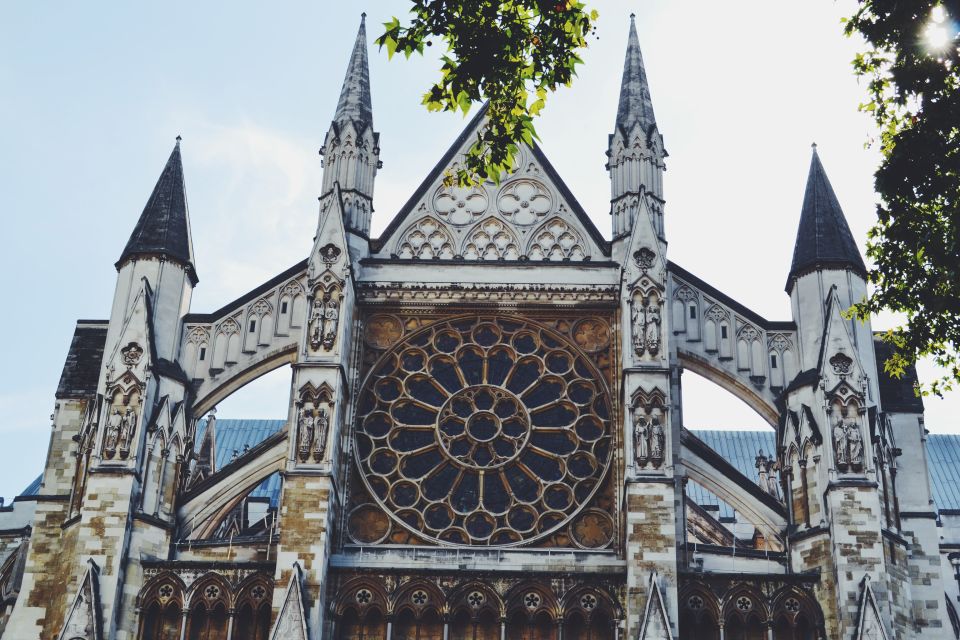
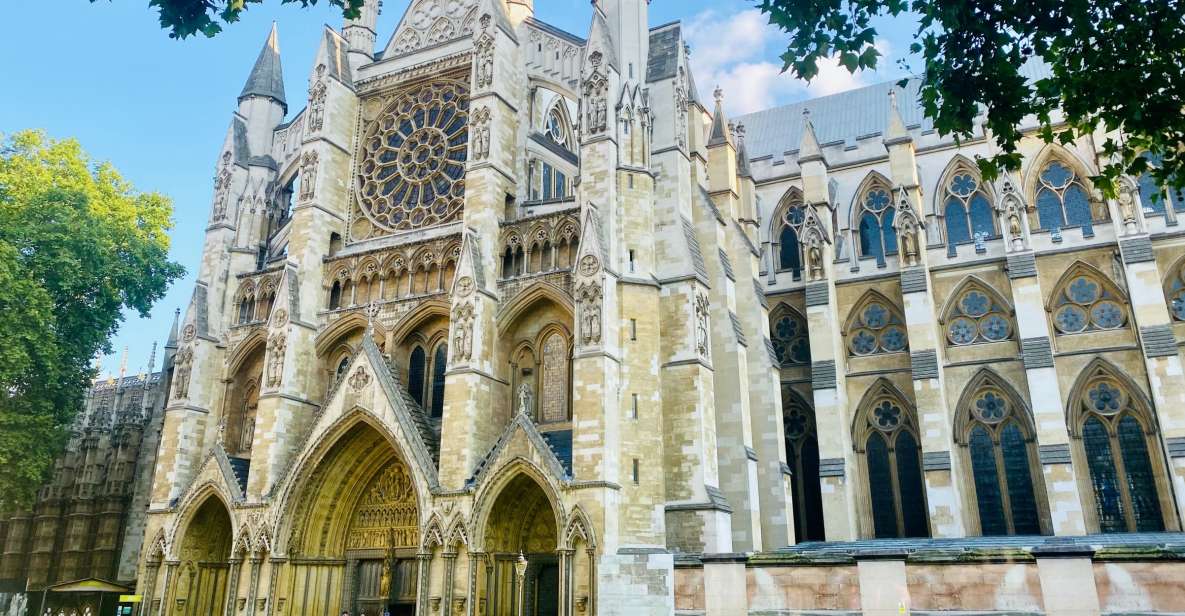
Westminster Abbey blends solemnity with stone craft and a dose of practical engineering. During the tour you’ll see the flying buttresses and ornate carved gargoyles.
This is a section that often surprises people. You’re expecting tombs and royalty, but the exterior-style stone details are part of what makes the Abbey feel alive as a crafted space rather than just a memorial hall.
It’s also a good reminder that medieval and later builders weren’t only concerned with ceremony. They had to solve structural problems, and they did it with style. Your guide will connect these features back to why the Abbey looks the way it does.
What the Tour Actually Costs, and Why It Can Be Worth It
The price is $337 per person for a 2-hour private tour that includes an English-speaking Blue Badge guide and entrance tickets. That’s not a bargain price, and you shouldn’t treat it like a quick museum add-on.
Where it earns value is in two places:
1) Your time and focus. Westminster Abbey is a major stop, which means crowds and time pressure. Skip-the-line helps, but the bigger win is that the guide gives you a route tied to big story beats: coronations, royal burials, major famous figures, and key architectural features.
2) Private guidance beats self-guided confusion. If you walk in on your own, you’ll see a lot and remember bits. With a guide, you’ll leave with a clearer sense of what you saw and why it matters, especially for the Tudor connections and the “who is buried here” landmarks.
If you’re a small group and you want one solid, high-impact experience, it can feel fair. If you’re solo and your budget is tight, you might decide to do a less structured visit. But for families, history lovers, and anyone who wants the Abbey to make sense fast, this price can be justified.
Practical Notes You’ll Want to Plan For
A few realities make this tour smoother:
- Photography and video: video recording isn’t allowed, and photography inside isn’t permitted. If you’re the type who likes to capture every tomb, adjust expectations.
- Restrictions: no luggage or large bags. Keep what you bring minimal.
- Church operations: the Abbey is a working church, and it can face short-notice closures or changing opening hours.
- Weather: it’s rain or shine. Wear layers and shoes that can handle wet ground.
On accessibility: this tour is not suitable for people with mobility impairments and not suitable for wheelchair users. That’s important because the experience is built around active movement through a historic site.
One more note: if you enjoy flexibility, the booking options offered for this activity include free cancellation up to 24 hours in advance and reserve now & pay later.
Who This Tour Suits Best
This is a strong match if you:
- Want a focused Westminster Abbey experience in only 2 hours
- Care about coronations, royal families, and major British cultural figures
- Prefer a private guide who can shape the pace and answer questions
- Travel with kids who respond well to storytelling tied to real places
It’s not ideal if you:
- Need wheelchair-friendly accessibility
- Expect lots of time for independent wandering and photos
- Want a full day where you can slowly revisit every monument on your own
Should You Book This Westminster Abbey Private Tour?
I’d book it if you want to get from confused visitor to informed history reader fast. The combination of skip-the-line access, a Blue Badge guide, and a clear focus on coronations, key chapels, and famous burials makes it easier to leave the Abbey with names and meanings tied to the exact spots you saw.
Skip it if you’re on a tight budget, need heavy mobility support, or you’re hoping to spend most of your time taking photos at your own pace. Westminster Abbey rewards wandering, but a tour like this rewards attention.
If your goal is the best use of limited time, and you want the Abbey to feel like a story you can actually follow, this is a solid choice.
FAQ
How long is the Westminster Abbey private tour?
The tour duration is 2 hours.
Where do I meet the guide?
Meet your guide outside the official Westminster Abbey shop at the base of the western side of the Abbey. The guide will be holding an Urban Saunters tour sign.
Does this tour include skip-the-line entry?
Yes. You’ll use skip-the-line access through a separate entrance.
What’s included in the price?
The tour includes an English-speaking Blue Badge guide and entrance tickets.
Are food and drinks included?
No. Food and drinks are not included.
Can I take photos or record video inside the Abbey?
Photography inside isn’t allowed, and video recording is not allowed.
Is the tour suitable for wheelchair users or people with mobility impairments?
No. It is not suitable for people with mobility impairments and wheelchair users.