REVIEW · LONDON
London: Freud Museum Entry Ticket
Book on GetYourGuide →Operated by Freud Museum London · Bookable on GetYourGuide
Freud’s home in London has gravity. You walk through Freud’s Study and encounter the psychoanalytic couch in the place it was used, plus rooms that connect Sigmund Freud and Anna Freud to the beginnings of psychoanalysis.
I especially like the way the museum shows big ideas through small, specific objects: the desk, the seating setup, and the rooms arranged as they were. One potential drawback is that the experience depends on your comfort with psychology themes and a more reflective pace rather than hands-on surprises.
If you’re expecting a fast tour of famous rooms, plan for a longer sit-down: the audio guide carries the story room by room, and the visit benefits from slowing down. I also really like Anna Freud’s Room, because her work is presented as a continuation, not an appendix. The one key catch is you must bring your own phone and headphones for the audio guide.
In This Review
- Key highlights you can’t miss
- Why Freud’s London home feels different from a typical museum
- Price and value: what $19 buys you in real terms
- Getting oriented: the back-of-house entrance and a smooth start
- Freud’s Study: the emotional center of the visit
- The desk, antiquities, and the chair built around a posture
- The Dining Room: family story meets the origin of ideas
- Anna Freud’s Room: child psychoanalysis, personal space, and continuity
- Dalí’s portrait and the Vienna-to-London bridge
- The 20-minute film: voices, recordings, and city echoes
- Finishing in the garden: a calm exhale after the heavy themes
- Who should book this ticket, and who might want to think twice
- Should you book the Freud Museum London entry ticket?
- FAQ
- What’s included with the London Freud Museum entry ticket?
- Do I need to bring headphones for the audio guide?
- How long is the experience?
- Where do I enter the museum?
- What rooms can I expect to see?
- Is there a guided option included in the ticket price?
Key highlights you can’t miss
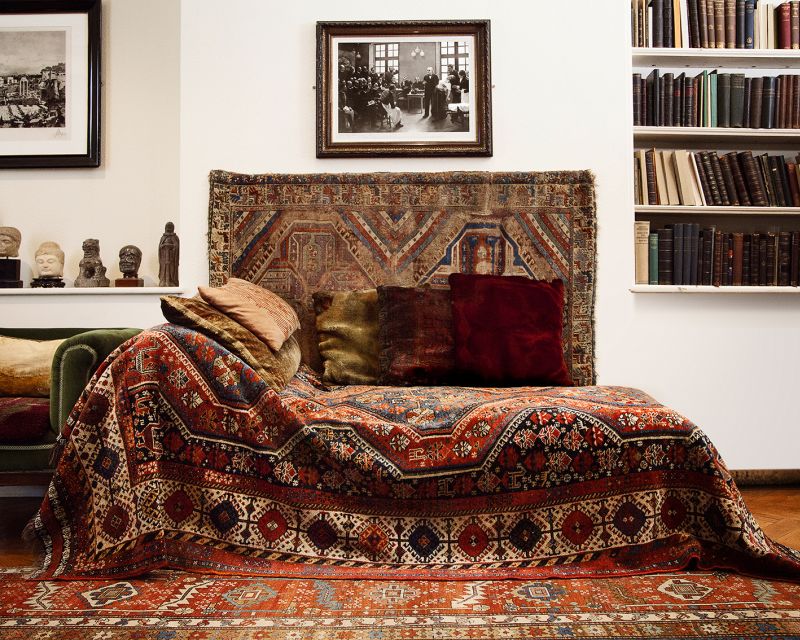
- Freud’s Study preserved as he left it, including the couch and desk
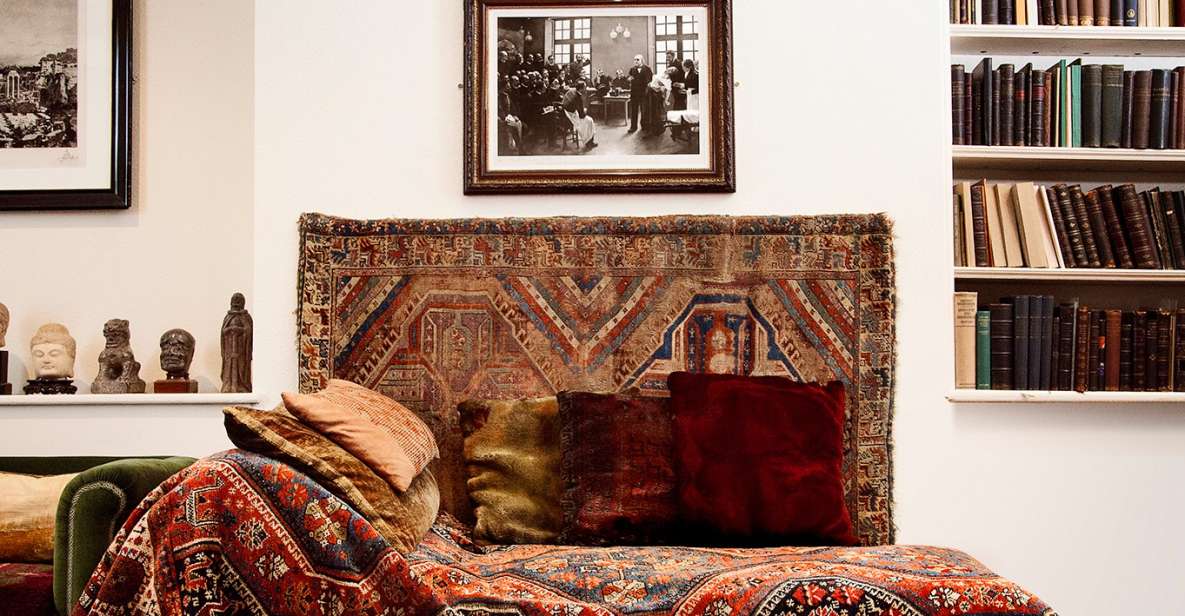
- The world-famous psychoanalytic couch, plus the chair designed for his preferred posture
- Anna Freud’s Room, with her couch and personal collections
- Salvador Dalí’s portrait of Freud, tied to how they met in London in 1938 (via Professor Ades’ article on Dalí’s sketches)
- A 20-minute film with Anna’s voiceovers and a rare recording from Freud
Why Freud’s London home feels different from a typical museum
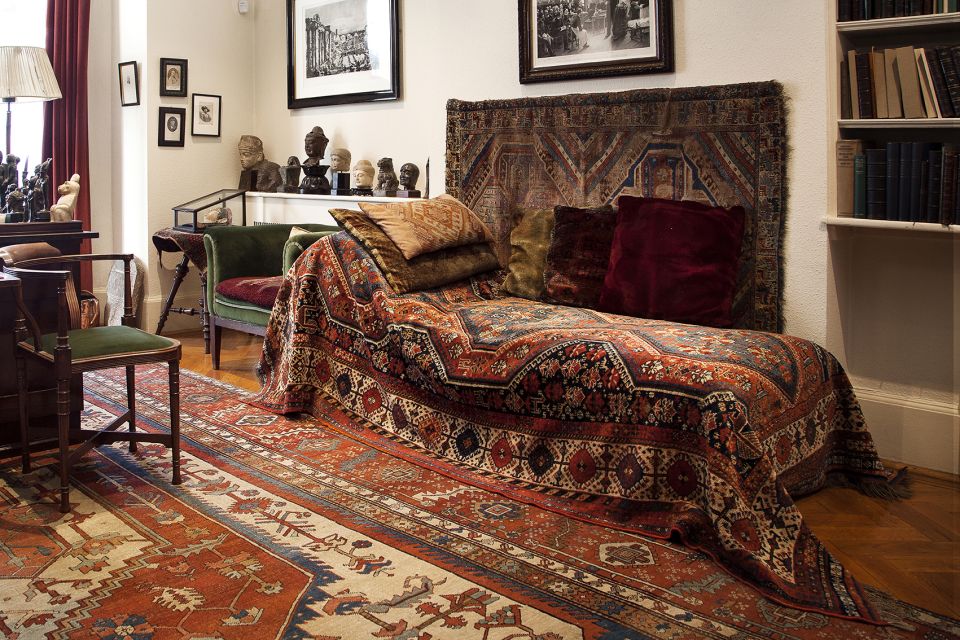
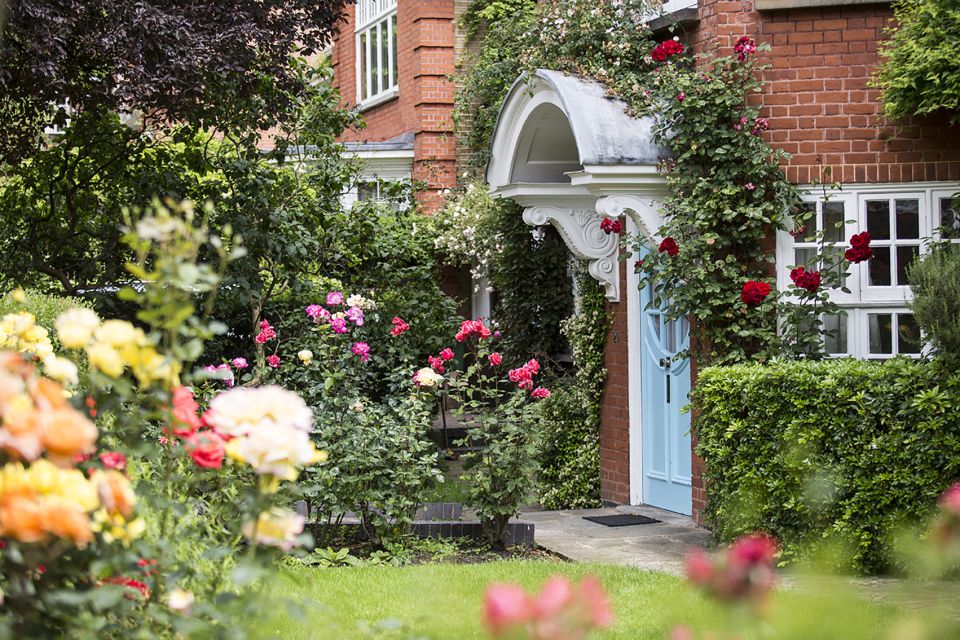
Most museums show you artifacts. This one shows you a working life. The Freud Museum London is the final home of Sigmund Freud, and it also preserves his daughter Anna Freud’s rooms—so the building doesn’t feel like a set. It feels like someone stepped out and will be back any minute.
What makes the visit click is the focus. You aren’t just learning psychology terms. You’re looking at how Freud thought in a physical space: the couch, the desk, the seating posture, even the way the rooms move you from one stage of the story to the next.
You’ll start to understand something important for your own travel style: this is a museum where atmosphere matters as much as content. If you like places that reward quiet attention, you’ll be in your element.
You can also read our reviews of more tours and experiences in London


Price and value: what $19 buys you in real terms
The entry ticket is listed at $19 per person, and for this specific museum, that price can feel fair. You’re paying for more than a guided narrative. You’re paying to stand in Freud’s actual study and see objects that are tightly linked to the early practice of psychoanalysis.
The value gets better because your ticket includes an audio guide plus access to the rooms that cover both the personal side of the Freud family and the development of psychoanalysis. Add in that there’s a free tour from Thursday to Saturday at 2pm, and you have a chance to hear the museum story in a more guided, human way without upgrading your cost.
My practical take: this works best when you plan to spend time. If you only skim, the price might feel high. If you settle in, take the audio guide seriously, and watch the film, you’ll get your money’s worth.
Getting oriented: the back-of-house entrance and a smooth start
Your meeting point is simple: go to the back of the house and enter through the shop. That matters because it sets your expectations. You’ll begin in the retail area, then move into the museum experience with less confusion than if you were trying to guess the main door.
Before you go wandering, set yourself up properly for the audio guide. The museum provides the guide, but you need to bring your own setup—so have your phone ready and bring headphones. If you forget, you’ll lose a big part of what makes this place work.
Then give yourself one small gift: stand for a minute when you enter each room. Even without being told, you’ll notice how the museum leads your eye from key objects to story panels and then to the next space.
Freud’s Study: the emotional center of the visit
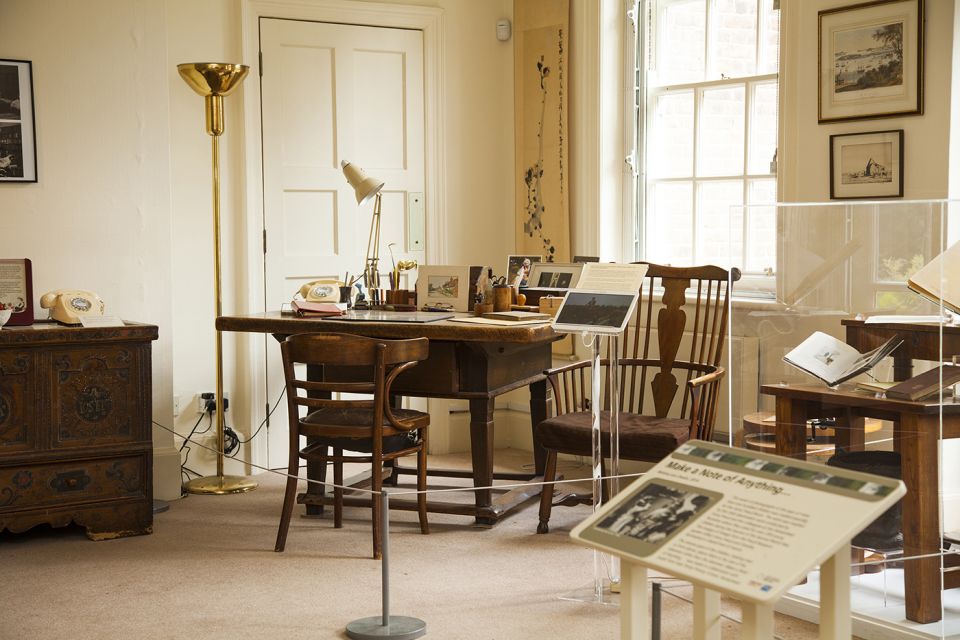
This is the room people talk about, and for good reason. Freud’s Study is preserved as he left it, and it doesn’t feel like a staged reenactment. It feels like you’re being asked to pause and look.
You’ll spend time here with some of the most recognizable elements:
- The world-famous psychoanalytic couch
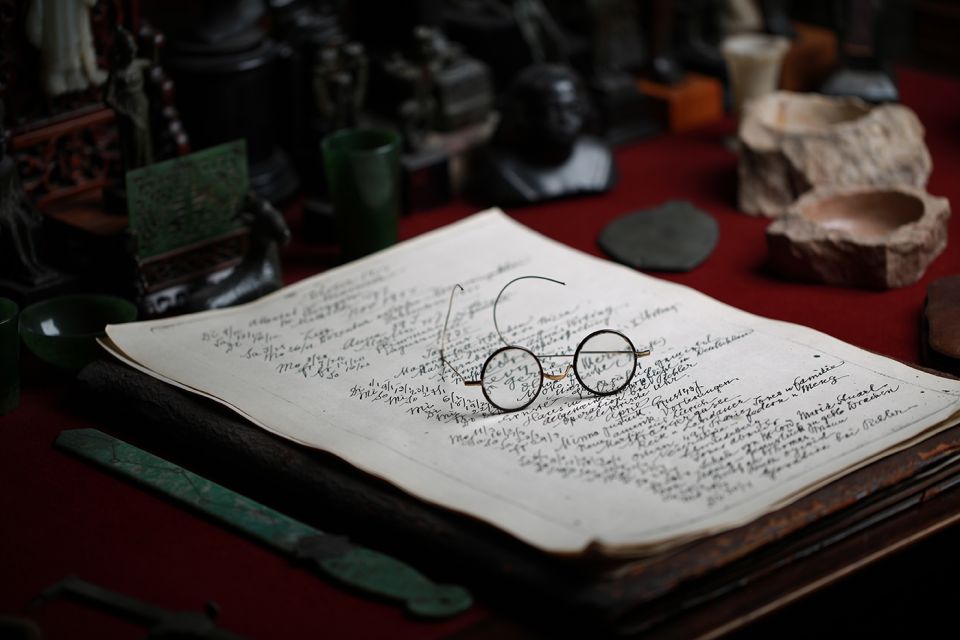
- Freud’s desk, where he placed his favourite antiquities
- A unique chair designed for his preferred seating posture
The effect is surprisingly powerful. It’s not only because the couch is famous. It’s because the room shows how practice and personality can live in the same physical space. You can almost imagine a session beginning, ending, and starting again.
If you like design and furniture details, this is a standout. The couch isn’t just a prop. It becomes a clue to how the study was meant to function.
The desk, antiquities, and the chair built around a posture
Some museums treat furniture like decoration. Here, the details feel intentional. Freud’s desk and the antiquities he kept there help you connect the dots between intellect and everyday habit. You’re not only looking at psychology history; you’re seeing how personal curiosity and collecting can shape a mind at work.
Then there’s the chair—unusual, almost character-like. The museum notes it was designed especially for Freud’s preferred seating posture: legs over one arm. That tiny fact changes how you view the study. It’s a reminder that psychoanalysis isn’t presented here as theory floating above daily life. It’s presented as lived practice, down to how someone sits.
If you’ve ever wondered why old rooms feel different, this is why. The objects are arranged around real comfort and real routines.
You can also read our reviews of more museum experiences in London





The Dining Room: family story meets the origin of ideas
After the Study, the visit shifts tone. In the Dining Room, you’ll learn about Freud’s family story and the story of psychoanalysis. This is where the museum stops being only about rooms and becomes about context.
For you, this is a helpful pacing tool. The Study pulls you into atmosphere. The Dining Room gives you the narrative spine, so when you later see Anna Freud’s rooms, the story doesn’t feel like a separate exhibit. It connects to the same world.
You’ll also start to understand why this museum is worth visiting even if you’re not a psychology buff. The human story is the delivery system for the ideas.
Anna Freud’s Room: child psychoanalysis, personal space, and continuity
Anna Freud’s presence is a major reason this museum feels more complete than a single-founder exhibit. In Anna Freud’s Room, you’ll learn about her pioneering work on child psychoanalysis. You’ll also see her couch and collections, which is important because it keeps the focus on practice, not just legacy.
My favorite part here is the sense of continuation. Instead of treating Anna as an add-on, the museum frames her rooms as part of the same living thread. She’s shown as a thinker who worked with the family foundation, then built her own direction.
If you’re someone who likes women’s history in a straightforward, non-performative way, this section delivers. It doesn’t require you to be looking for it. It’s simply there, anchored to objects and room detail.
Dalí’s portrait and the Vienna-to-London bridge
Alongside Anna Freud’s Room, you’ll see a portrait of Sigmund Freud by Salvador Dalí. The museum also gives you a way to connect that artwork to the family story: you can learn about their meeting in London in 1938 through Professor Ades’ article on Dalí’s sketches of Freud.
This is a clever museum move. It links psychology history to surrealism without forcing a long academic lecture. For your visit, it helps because it offers a second doorway into the experience. Even if psychoanalysis isn’t your main interest, you can still appreciate how art and public image traveled with Freud.
In other words, the museum gives you options. You don’t have to follow one track. You can follow what grabs you that day.
The 20-minute film: voices, recordings, and city echoes
In the next room, you can watch a film that runs about 20 minutes. This part is a good reality check if you’ve been reading slowly and concentrating hard.
The film includes voiceovers from Anna Freud and a rare recording from an interview with Sigmund Freud, plus footage from Vienna and London. That mix is the point. It turns the museum from static rooms into a moving timeline.
I like this section because it also helps you interpret the earlier objects. When you see the couch and then hear voices connected to the family, the museum starts to feel less like an exhibit and more like a living memory.
Tip: plan to watch the film without multitasking. It’s short, but it works best when you let it land.
Finishing in the garden: a calm exhale after the heavy themes
At the end of your visit, spend time in Freud’s peaceful garden. It’s not just a pretty exit. It’s a mental reset.
After sitting with ideas about people, thoughts, and emotional life, the garden gives you breathing room. You’ll likely find your mind slows down a notch here, which makes the whole experience stick better when you leave.
If you want a smooth ending, this is the time to pause, take a few photos if allowed, and simply watch the space do its job.
Who should book this ticket, and who might want to think twice
You’ll probably love this if you:
- Want a museum visit that feels like you’re walking through a real life, not a theme park
- Like psychology history, or you’re curious about how ideas start in actual rooms
- Enjoy object-focused storytelling—furniture, desks, and personal collections
- Also like art crossovers, like Dalí, and the way public figures meet history
You might hesitate if you:
- Want lots of action, interactive activities, or quick “see it all in 30 minutes” sightseeing
- Prefer broad, general museum tours rather than themes anchored in one family and one field
Should you book the Freud Museum London entry ticket?
Yes, if you want an unusually personal London experience built around Freud’s Study and the tangible details of psychoanalysis’ early world. The ticket price can feel like a good deal because your money supports preserved rooms, a full audio guide, and the option for the free tour (Thursday to Saturday at 2pm) plus a short film.
If you do book, bring your phone and headphones, plan to spend real time in the Study and the Anna Freud rooms, and don’t rush the 20-minute film. Do that, and you’ll leave with more than facts—you’ll have a strong sense of how a major idea was carried through daily life.
FAQ
What’s included with the London Freud Museum entry ticket?
Admission and an audio guide are included. A free tour runs Thursday to Saturday at 2pm.
Do I need to bring headphones for the audio guide?
Yes. The audio guide requires headphones and a phone.
How long is the experience?
Plan for up to 1 day. The on-site film runs about 20 minutes.
Where do I enter the museum?
Go to the back of the house and enter through the shop.
What rooms can I expect to see?
You’ll visit Freud’s Study and Dining Room, plus Anna Freud’s Room. You’ll also be able to watch the film and spend time in the peaceful garden.
Is there a guided option included in the ticket price?
Yes. A free tour is available Thursday to Saturday at 2pm.