REVIEW · LONDON
London Transport Museum One Day Ticket
Book on Viator →Operated by London Transport Museum · Bookable on Viator
London’s transit story is strangely fun. With the London Transport Museum ticket in Covent Garden, you get a self-paced visit through iconic buses, trams, and Tube history—plus the world-first underground trains theme. I especially love the way the exhibits connect transport to how the city grew, and I really like the All Aboard playzone that turns kids into conductors and drivers. One drawback: school holidays can make the museum loud and busy, so you may want to time it for calmer hours.
You can plan this visit around your day with available time slots, and most people should find it easy to participate. The ticket is priced at $33.76 per person for about 2 hours on-site, and you’ll pay for entry only—food and drink are extra at the cafe-bar.
In This Review
- Key Things to Know Before You Go
- London Transport Museum: What You’re Really Buying
- Entering The Museum and Getting Your Bearings Fast
- Covent Garden Location: Why This One Works as a Day Plan
- The Heart of It: London’s Transport Story Through Vehicles and Maps
- Don’t Skip the Iconic Tube Map and Poster World
- All Aboard Playzone: Hands-On Fun That Doesn’t Feel Like Babysitting
- Three Floors of Stuff to See: How to Work the Layout
- Practical Timing: How Long You Really Need
- Price and Value: Is $33.76 Worth It?
- Food, Canteen, and the Gift Shop Stop You’ll Actually Want
- When to Go (and When to Skip It)
- Should You Book the London Transport Museum Ticket?
- FAQ
- How long does the London Transport Museum One Day Ticket take?
- Is the ticket self-paced?
- What is included with the ticket price?
- Is food included?
- What language is the experience offered in?
- Can I use a mobile ticket?
- Are service animals allowed?
- What’s the cancellation window?
Key Things to Know Before You Go
- Self-paced time slots: Pick a start time that fits your schedule, then go at your own pace once inside.
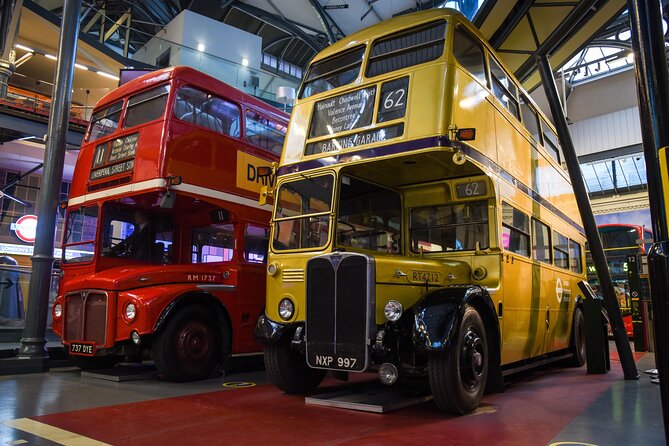
- Vintage vehicles meet big city change: You’ll see transport tech from horse-drawn days through steam and electric underground trains.
- All Aboard playzone for families: Kids can pretend to run vehicles, not just watch them.
- Multi-floor layout and indoor movement: There’s buggy access and a lift so you can reach other floors and displays.
- Expect crowds during school breaks: If you want quiet viewing, avoid holidays when kids are out in force.
London Transport Museum: What You’re Really Buying
This ticket is simple: you’re paying for entrance to one of London’s most focused museums—transport, in all its forms. That matters, because instead of trying to cover everything about London at once, the museum zeroes in on how movement shaped daily life, neighborhoods, and the city’s identity.
At a little over $33 per person, the value comes from two things. First, you’re not just looking at posters behind glass. You’re walking through restored vehicles, classic real-world designs, and interactive sections built for different ages. Second, you’re not stuck with a guided tour pace. The experience is built for you to choose what to linger on and what to skip, especially helpful if you’re visiting with kids who want to repeat the fun bits.
The ticket also works well as a “half-day anchor” in central London. Covent Garden is already a magnet for families, couples, and shoppers—so having a museum that’s family-friendly without feeling childish is a big win.
You can also read our reviews of more tours and experiences in London



Entering The Museum and Getting Your Bearings Fast
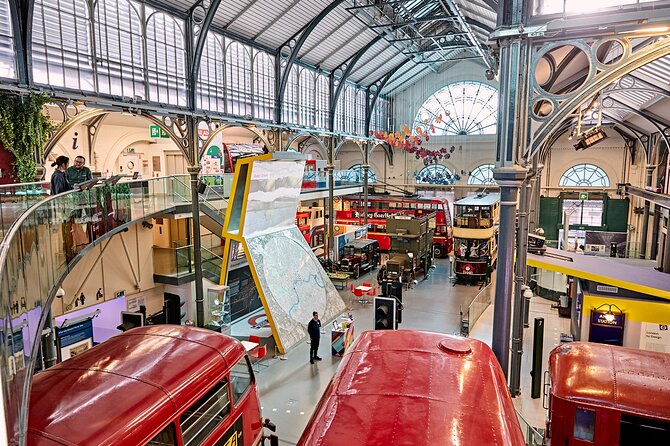
You’ll enter a space that feels like a proper museum, but with a practical, hands-on spirit. The setting is housed in an older building—the kind of place that makes you slow down for a moment and look around before heading into the displays.
One thing to plan for: the museum can feel a bit confusing at first, especially if you come in with a stroller or you’re trying to quickly find the playzone. My advice is to give yourself a short “settle in” window. Take a lap at the beginning to orient yourself—then switch to a focused route. That way you don’t spend your best energy wandering when your kids are already getting restless.
If you’re with a young family, look for the features that make movement easier. The museum has buggy access, and there’s a lift to reach other floors. That means you can actually see the displays across levels without turning your visit into an obstacle course.
Covent Garden Location: Why This One Works as a Day Plan
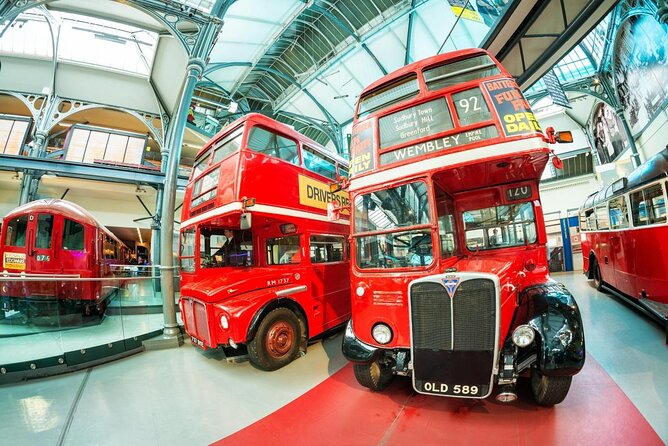
This is not a museum you have to build a whole trip around. It lives in central London, near public transportation, which is handy when your day already includes Covent Garden streets, shows, shopping, and dinner plans.
What this location gives you: flexibility. If you’re planning a full London day, you can fit the museum in as a calm indoor break. If you’re visiting as part of a longer itinerary, it can serve as a “connector” between big sights by giving you a London-themed story that’s different from palaces and churches.
It’s also a good weather hedge. Transport museums are built for the days when you want a comfortable indoor activity with plenty to see.
The Heart of It: London’s Transport Story Through Vehicles and Maps

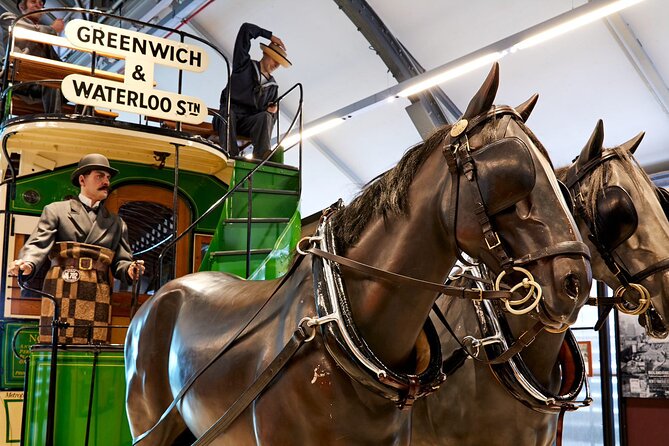
The museum’s main strength is that it tells London’s story through systems, not just scenes. You’ll see how transport developed and how it shaped everyday life—from 18th-century horse-drawn buses to underground railways and the famous Tube map.
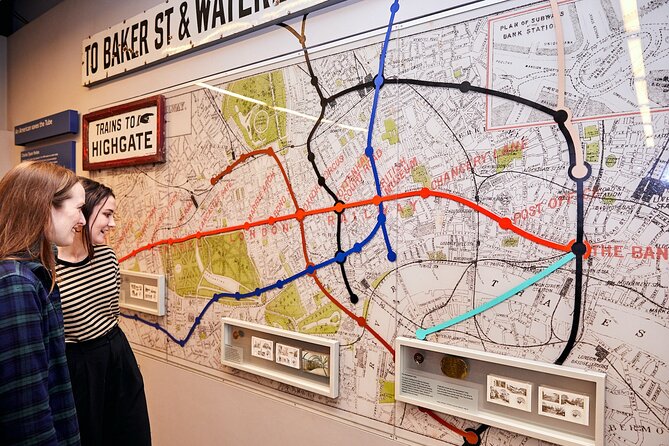
As you move through, pay attention to how the exhibits use specific objects and designs to explain bigger changes. It’s not only about what existed, but why it mattered. For example, you’ll come across the theme of pioneering underground trains—there’s a focus on the world’s first underground steam and electric trains. That kind of detail helps you understand London’s leap forward in public transport, not just admire old pictures.
The museum also leans hard into what people recognize instantly: red buses, black cabs, and trams. Even if you don’t know dates off the top of your head, these are visual anchors. They keep the experience friendly and accessible, and they give you a way to talk with kids about what they’re seeing.
A fun extra: you’ll also notice how transport ties into broader city history, including periods that shaped the country and its infrastructure. It gives the museum an extra layer without making it feel like a history lecture.
Don’t Skip the Iconic Tube Map and Poster World
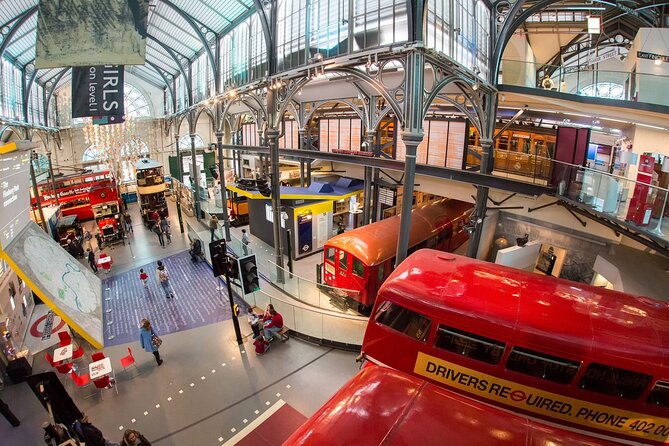
One of my favorite parts of transport museums is how they show the “communication design” behind transit—how people learned where to go and how the system made itself understandable. Here, the museum doesn’t treat the Tube map as trivia. It uses the famous diagram style to show how transport networks became navigable for regular people.
You’ll also see iconic posters and interpretive displays that help you connect design to public life. Even when you’re just walking past, the museum keeps nudging you to look closer—where a poster came from, what it was trying to tell riders, and how branding and wayfinding evolved along with the system.
If you like details, slow down for this part. It’s the kind of section where adults end up learning something unexpected, and kids still get the big-picture idea: transit is both technology and communication.
You can also read our reviews of more museum experiences in London






All Aboard Playzone: Hands-On Fun That Doesn’t Feel Like Babysitting
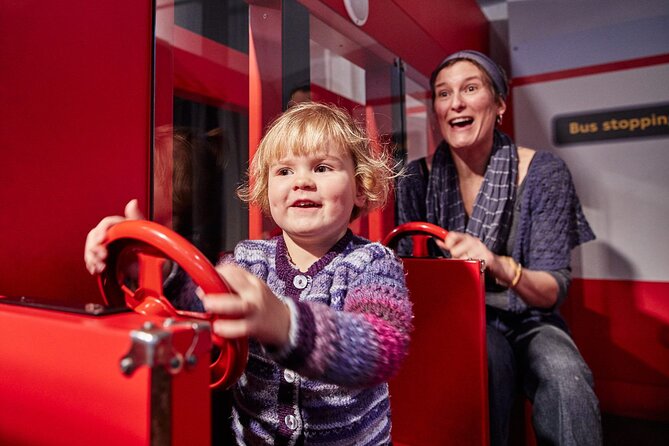
If you’re visiting with children, the All Aboard playzone is the main reason many families leave happy. This is where kids don’t just watch trains and buses—they step into roles like conductors, mechanics, or drivers on interactive vehicles.
That role-play matters. When children can act out a system, they build memory fast. Several families highlight that this kind of interactive play makes the learning stick, and that’s exactly what you’ll feel here: kids ask questions, repeat activities, and usually want to show you what they just “did” inside the play area.
You’ll want to treat the playzone like an activity block, not a quick stop. It’s easy to spend less time there than you planned if you’re caught up in vehicles and exhibits. Then suddenly it’s time to leave, and your kids are still in the middle of a role-play session. So schedule it early or plan for a second pass.
Three Floors of Stuff to See: How to Work the Layout

You’ll have multiple levels and plenty to look at. The museum includes a lift so you can reach displays on different floors without cutting yourself off from part of the collection. For families with strollers, that lift and buggy access can be the difference between seeing everything and giving up halfway.
Some people find the layout confusing at first. That’s normal in museums with multiple galleries and moving sightlines. Your best strategy is to pick a “north star” first: decide whether your priority is the vehicles, the Underground story, or the playzone. Then build your route around that.
I recommend starting with the big transport story areas, then shifting toward family-friendly interactive spaces. That way, if your kids lose energy later, you’re not forced to rush through the most detailed sections.
Practical Timing: How Long You Really Need
The ticket is for about 2 hours of time at the museum. In practice, that can work well if you focus on the major exhibits and hit the playzone once. If you’re visiting with younger kids—or if you know they’ll want to repeat interactive elements—plan closer to the upper end of the visit.
Also, think about what “2 hours” means on a busy day. When it’s crowded, you might spend more time waiting for views or negotiating stroller space. That’s why the museum feels best when you can visit at a calmer time.
Price and Value: Is $33.76 Worth It?
For $33.76 per person, you’re buying entry to a museum that mixes restored vehicles, interpretive displays, and hands-on play. In London, that’s a strong value when you factor in two things:
1) Your time is flexible once you’re in. You’re not paying for a rushed experience. You can spend longer where you care more—vehicles, Underground tech, or interactive kids’ areas.
2) It works for mixed ages. Adults get a meaningful London transport narrative with recognizable icons like buses and cabs. Kids get interactive role-play that doesn’t feel like a token corner.
If your group includes kids, the value rises. When the playzone is a real activity, not just a small distraction, you’re not paying to keep children entertained—you’re paying for an entire museum day that includes them.
If your group is mostly adults and you’re tight on time, you may still find it worth it, but you’ll want to focus. Come with a plan: Underground history, Tube map and wayfinding, and the vehicle galleries.
Food, Canteen, and the Gift Shop Stop You’ll Actually Want
Food and drink are not included, so plan for a break if you need one. The cafe-bar Canteen is on-site, which is useful if you don’t want to trek out for snacks during a museum block.
Then there’s the shop. A museum ticket feels more satisfying when you can bring something home that matches the theme. The transport-inspired gifts help you turn the visit into a souvenir that feels connected to what you saw—not generic London trinkets.
If you’re visiting with kids, the shop can be a great last stop. Use it to end the visit on a positive note rather than trying to negotiate a purchase mid-exhibit.
When to Go (and When to Skip It)
The biggest tip here is timing. If you want a calmer experience and less noise, avoid school breaks and school holidays. Those are the times when kids are running around, energy is high, and it can be harder to focus on exhibits without interruptions.
If you can’t avoid holiday dates, you can still improve your odds. Start earlier or plan a route that spends more time in the sections that feel easier to supervise. Build your playzone time around when your group has energy, not at the point where everyone is tired and hungry.
Quiet viewing isn’t just about comfort. It affects the whole experience. The museum’s story works best when you can actually read the posters and watch how the exhibits explain the evolution of transport.
Should You Book the London Transport Museum Ticket?
I’d book this if you want an indoor, family-friendly London activity in a central area with flexible pacing. It’s especially worth it if your group includes children who enjoy hands-on play, because the All Aboard playzone is the kind of attraction kids remember later.
I’d think twice if your group needs a very quiet museum atmosphere, or if you’re visiting during intense school holiday periods. The museum can get loud, and that can make it harder to enjoy the more detailed exhibits at a relaxed pace.
If you’re curious about how London became London—through buses, cabs, trams, and the Tube—this ticket delivers exactly that, without making you sit through something overly formal. For many families, it’s the kind of day that feels both fun and educational.
FAQ
How long does the London Transport Museum One Day Ticket take?
The ticket is listed for about 2 hours.
Is the ticket self-paced?
Yes. You can explore at your own pace and spend as much time there as you like.
What is included with the ticket price?
Your admission ticket to the London Transport Museum at The Piazza, London (WC2E 7BB) is included.
Is food included?
No. Food and drink are not included, though there is an on-site cafe-bar called Canteen.
What language is the experience offered in?
The ticket is offered in English.
Can I use a mobile ticket?
Yes. It’s a mobile ticket.
Are service animals allowed?
Service animals are allowed.
What’s the cancellation window?
You can cancel for a full refund if you cancel at least 24 hours before the experience’s start time. Free cancellation is available under that rule.