REVIEW · LONDON
Medieval History Walking Tour from The Tower of London
Book on Viator →Operated by London : Medieval History Walking Tour from The Tower · Bookable on Viator
Medieval London hits different when you walk it.
This tour stitches together Tower Hill to St Paul’s with clear, story-driven stops across medieval London’s biggest power centers. I especially love the way the guide makes famous landmarks feel like part of one timeline, not separate postcards.
Two things I like a lot are the focus on medieval cause-and-effect (how one era leads to the next) and the energy of the guiding style. Even on rough weather days, the tour stays fun and moving, not stiff or lecture-y.
One thing to consider: several stops are “pass-by” moments, and some sights may require you to pay separately if you want to go in. If you expect long museum time at each site, you may feel slightly rushed.
In This Review
- Key highlights you’ll actually feel on the street
- Why this 2-hour medieval walk from Tower Hill to St Paul’s is such a smart format
- Tower of London at Tower Hill: start where power and fear were built
- Tower Bridge and the Thames crossing: how the river reshapes the story
- London Bridge and Borough Market: the medieval city’s everyday engine
- Southwark Cathedral and the Bloody Mary era: faith, conflict, and the same stone
- Golden Hinde and Shakespeare’s Globe: from Drake to a rebuilt theatre world
- Winchester Palace ruins: the medieval palace that became a justice problem
- The Thames, Millennium Bridge, and St Paul’s: finish with scale
- Guides matter here: why Mick (and others) make the difference
- Price and value: how $25 holds up for a 2-hour guided route
- What to wear and what to expect day-of
- Should you book this medieval history walking tour?
- FAQ
- How long is the medieval history walking tour?
- Where do I meet and where does the tour end?
- Is the tour in English?
- Do I need to buy admission tickets for the stops?
- How big is the group?
- What’s the cancellation policy?
Key highlights you’ll actually feel on the street
- Tower of London to St Paul’s in one route: you finish where the city’s transport and sightseeing are easiest
- Two Thames crossings: Tower Bridge and the Millennium Bridge bookend great river views
- Medieval London in 10-minute stops: lots of variety without the all-day slog
- WWII and Tudor anchors: HMS Belfast and Drake’s Golden Hinde thread through the medieval-to-early-modern story
- Markets and faith sites included: Borough Market and Southwark Cathedral add everyday texture
Why this 2-hour medieval walk from Tower Hill to St Paul’s is such a smart format
I like short walking tours most when they do two jobs at once: they give you orientation and they give you stories that make the city click. This one starts at Tower Hill and ends at St Paul’s, which is a huge win because it drops you right near major transport options once you’re done.
The timing is also realistic. You get roughly 2 hours with brief stops that keep momentum. That’s great if you’re on a first visit, or if you want medieval London without turning your day into a 6-hour marathon.
And the group size stays manageable, with a maximum of 20 people. Smaller groups tend to feel easier to follow, and it’s easier to ask questions when the guide isn’t fighting the crowd.
You can also read our reviews of more walking tours in London



Tower of London at Tower Hill: start where power and fear were built
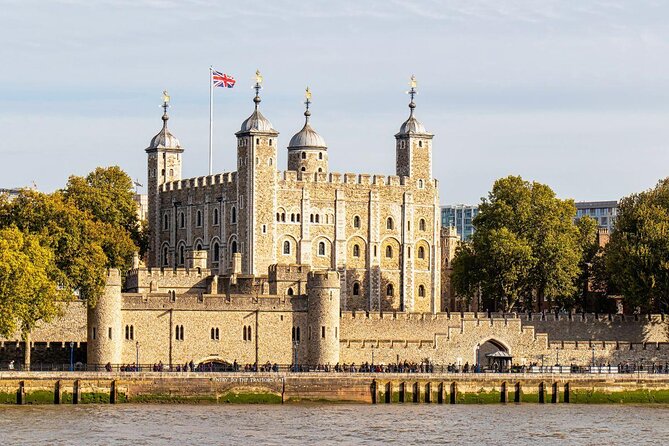
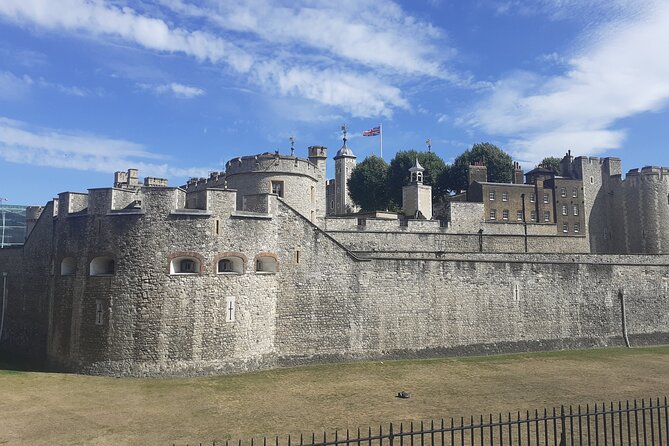
You begin near Tower Hill and then get swept into the orbit of the Tower of London. The guide frames it as a site with layers: it was originally built in 1078 and carried influence from Norman rule through later centuries, right up to the modern day.
This is the part that sets your mindset for the whole walk. The Tower isn’t presented as a scary landmark you stare at from the outside. It’s presented as a political machine: a place where rulers showed control, and where London’s medieval story turns from legend into policy, punishment, and spectacle.
Practical note: this stop is about seeing and hearing, not extended entry time. You’ll pass by, and if you want deeper access, you should be ready for separate admission.
Tower Bridge and the Thames crossing: how the river reshapes the story
Next you cross the Thames via Tower Bridge. This is one of those moves that makes the tour feel “cinematic,” but it also serves a purpose. The guide uses the crossing to connect themes: how London’s geography pushed trade, defense, and movement, even when the city was far less orderly than today.
Then you’re in the next zone of history: HMS Belfast, a famous World War II battleship. The tour links its later conflict role back to how London as a whole became a stage for power in different centuries. You’ll also hear that it took part in the D-Day landings, which is a quick but strong emotional shift from medieval England to 20th-century global war.
If you only want exterior views, you’ll still get value. But if you want to spend time inside HMS Belfast, plan for separate entry since admission isn’t included.
London Bridge and Borough Market: the medieval city’s everyday engine
London Bridge is one of the busiest, most photographed spots in the city, but the tour makes it more than a landmark. You get a big historical arc: beginnings in 43 AD, medieval changes, the 1212 Great Fire of Southwark, then later events like the English Civil War in the 1640s, and onward to modern London.
The key here is perspective. You’ll start realizing that the city you see today sits on repeated cycles of rebuilding, damage, and reinvention. That’s a very medieval way of thinking, even if the dates jump around.
Right after that, the walk moves to Borough Market. The highlight is simple: you pass the 900-year-old market under early Victorian railway arches, and the guide connects it to the idea of one of the oldest food markets in the world. It’s a nice contrast to the political drama of the Tower and London Bridge—food, commerce, and daily life.
You won’t have time to do a full tasting spree here. But you’ll leave with a better sense of where to go later if you want to come back and browse. And on a rainy day, it’s an easy place to feel like London still has layers, even when the weather isn’t cooperating.
Southwark Cathedral and the Bloody Mary era: faith, conflict, and the same stone
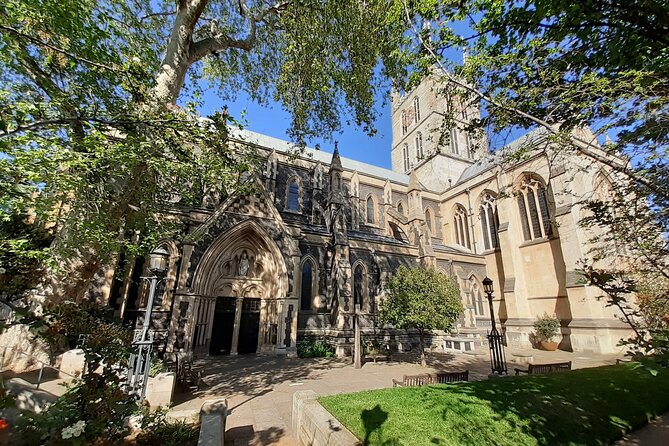
Southwark Cathedral is the stop where the tour turns darker in an interesting way. You’ll hear that worship has existed on the site since 606, and that the cathedral you see has stood since 1420.
The story the guide brings up is that the cathedral was used in the 1550s as a site for heresy trials connected to “Bloody Mary,” the daughter of Henry VIII. That’s not just name-dropping. It helps you understand how a place of worship could also become a tool of state power.
This stop is also free and short, so it’s perfect as a mental reset: you’re not only looking at structures, you’re thinking about how people used them. If you like your medieval London stories to include religion, law, and politics mixed together, this is a strong moment.
You can also read our reviews of more historical tours in London


Golden Hinde and Shakespeare’s Globe: from Drake to a rebuilt theatre world
From Southwark, the tour heads toward Golden Hinde at St. Mary Overie dock. The key story is Sir Francis Drake’s 1577 round-the-world voyage, plus the controversies that surrounded it. This is “late medieval to early modern” territory, but it matters because it shows London’s reach expanding outward.
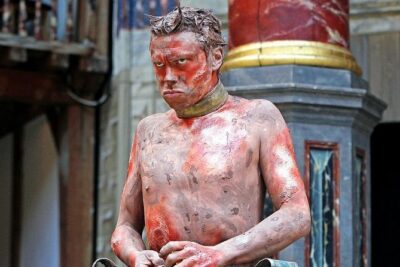
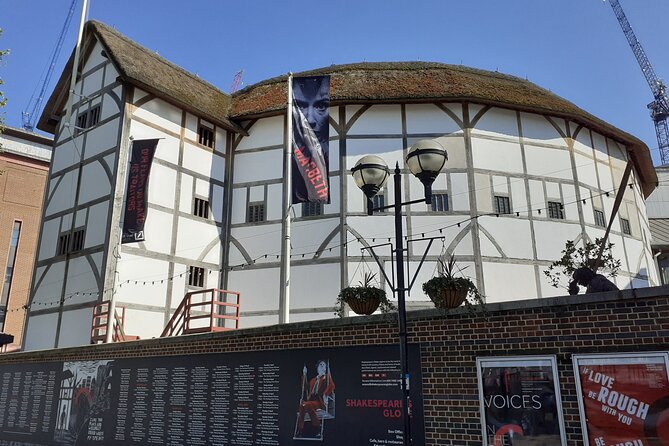
Then comes one of the most visually satisfying parts of the walk: Shakespeare’s Globe Theatre. You’ll be able to take in the Globe’s 16th-century feel, and the guide explains that it was painstakingly rebuilt after a cannon-related fire in 1613.
Even though this isn’t medieval in the strictest sense, it blends well with the tour’s theme. It shows what happens when a city’s power, wealth, and conflicts eventually feed into culture. You’ll also appreciate the timing: you’re seeing this by the Thames, which helps connect art to the same river logic you heard at Tower Bridge.
As with other “not included” stops, if you want to go inside, you’ll likely need separate admission. But just standing here while the guide explains the rebuilding story can still change how you see the site.
Winchester Palace ruins: the medieval palace that became a justice problem
A highlight of the walk is Winchester Palace. You’ll see ruins from the 12th century, once a major and spectacular palace in medieval London. The guide also connects the site to kings and queens across different centuries, which makes the ruins feel less like leftovers and more like a chapter of real power.
The tour also adds two unusual details that make the place stick in your mind:
- It sat in the Liberty of the Clink
- It features what’s described as the country’s oldest prison
Those two facts change how you think about “palace” versus “punishment.” Medieval London wasn’t tidy. Authority could be political, religious, commercial, and judicial, sometimes all in one area. Winchester Palace gives you that messy reality in a way that’s easy to understand.
The Thames, Millennium Bridge, and St Paul’s: finish with scale
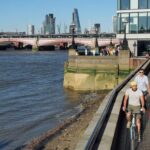
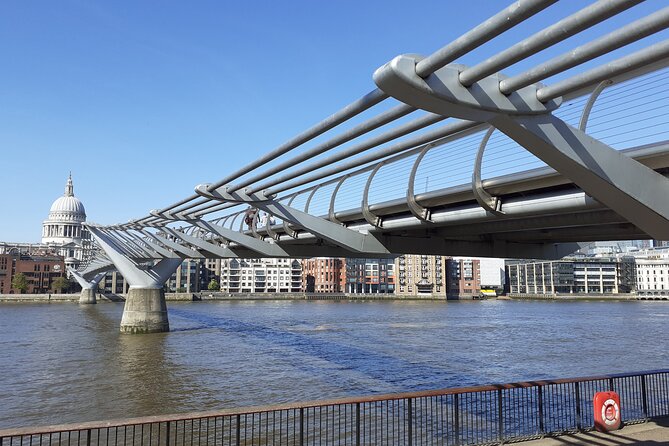
After the historical stops, you get a turn toward big-picture storytelling. The tour includes time by the Thames River where you’ll hear about the river’s 30-million-year history, plus the mention of unpleasant conditions between the 11th century and Victorian times.
That contrast is a clever wrap-up device. The river isn’t only scenery. It’s where London’s trade moved, where waste accumulated, where people lived with consequences, and where later eras tried to fix what earlier ones left behind.
You then cross the Millennium Bridge once more, with views along the river on the way to St Paul’s Cathedral. That’s a strong visual punctuation mark. From here, the skyline opens up in a way that makes the long walk feel like you earned it.
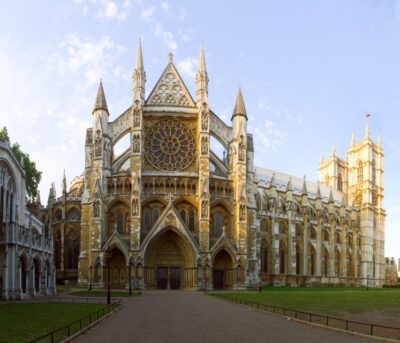
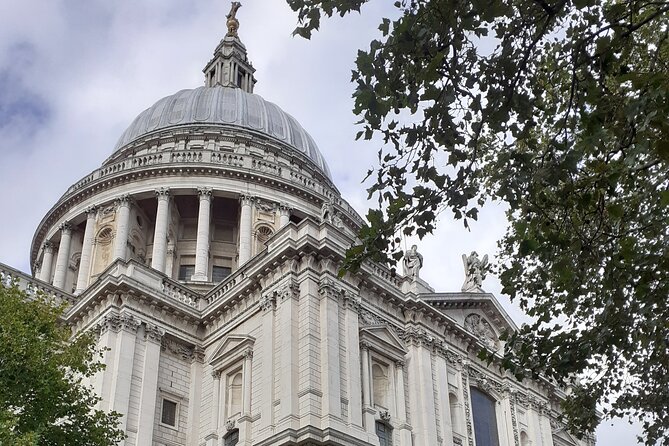
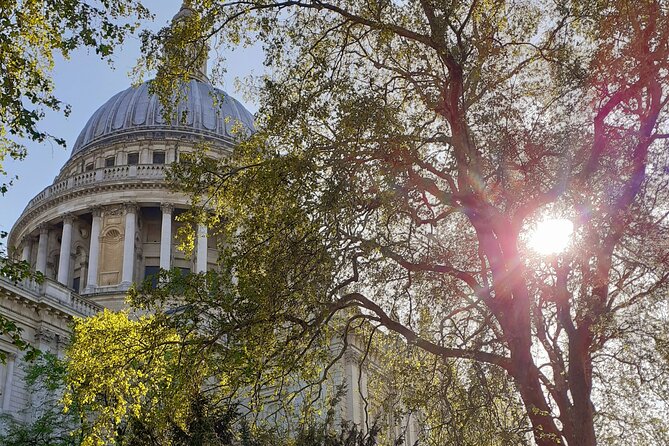
St Paul’s is described as the masterpiece of architect Sir Christopher Wren, with the guide noting it has stood atop Ludgate Hill since the 1670s. You’ll also hear about worship on the site going back to the 7th century, tying your ending back to the earliest chapters you heard at the beginning of the route.
As with the other major sites, admission isn’t included, so this is your “see and learn” finish rather than a full interior visit. But finishing at St Paul’s still feels like the right choice because it’s central, iconic, and easy to keep exploring after the tour ends.
Guides matter here: why Mick (and others) make the difference
This is the kind of tour where the guide’s delivery can make or break it. In the standout reviews, Mick comes up again and again for being entertaining, organized, and genuinely excited about medieval London. People also talk about the guide being good at answering questions, not just reading facts off a page.
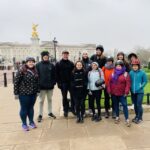
I also like that the tone seems human. There are mentions of humor, group picture help, and even the guide offering practical next steps after the tour. One of the strongest practical tips from the guide experience is to pay attention to the meeting-point instructions sent to you by email, since some map links can be vague.
If you want your walking tour to feel like a conversation with history as the topic, this one is built for that.
Price and value: how $25 holds up for a 2-hour guided route
At $25 per person for about 2 hours, this is priced like a budget-friendly way to get structure and context. The value depends on one thing: what you want from the stops.
A lot of the major sights are “pass by” moments, and several have admission marked as not included. That means you can get value without spending extra money if your goal is stories, orientation, and photos from key viewpoints.
Meanwhile, some stops are marked as free (like London Bridge, Borough Market, Southwark Cathedral, and Winchester Palace ruins, plus the Thames and Millennium Bridge sections). That mix helps keep the tour from feeling like you’re constantly being asked to pay again.
If you’re the type who usually skips paid entry and prefers walking + interpretation, this price is a good deal. If you want to go inside Tower of London, HMS Belfast, Golden Hinde, Shakespeare’s Globe, or St Paul’s, you should budget extra for those separate admissions.
What to wear and what to expect day-of
This is a walking tour, and the route covers multiple major sites. You’ll want comfortable shoes, especially if the weather turns or the ground is slick.
The tour is also designed with short stop windows, so expect a brisk rhythm. The guide will only stop for the allotted time at each location, which is part of why the entire route can fit into about two hours.
Mobile tickets are part of the experience, and the tour is offered in English. It’s also set up for groups, capped at 20, which keeps things from turning into a chaotic crowd shuffle.
Should you book this medieval history walking tour?
Book it if you want medieval London made understandable fast. The route from Tower of London’s Norman beginnings to St Paul’s gives you a timeline you can hold in your head. You’ll also get a mix of political power, faith sites, markets, and a WWII anchor without needing a full-day schedule.
Skip it if you need long time inside museums or expect deep entry-level touring at every stop. This works best when you’re happy learning from the outside, using the guide’s stories to set up what you’ll choose to explore later.
If that sounds like your style, I’d say this is an easy yes. It’s one of those city walks that helps you see London like a connected story, not a list of separate famous places.
FAQ
How long is the medieval history walking tour?
The tour lasts about 2 hours (approximately).
Where do I meet and where does the tour end?
It starts at Tower Hill, London EC3N 4DJ, and ends at St. Paul’s Cathedral, St. Paul’s Churchyard, London EC4M 8AD.
Is the tour in English?
Yes, it is offered in English.
Do I need to buy admission tickets for the stops?
Some stops list admission tickets as not included, while others are free. You may need separate tickets if you want to enter certain sights.
How big is the group?
The tour has a maximum of 20 travelers.
What’s the cancellation policy?
You can cancel for a full refund up to 24 hours before the experience’s start time. If you cancel less than 24 hours before, the amount paid won’t be refunded.