REVIEW · LONDON
Jack The Ripper Walking Tour of London
Book on Viator →Operated by See The Sights Tours · Bookable on Viator
Jack the Ripper sites can feel impossible to map. This walk helps you find the key places fast while staying respectful about the victims. You’ll also get real crime-scene context, not just spooky atmosphere, with a guide who can move quickly without losing the thread. One thing to know up front: the subject matter is dark and adult, so it is not a good fit for kids who aren’t ready for murder and prostitution themes.
I like that the route is practical. You start at Aldgate Station and finish at The Ten Bells, so the walk has a clear spine instead of a wandering “hope for the best” vibe. The small cap also helps: the tour runs with a maximum of 25 people, which makes it easier to hear and keep questions in the mix.
A possible drawback is pacing and physical demands. It’s a walking tour with stops around 10 minutes at a time (longer at the start), and it is not suitable for prams or for guests with walking or mobility difficulties.
In This Review
- Key highlights worth your attention
- Price and time: why this Jack the Ripper walk feels like good value
- Starting at Aldgate Station: the one detail that prevents chaos
- Stop 1: Whitechapel, the 1888 hunting ground that explains everything else
- Stop 2: The Ten Bells pub and the haunting question of a visit
- Stop 3: Goulston Street and the apron clue at the doorway
- Stops 4 to 6: Brick Lane, Spitalfields Market, and Christ Church Spitalfields
- Brick Lane
- Spitalfields Market (E1)
- Christ Church Spitalfields
- Stop 7: St Botolph’s Aldgate and the Church of Prostitutes label
- The part that most impacts your experience: how the guide tells it
- Walking logistics that actually matter (and what to plan around)
- Who this tour is perfect for
- Should you book this Jack the Ripper Walking Tour of London?
- FAQ
- How long is the Jack the Ripper walking tour?
- Where does the tour start and end?
- Is the tour offered in English?
- What’s included with the tour?
- Is this tour suitable for mobility issues or strollers?
- Does it cover mature themes?
- What happens if the weather is bad?
- What is the cancellation policy?
Key highlights worth your attention
- A logical Whitechapel route: you track the core sites without getting lost in the East End
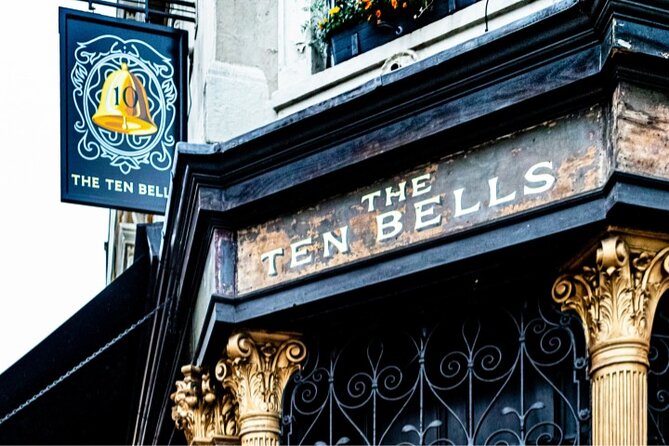
- Ten Bells and the visit question: the most famous stop comes with the big haunting detail
- Evidence-based storytelling: the case includes the apron clue at Goulston Street
- Victims in the spotlight: the framing focuses on people and context, not just the killer myth
- East End landmarks beyond the headlines: Brick Lane, Spitalfields Market, and Christ Church Spitalfields
- A small-group walk: up to 25 people, with guides who keep the story moving
Price and time: why this Jack the Ripper walk feels like good value
At about $19.41 per person for a 2 to 3 hour walking tour, the value comes from how tightly the experience is built. You’re not paying for a theater show or a long bus ride with a few quick photo stops. You’re paying for a guided route through Whitechapel and nearby streets, with enough time at key points to make the story stick.
Also, this kind of tour works best when you don’t waste time. If you try to self-tour Jack the Ripper sites on your own, you’ll spend a lot of energy figuring out where to go next. Here, the route is already shaped around the case’s most important locations, from Whitechapel through The Ten Bells.
One more planning note: the tour is often booked about 48 days in advance on average. If your dates are fixed, I’d rather lock it in early than gamble on last-minute availability.
You can also read our reviews of more walking tours in London



Starting at Aldgate Station: the one detail that prevents chaos
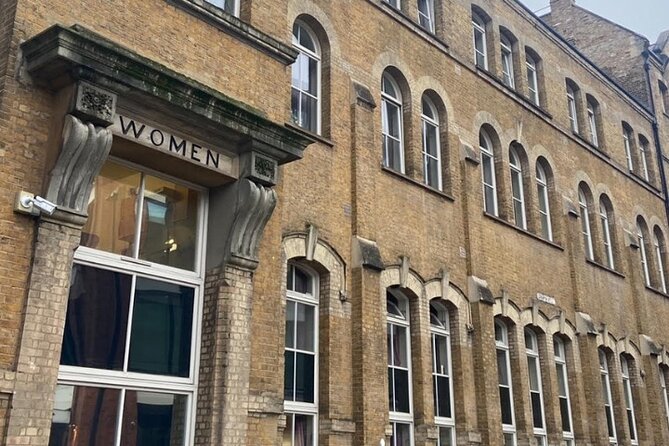
The tour begins at Aldgate Station, Aldgate High St (EC3N 1AH). The directions are straightforward, but there’s one small detail that matters: you need to use Aldgate Station (not Aldgate East).
Look for Hotel Saint at 9 Aldgate High Street while you’re exiting the station. The guide will be holding a yellow umbrella. If you’re the type who gets flustered at meeting points, this is exactly the kind of tour you want—clear start, recognizable guide, and a finish that’s famous enough you won’t be second-guessing your way out.
The end point is The Ten Bells, at 84 Commercial St (E1 6LY). That means you can plan a pub stop afterward without doing a transport puzzle at the end of your walk.
Stop 1: Whitechapel, the 1888 hunting ground that explains everything else
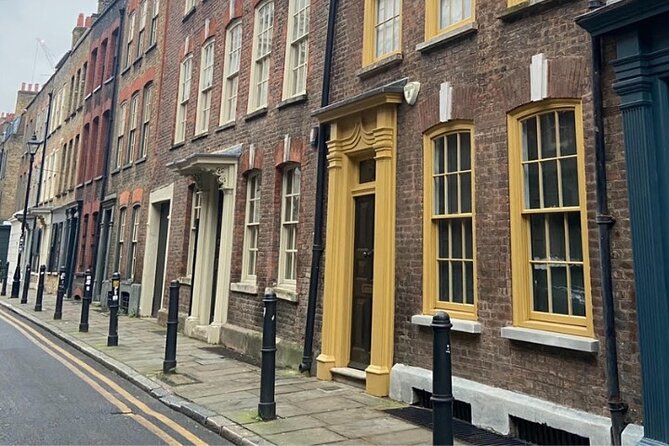
The first stop is Whitechapel, where the story takes shape. This isn’t just “here’s where it happened.” You’ll get the social backdrop: a densely populated East End with poverty, overcrowding, and social unrest in 1888.
That context matters because it changes how you see the case. Without it, Jack the Ripper becomes only a puzzle of names and suspects. With it, you start to understand why certain streets were where people lived, worked, and moved through the night—especially the women who became victims.
The tour also spends more time here than later stops (about 2 hours). Expect this segment to set the tone and explain the case structure: what the crimes were, why fear spread, and why the Whitechapel setting turned local horror into global attention.
If you’re a mystery lover, this is also where you’ll start hearing theories and how clues get weighed—because the “who did it” question is hard to approach without understanding the environment where the events unfolded.
Stop 2: The Ten Bells pub and the haunting question of a visit
After Whitechapel, the route hits The Ten Bells. This is the stop most people picture when they think Jack the Ripper, and for good reason: it’s tied to the victims’ last hours and the long-running question of whether the killer went there too.
This stop lasts around 10 minutes, but it’s packed. The story centers on what happened in the hours leading up to the murders and why the pub became such a magnetic piece of the case in London lore. If you love debates—real ones, not just spooky rumors—this is a good moment for the guide to talk through competing ideas.
One practical plus: the tour’s ending location is the same pub. If you enjoy the atmosphere after you learn the context, you won’t have to leave immediately to feel like you finished the arc.
Stop 3: Goulston Street and the apron clue at the doorway
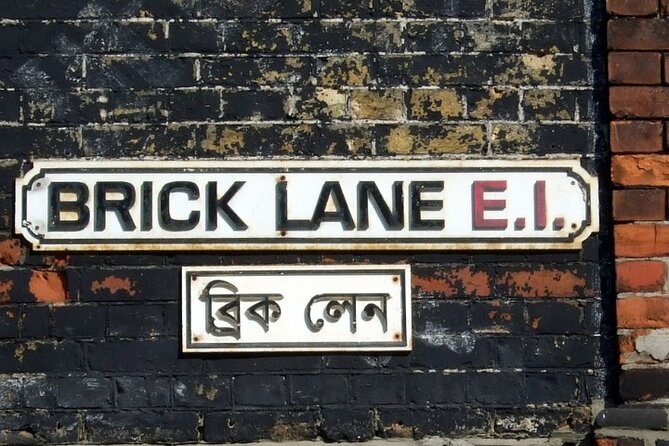
Next you’ll walk to Goulston Street, a key evidence point. The core detail: after the murder of Catherine Eddowes in 1888, part of her bloodied apron was found in a doorway on this street, making it central to the case.
This is where the tour shifts gears from setting and landmarks into object-based mystery. It’s also a reminder that the story isn’t just a sequence of attacks. It’s evidence that police and investigators had to interpret, under pressure and with limited tools.
The time here is short (about 10 minutes), so listen closely. This is one of those stops where the guide’s explanation makes the evidence feel less abstract and more grounded in real place.




Stops 4 to 6: Brick Lane, Spitalfields Market, and Christ Church Spitalfields
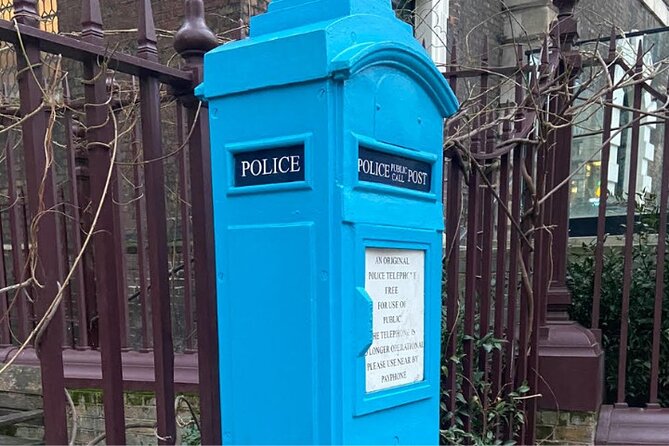
After the evidence point, the walk expands beyond the “headline corners” into streets that show what daily movement looked like for people at the time.
Brick Lane
Brick Lane is next, and the connection is about routine and proximity. This street was part of the impoverished East End during the Ripper era and was frequently visited by victims in 1888. That detail matters: you’re not only mapping crime scenes—you’re mapping paths that people already used.
Spitalfields Market (E1)
Then comes Spitalfields Market in E1. The emphasis here is how close the market area was to the grim events. Several victims lived or were last seen around the market’s streets, making it part of the larger backdrop of Victorian poverty and crime.
This is also a useful stop for modern travelers. Markets are easier to picture than alleyways. Even if you don’t fully know the East End’s layout today, the market area gives your brain a reference point.
Christ Church Spitalfields
Finally, you’ll see Christ Church Spitalfields. The church is described as a silent witness, looming over the impoverished streets tied to the 1888 murders. Some of the victims were last seen nearby, and the site adds an eerie atmosphere precisely because it’s still there.
And that’s a big reason these three stops work together. You go from streets shaped by survival (Brick Lane), to a known public hub (Spitalfields Market), to a prominent landmark you can’t miss (Christ Church Spitalfields).
Stop 7: St Botolph’s Aldgate and the Church of Prostitutes label
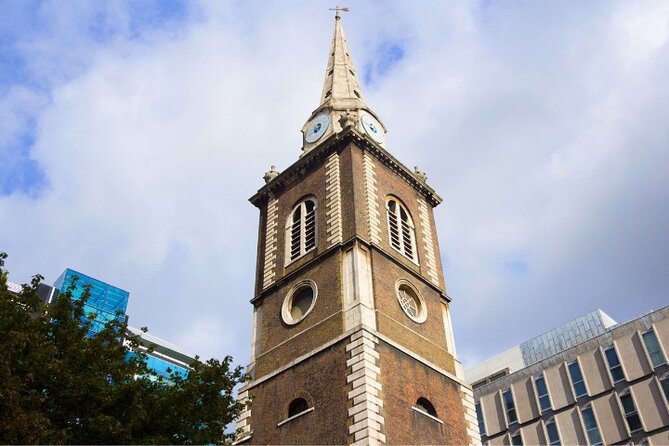
The last stop is St Botolph’s Aldgate. This church is linked to the case because of its proximity to Whitechapel crime scenes and the fact that women often gathered nearby for safety. The church is sometimes associated with the label Church of Prostitutes in the story of that era.
This is another short stop (about 10 minutes), but it’s meaningful for two reasons. First, it brings the conversation back to women’s lives and the social reality around the crimes. Second, it helps explain why the guide’s framing often feels more “human” than sensational.
If you’re looking for a tour that doesn’t just throw you into spooky London, this angle is a big part of why so many people rate the experience highly.
The part that most impacts your experience: how the guide tells it
Across the different guides who lead this walk, the strongest common thread is tone. This tour covers murder and prostitution, and the best guides handle it with care. People have praised guides for keeping the story respectful and focused on victims rather than turning it into shock value.
You may also notice that the delivery is tight and fast—one guide in particular was praised for speaking quickly while staying digestible. That’s a real skill on walking tours: if the guide rambles, you lose the thread and the group gets restless. If the guide is too slow, you never get to the key sites. From what I’ve seen described, the guides aim for clarity and momentum.
Some guides also use helpful visual support, such as photos, to clarify suspects, locations, and evidence. That matters if you’re the kind of traveler who learns better by seeing what you’re hearing.
Guides named Carolina and Adam have both been singled out for being engaging, respectful, and strong at context. Adam also drew praise for being friendly and even humorous—though still grounded in the facts. That balance is not easy to get right, and it’s a big part of why the tour lands for so many people.
Walking logistics that actually matter (and what to plan around)
This tour is for most people, but it isn’t for everyone.
- It is not suitable for guests with walking or mobility difficulties.
- It is not suitable for prams, buggys, or strollers.
- Service animals are allowed.
- It covers dark and mature themes, and children are recommended at age 14+. The guide won’t adjust the tour due to children in attendance.
So if you’re planning with family, make the call based on maturity, not just age on a ticket.
Weather matters too. Like most London walks, this one runs with good weather in mind. If conditions are poor, you may be offered a different date or a full refund.
For clothing, I’d treat it as a typical London walking outing: comfortable shoes, a weather layer, and something small for warmth if the evening cools down. Since you’re outdoors for hours, you’ll feel it if you’re underdressed.
Who this tour is perfect for
This is a strong match if you:
- want a route through Whitechapel rather than a vague self-guided hunt
- love crime history, especially theories and clues tied to real locations
- care about the victims and want a story framed with respect
- enjoy landmarks like Brick Lane and Spitalfields Market as more than just backdrops
It’s less of a match if you:
- need step-free or stroller-friendly routes
- want a family-friendly ghost story
- dislike mature themes like murder and prostitution
Should you book this Jack the Ripper Walking Tour of London?
Yes, I’d book it if you want a well-structured East End walk with clear stops and a guide who keeps the tone respectful. The combination of Whitechapel context, The Ten Bells focus, and evidence at Goulston Street gives you more than the usual “tourist hit list.”
Also, the price-to-time ratio is one of the best parts. A 2 to 3 hour guided walk for about $19.41 is the kind of London value that lets you spend your remaining budget on dinner near the route—especially since the walk ends at The Ten Bells.
If you’re sensitive to dark themes, or if mobility/stroller needs are part of your day, skip it and choose a different kind of tour. But for mystery lovers who want a map you can trust and a story told with care, this is one of the most straightforward ways to do it.
FAQ
How long is the Jack the Ripper walking tour?
It runs about 2 to 3 hours.
Where does the tour start and end?
The tour starts at Aldgate Station, Aldgate High St, London EC3N 1AH and ends at The Ten Bells, 84 Commercial St, London E1 6LY.
Is the tour offered in English?
Yes, the tour is offered in English.
What’s included with the tour?
You get a guided walking tour of Jack the Ripper’s London, real-life crime scenes around Whitechapel, theories and evidence about the killer’s identity, stories about the victims and East End life in Victorian London, and East End landmarks including Spitalfields Market and Brick Lane, with a professional tour guide.
Is this tour suitable for mobility issues or strollers?
No. The tour is not suitable for guests with walking or mobility difficulties, and it is not suitable for prams, buggys, or strollers.
Does it cover mature themes?
Yes. The tour covers dark and mature themes including murder and prostitution. Children’s participation is at the parent/guardian discretion, but the tour recommends age 14+.
What happens if the weather is bad?
The experience requires good weather. If it’s canceled due to poor weather, you’ll be offered a different date or a full refund.
What is the cancellation policy?
You can cancel for free up to 24 hours in advance for a full refund. If you cancel less than 24 hours before the start time, the amount you paid will not be refunded.