REVIEW · LONDON
London: The Courtauld Gallery at Somerset House Entry Ticket
Book on GetYourGuide →Operated by The Courtauld · Bookable on GetYourGuide
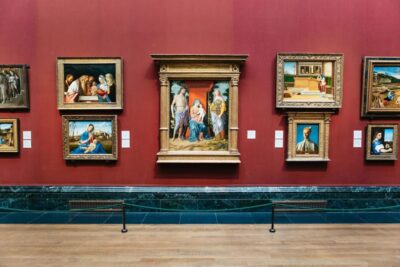
A great art stop in a gorgeous London setting. The Courtauld Gallery inside Somerset House brings together major works from Van Gogh, Monet, Degas, and more. I love how the building makes the experience feel like you’re moving through history, and I also love landing on headline pieces like Botticelli’s work and Manet’s Paris street life.
You’ll get a strong hit of Impressionism and Post‑Impressionism right away, with key names like Manet and Van Gogh in the LVMH Great Room. An included English audio guide is a practical way to make sense of what you’re seeing, even if you’re not an art-history expert.
One drawback to plan around: this entry ticket covers the permanent collection only. If temporary exhibitions are high on your list, you’ll need a separate ticket for those.
In This Review
- Key things that make this Courtauld ticket worth your time
- Entering Somerset House: Where the Courtauld starts to feel different
- The LVMH Great Room: Impressionism and Post‑Impressionism you can’t miss
- Blavatnik Fine Rooms: Renaissance to the 18th century in a clean, memorable upstairs route
- The Ruddock Family Gallery: Medieval and Early Renaissance foundations
- 20th‑century art and the Bloomsbury Group: Ending on a different kind of London
- Using the included English audio guide the smart way
- Price and value: What $16 gets you in London
- Who should book this Courtauld Gallery ticket
- Should you book the Courtauld Gallery at Somerset House entry ticket?
- FAQ
- Where is the Courtauld Gallery located?
- What is included with this ticket?
- Are temporary exhibitions included?
- How long is the ticket valid?
- What is the price per person?
- What language are the host and audio guide?
- Is the experience wheelchair accessible?
- Do I need to choose a time slot?
- What is the cancellation policy?
Key things that make this Courtauld ticket worth your time
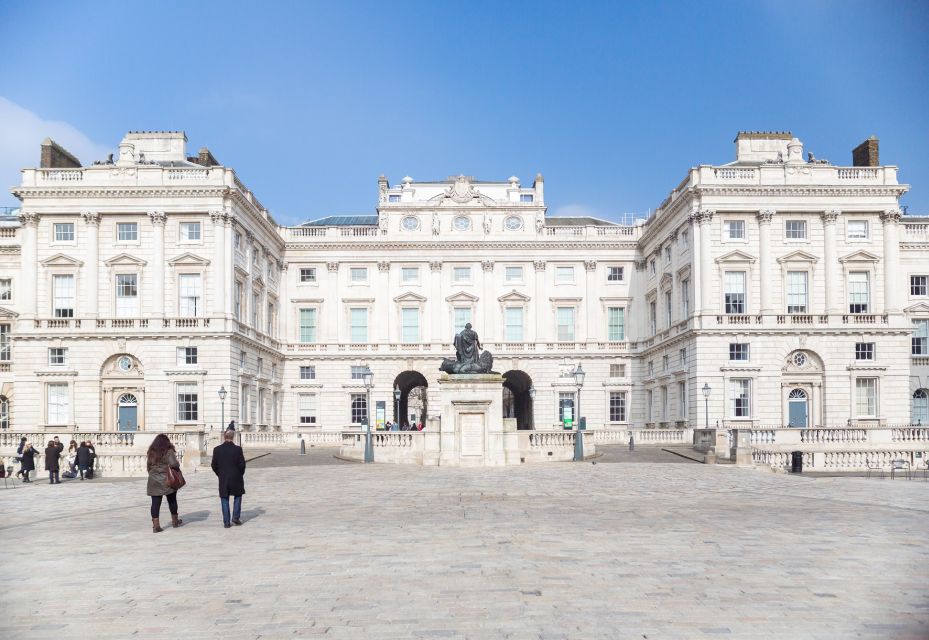
- Somerset House setting: You’re not just viewing art; you’re in a place that feels special to walk around.
- LVMH Great Room focus: Impressionist and Post‑Impressionist highlights come early, with big-name works to anchor the visit.
- Blavatnik Fine Rooms range: Renaissance to 18th‑century art gives you a clear sense of how styles and subjects evolved.
- Renaissance power and beauty: Botticelli’s Trinity with Saints is one of the most memorable moments on the route.
- Medieval and Early Renaissance variety: The Ruddock Family Gallery adds earlier foundations without dragging the pace.
- 20th‑century changes on the walls: A section dedicated to later art and the Bloomsbury Group helps you end with a different mood.
Entering Somerset House: Where the Courtauld starts to feel different
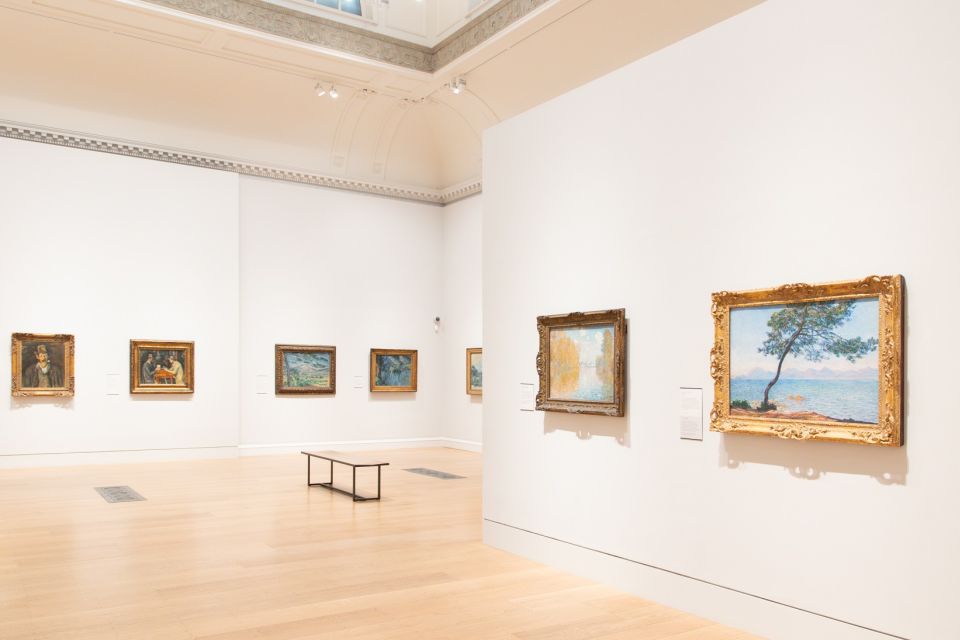
Before you even reach the first galleries, I like the sense of arrival that Somerset House creates. The Courtauld Gallery is located within Somerset House, so your visit has that extra “London landmark” feeling instead of feeling like you’re popping into a small museum room.
This matters because it sets your expectations. With a one-day ticket, you want a museum that helps you keep moving—rooms that make the art easy to find and sections that naturally progress. The Courtauld does that with named areas like the LVMH Great Room, the Blavatnik Fine Rooms, and the Ruddock Family Gallery.
You’ll also have an English host/greeter, plus an English audio guide included. That combination is especially useful if you want structure without booking a full guided tour style experience.
You can also read our reviews of more tours and experiences in London


The LVMH Great Room: Impressionism and Post‑Impressionism you can’t miss
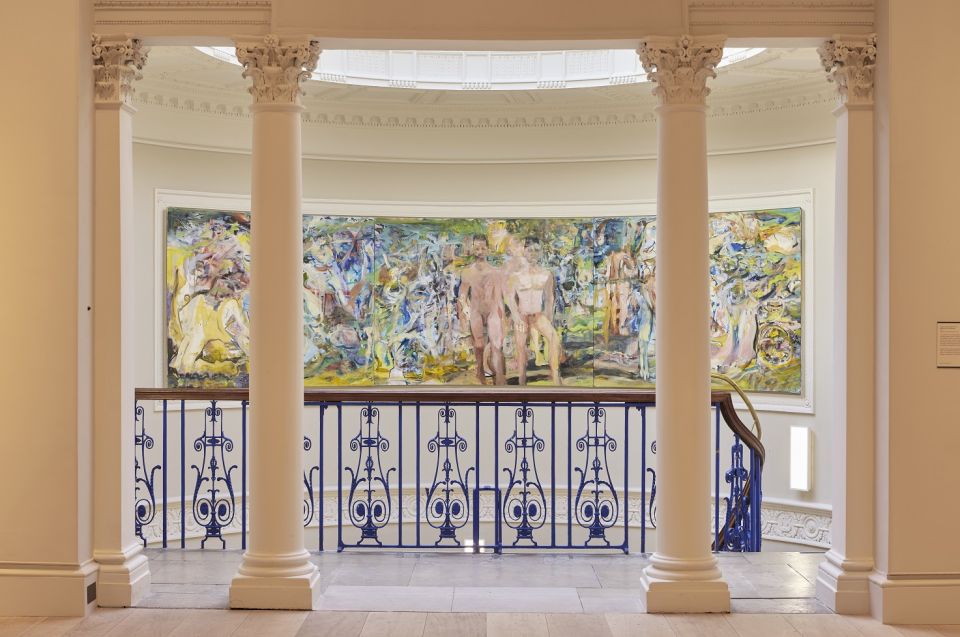
This is the start-and-sprint zone. The visit begins on the ground floor in the LVMH Great Room, where Impressionist and Post‑Impressionist works set the tone immediately.
I like that you don’t have to hunt for the big names. Manet’s A Bar at the Folies Bergère is the kind of painting that pulls you in fast—Paris nightlife energy, with a spotlight-on-the-moment feeling. Pair that with Van Gogh’s Self‑Portrait with Bandaged Ear, and you get two very different emotional temperatures in the same early stretch.
Another key point for UK art lovers: the Courtauld includes a UK treasure trove of Cézanne works. Even if you only spend a short time here, Cézanne’s presence helps connect what came before and what was changing right as modern art took off.
And yes, Monet and Degas are part of what you’re likely to see across the collection too. This is a good stop if you want variety without bouncing between multiple museums.
Blavatnik Fine Rooms: Renaissance to the 18th century in a clean, memorable upstairs route
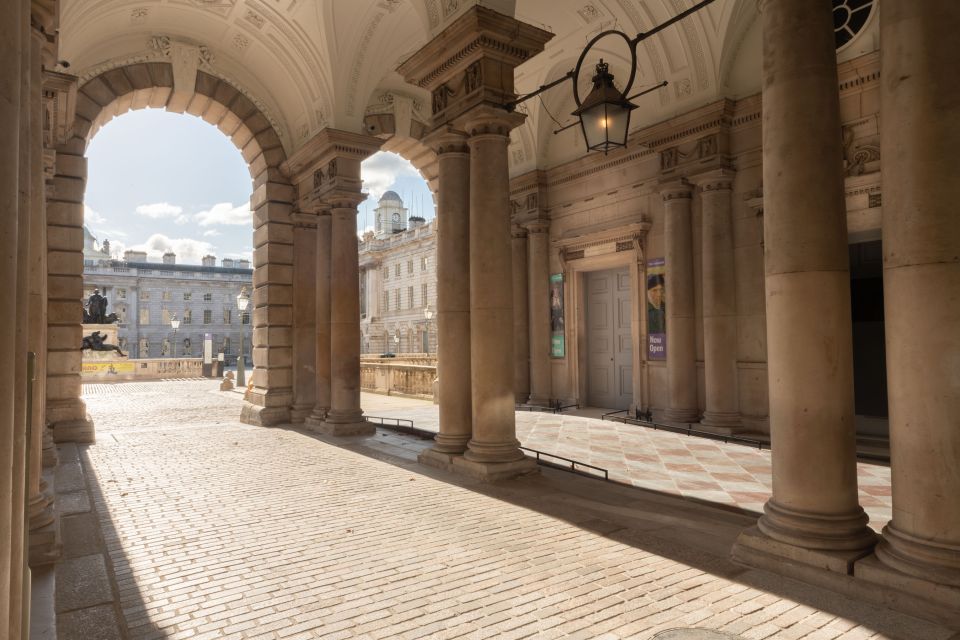
If the first room cluster feels like speed and shock, the second-floor Blavatnik Fine Rooms slow things down—in a good way. You move up to a haven of Renaissance to 18th‑century art, and the shift in subject and style becomes part of the experience.
This is where the Courtauld leans into big “how did they do that?” artworks. Lucas Cranach’s Adam and Eve gives you an early look at Renaissance-era storytelling and design thinking. Then you’re met with Rubens’ The Descent From The Cross, which brings drama and movement to a religious subject—more action than you might expect if you’re used to calmer religious scenes.
Botticelli’s Trinity with Saints is a star moment. I like this because it’s not just about name recognition—the painting connects beauty, symbolism, and devotional purpose in a way that makes you want to stand closer. It’s also a perfect contrast to the modern energy downstairs.
Pieter Bruegel the Elder’s Landscape with a flight into Egypt adds another kind of scene-building: a story inside a world. Even if you don’t spend long in every room, Bruegel gives you a satisfying “look around and keep noticing details” feeling.
The Ruddock Family Gallery: Medieval and Early Renaissance foundations
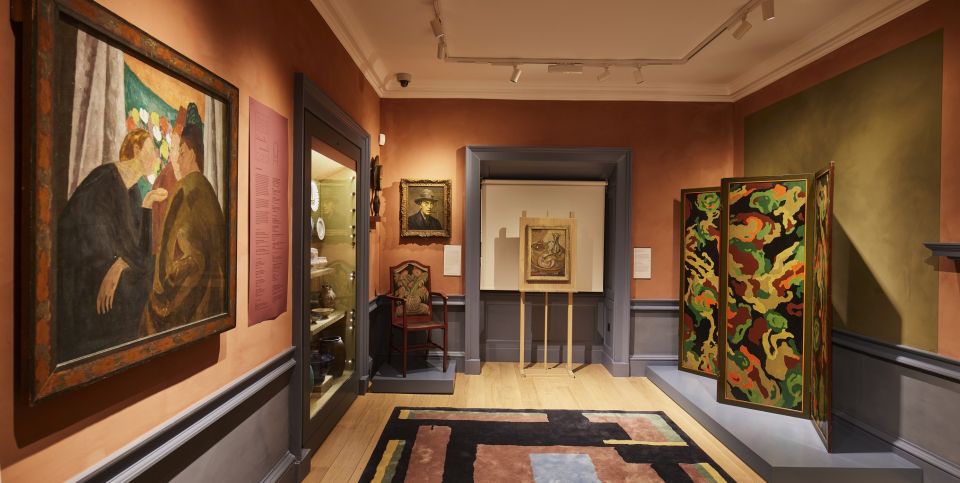
Not every museum gives you earlier art in a way that feels worth your attention. Here, the Ruddock Family Gallery focuses on Medieval and Early Renaissance art, keeping the transition from older roots to later breakthroughs clear.
I think this is valuable because it answers an unasked question: why the famous later masters look and think the way they do. When you see earlier approaches to figures, composition, and religious themes, later works start to feel less random. The whole experience becomes more logical, even if you only use a casual glance at labels and your audio guide.
This section is also a useful pace reset. If you’re doing a one-day visit, you’ll likely appreciate having a different “art era” mood to break up the big Impressionist and Renaissance punch.
20th‑century art and the Bloomsbury Group: Ending on a different kind of London
After Renaissance and earlier foundations, the Courtauld shifts again into 20th‑century art. The museum includes displays connected to the Bloomsbury Group, with presentations that can change.
I find this ending section smart for a one-day ticket. You start with Impressionist immediacy, move through Renaissance to craftsmanship and symbolism, then land in the 20th century where ideas and style often feel more directly tied to modern life. Even without a long stay, this gives you a more complete view of what the Courtauld is doing.
Because these displays can vary, treat this part as flexible. Use the audio guide to steer you toward what’s on view that day, rather than trying to force a “fixed route” like you would in a monument with set chambers.
You can also read our reviews of more museum experiences in London





Using the included English audio guide the smart way
The audio guide is included, in English, which makes this ticket easier to use than many small collections. I like using it for the first few artworks in each room block, because that helps you calibrate your eye quickly.
A simple approach that works well:
- Start with the audio guide in the first major room (LVMH Great Room) so you understand what to watch for: style, subject, and why that work matters.
- Then switch to shorter bursts upstairs in the Blavatnik Fine Rooms, letting Botticelli, Rubens, and Bruegel anchor your memory.
- Use the audio guide again for Medieval and 20th‑century sections when the changes in time period might feel harder to spot quickly.
If you’re not trying to memorize art history, you’ll still get enough context to enjoy the paintings as human moments. The guide helps you avoid the common problem of walking past masterpieces and only remembering names.
Price and value: What $16 gets you in London
At $16 per person for entry to the Courtauld Gallery permanent collection, this is a strong value if your goal is major art in a limited time. You’re not paying for temporary exhibitions that might not match your interests. Instead, you’re paying for a stable collection that includes headline works across multiple eras.
And because the museum is organized into clear sections—Impressionism/Post‑Impressionism downstairs, Renaissance upstairs, and additional galleries in between—you can see a lot without needing a complex plan. For a one-day visit, that efficiency matters.
If your must-see list is heavy on Manet, Van Gogh, and Botticelli (plus Renaissance masters and early art roots), this ticket fits well. If you’re primarily chasing whatever is on view temporarily that week, you’ll likely want to pair this with whatever extra exhibition ticket is required.
Who should book this Courtauld Gallery ticket
This ticket makes the most sense if you want:
- A focused one-day museum experience
- A mix of Impressionism, Renaissance art, and Medieval/Early Renaissance foundations
- A collection anchored by major names like Manet, Van Gogh, Botticelli, Rubens, and Bruegel
It’s also a good choice if you like structure but still want freedom. With an included English audio guide and an English host/greeter, you get helpful guidance without locking yourself into a group schedule.
One more practical plus: the experience is wheelchair accessible. If mobility is part of your planning, this is a comfortingly clear feature.
Should you book the Courtauld Gallery at Somerset House entry ticket?
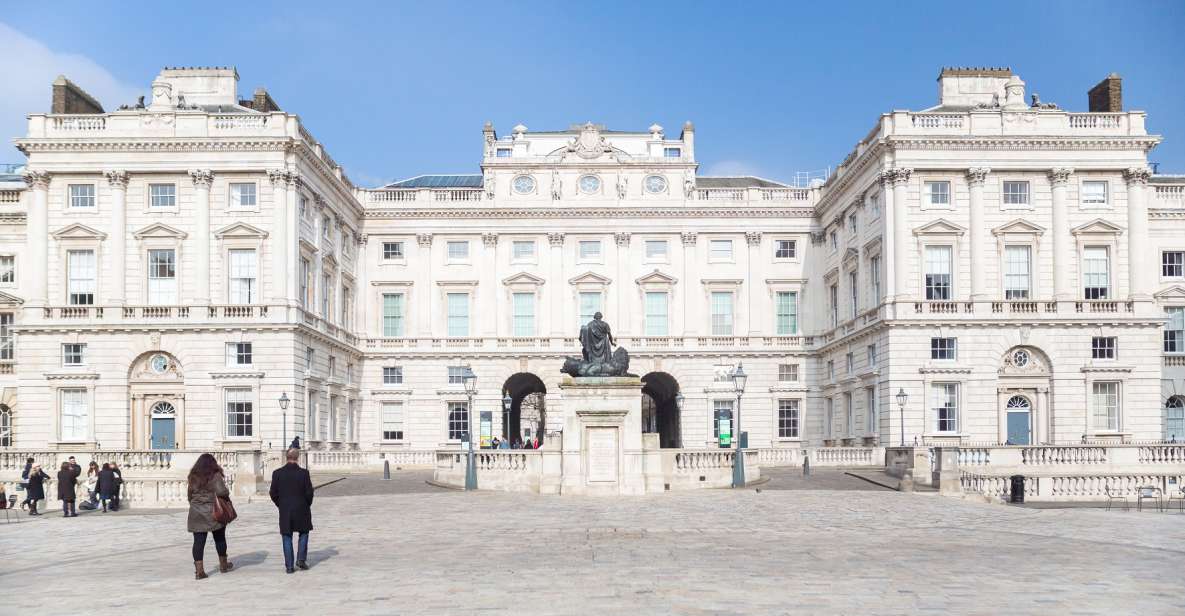
Yes, if you want world-class art without the stress of hopping between multiple museums in one day. The price-to-art ratio is solid, and the way the galleries are arranged makes it realistic to see a meaningful arc: Impressionism to Renaissance to the 20th century.
Book it if your eyes are on Manet, Van Gogh, Botticelli, and the broader idea of how European art changes over time. Skip or add an extra ticket only if temporary exhibitions are a must for you.
FAQ
Where is the Courtauld Gallery located?
The Courtauld Gallery is within Somerset House.
What is included with this ticket?
This ticket includes entry to the Courtauld Gallery permanent collection, plus an English audio guide.
Are temporary exhibitions included?
No. Temporary exhibitions are not included with this entry ticket.
How long is the ticket valid?
The ticket is valid for 1 day.
What is the price per person?
The price is listed as $16 per person.
What language are the host and audio guide?
The host/greeter and the audio guide are in English.
Is the experience wheelchair accessible?
Yes, it is wheelchair accessible.
Do I need to choose a time slot?
You can check availability to see starting times.
What is the cancellation policy?
Free cancellation is available up to 24 hours in advance for a full refund.