REVIEW · LONDON
Secret Old London Walking Tour
Book on GetYourGuide →Operated by Fun London Tours · Bookable on GetYourGuide
Old London gets loud in your head. This 1.5-hour walk strings together Charterhouse Square and Smithfield so you feel the medieval and Tudor past right inside the modern City streets.
I love the way the route sticks to real corners you’d usually speed past, starting outside Barbican Underground and moving through churchyard and memorial spaces. And I especially like the guide-led storytelling—people have praised guides such as Rosie, Pepe, Jess, and Jeremy for making history feel personal, with enough humor and energy to keep you listening.
One thing to consider: the themes are dark (plague, executions, wartime destruction), and you’ll even stand inside a bombed-out church shell. If you want light sightseeing only, this might feel intense.
In This Review
- Key highlights you’ll feel right away
- Start outside the Barbican and walk into layered London
- Charterhouse Square: peace on top of plague history
- Smithfield: medieval jousts and principal execution sites
- St Bartholomew the Great: where the churchyard becomes a time machine
- Blitz ruins: standing inside the bombed-out shell of a church
- Memorials that hit: hidden tribute and a touching park pause
- Finding the Roman amphitheatre perimeter in modern London
- Why the guide style matters more than you’d expect
- Value for $26: what you’re really paying for
- Who this tour is best for
- Should you book this Secret Old London Walking Tour?
- FAQ
- Where does the tour start?
- How long is the Secret Old London Walking Tour?
- How much does it cost?
- Is the tour wheelchair accessible?
- What language is the guide?
- Can I bring pets or dogs?
- Is video recording allowed?
Key highlights you’ll feel right away
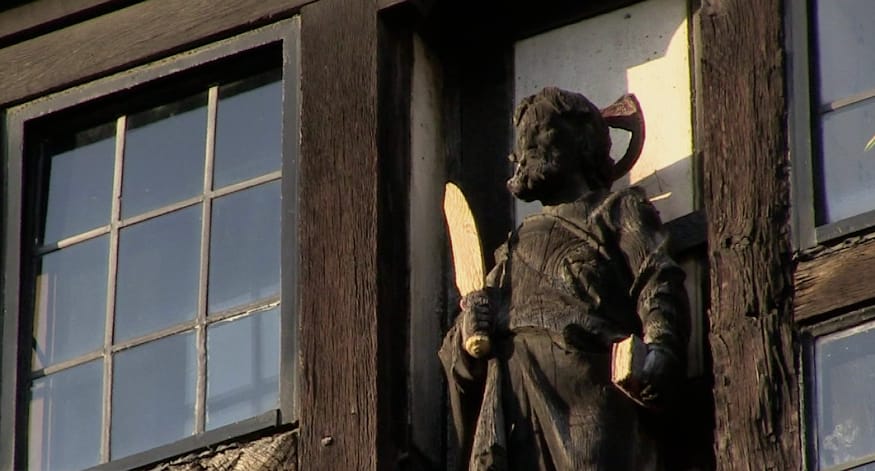
- Charterhouse Square’s Black Death setting: a peaceful ambiance over a place that functioned as a dumping ground during the plague.
- Smithfield’s medieval mix of sport and terror: medieval jousts nearby, plus execution history tied to names like William Wallace.
- St Bartholomew the Great in a movie-and-TV world: a standout medieval church that’s shown up in films like Four Weddings & A Funeral and Sherlock Holmes.
- Blitz ruins you can stand inside: the experience shifts from street-level history to wartime remains.
- Memorial stops with real emotional weight: including a hidden memorial to heroic self sacrifice and a touching memorial in a park.
- Roman London traced by foot: you locate the perimeter of a long-lost Roman amphitheatre area.
Start outside the Barbican and walk into layered London
Meet outside Barbican Underground Station. That’s a nice advantage: the start is easy to find, and it gets you moving right away instead of spending time “getting oriented” in a busy tourist hub.
The walk is 1.5 hours. That length matters in London, where time usually disappears. Here, you get a tight, focused route that hits several time periods—medieval, Tudor, Roman, and the Blitz—without turning into a full-day grind.
This is also a practical tour for comfort and movement. You’ll want comfortable shoes, and the rules are simple: no pets, no luggage or large bags, and no video recording. If you’re traveling light, you’re set.
One more note: it’s listed as wheelchair accessible, so the pacing should be realistic for mixed mobility needs. Still, it’s a walking tour, so plan for cobbles or uneven pavement you might encounter around older streets.
You can also read our reviews of more walking tours in London



Charterhouse Square: peace on top of plague history
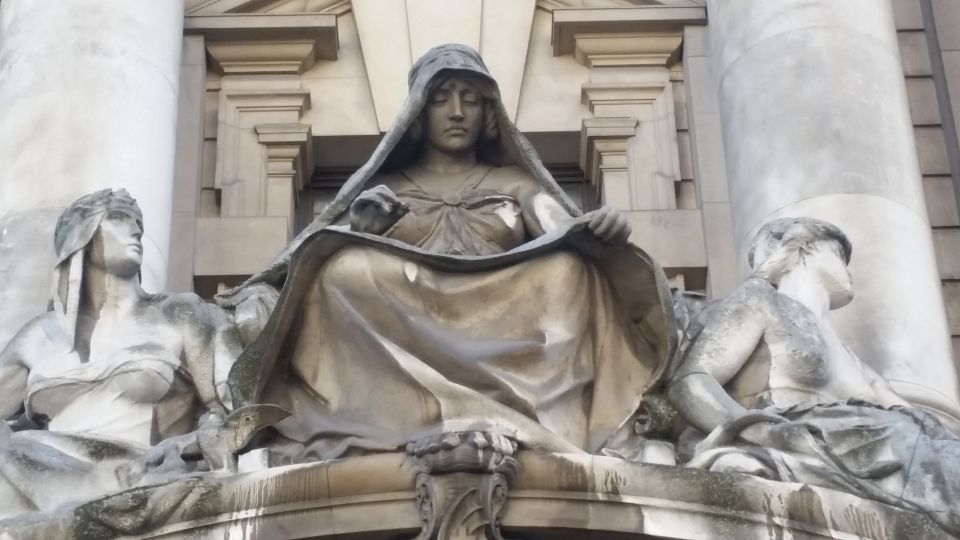
Your first big stop is Charterhouse Square. On the surface, it’s calm. But the story connected to this open space is brutal: about 600 years ago, it served as the dumping ground for London’s worst outbreak, the Black Death.
I like this kind of contrast. You don’t just read about the plague; you stand in the same kind of open-space setting and let your imagination do the rest. It’s one of the most effective ways to understand how far London’s present rests on top of its past.
The value here isn’t a scary reenactment. It’s perspective. When you learn that a “quiet” square once carried plague waste, the rest of the tour lands with more meaning. Every later churchyard, memorial, and grim execution site feels less like random history and more like part of a single long story of survival.
Smithfield: medieval jousts and principal execution sites
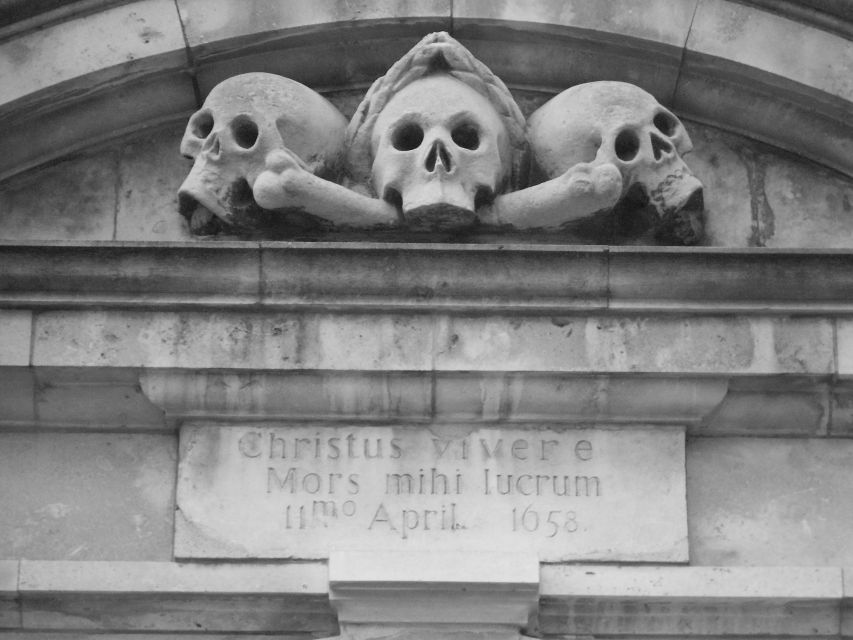
Next comes Smithfield, an open space with a double identity: medieval entertainment on one side, and public executions on the other. It’s described as home to medieval jousts and grisly executions, including history connected to William Wallace.
I like Smithfield because it forces you to visualize a society that didn’t separate “fun” from “fear” the way we often expect. In your head, you’re toggling between pageantry and punishment—exactly the mental shift that makes a short history walk memorable.
This is also where the tour’s darker tone comes into focus. You’ll be guided to understand Smithfield as one of London’s principal execution sites, so it’s worth mentally preparing for grim themes. If you’re traveling with teenagers or history-loving adults over 12, this is often a strong “wow” segment. If your group prefers sanitized history, it’s the part where you’ll want the conversation to be gentle.
St Bartholomew the Great: where the churchyard becomes a time machine
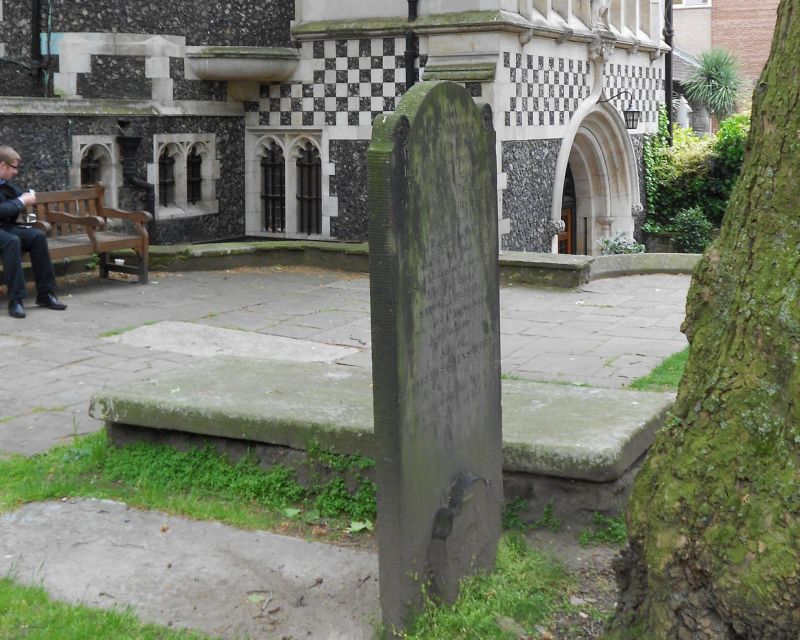
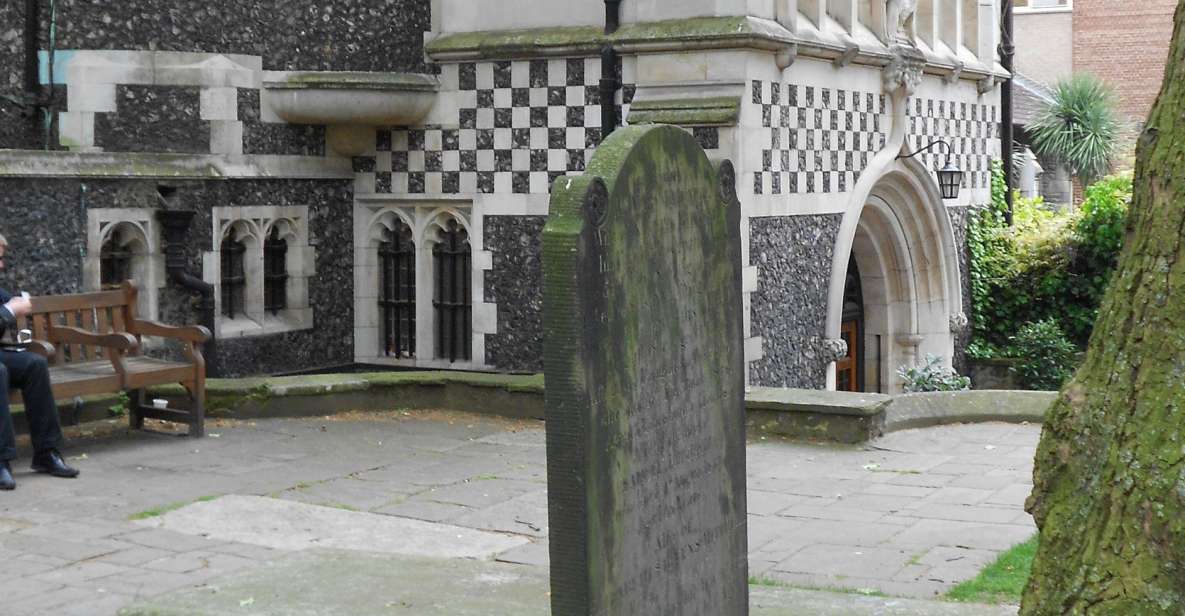
Between the plague-area and the execution-area settings sits one of the tour’s most talked-about stops: St Bartholomew the Great. This is an outstanding medieval church, and it has popped up in popular culture—used in movies like Four Weddings & A Funeral and in Sherlock Holmes.
What I like about a stop like this is the scale. A church like this holds centuries in one place: architecture, religious life, and the way communities gathered. The tour uses the churchyard atmosphere to help you imagine the medieval world as something lived-in, not just dated.
You also get a shift in energy. After the execution history, the church setting slows the pace just enough to let the emotional content settle. That balance is important on a 90-minute walk: you don’t want every moment to feel like a shock, even when the history is fascinating.
Practical tip: since you might be standing around for guide explanations, come prepared to stay comfortable. The tour stresses comfortable shoes, which is spot-on for a churchyard setting and older streets.
Blitz ruins: standing inside the bombed-out shell of a church
One of the most powerful parts of this walk is the shift into wartime remains. The tour takes you past the shell of a church destroyed in the Blitz, and it also includes time to stand inside the bombed-out shell of a church.
This is where the tour goes from “history stories” to physical reality. You’re not just being told about destruction—you’re standing in the kind of space that makes that destruction feel immediate. Even if you’re not a WWII buff, it’s hard not to slow down here.
There’s a small but important rule to remember: no video recording. So if you’re the type who documents everything, plan to rely on notes and photos you’re allowed to take in the moment (the tour only explicitly bans video recording).
This stop is also a good place to think about how London rebuilds while still leaving reminders behind. The broken church shell becomes a silent marker of change—one you can’t get from a quick postcard.





Memorials that hit: hidden tribute and a touching park pause
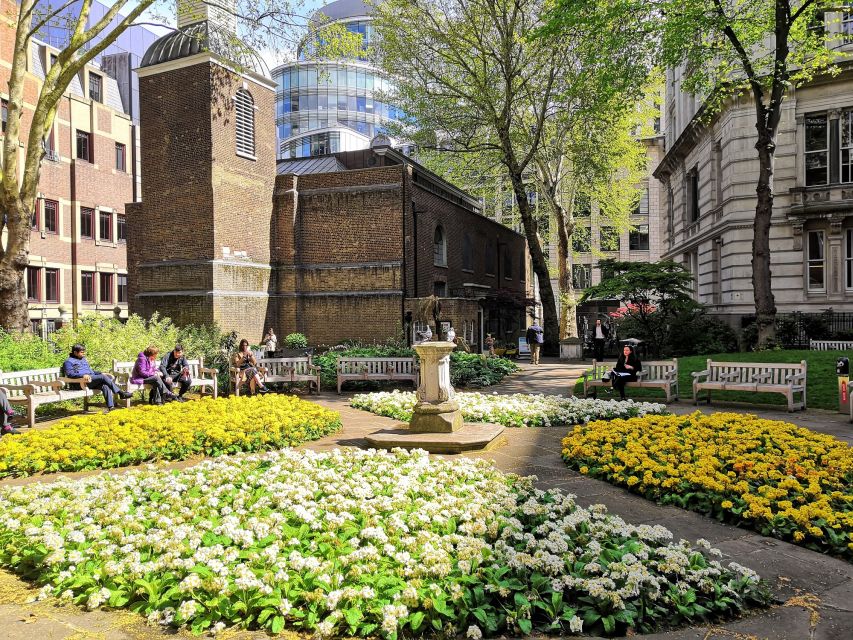
Throughout the route, you’ll hit memorial moments. The highlights call out a hidden memorial to heroic self sacrifice, and the description also includes a park with a touching memorial.
I like when a walking tour includes memorials because it prevents the story from becoming only spectacle. Yes, executions and wartime destruction are part of London’s record, but memorials are where you understand what the community chose to remember—and why.
These stops can also be a nice reset. After the Blitz ruins, a park memorial offers a calmer pocket in the route where your brain can process everything you just learned. If your group tends to rush, this is where the guide’s pacing can help you slow down without losing momentum.
Finding the Roman amphitheatre perimeter in modern London
Then comes the Roman chapter. The tour guides you to the location of the city’s long lost Roman amphitheatre, specifically to locate the perimeter.
This is a clever kind of sightseeing. You’re essentially using the present as a clue to the past. Instead of expecting a fully intact Roman structure, you get the feeling of Roman London traced by what remains—or what can be inferred—right in the streets.
I find this especially good for visitors who think Roman history only belongs to big, obvious ruins. Here, Roman London is something you can detect even when the physical evidence is mostly gone. That’s a satisfying kind of history work, and it fits well in a short walk.
Why the guide style matters more than you’d expect
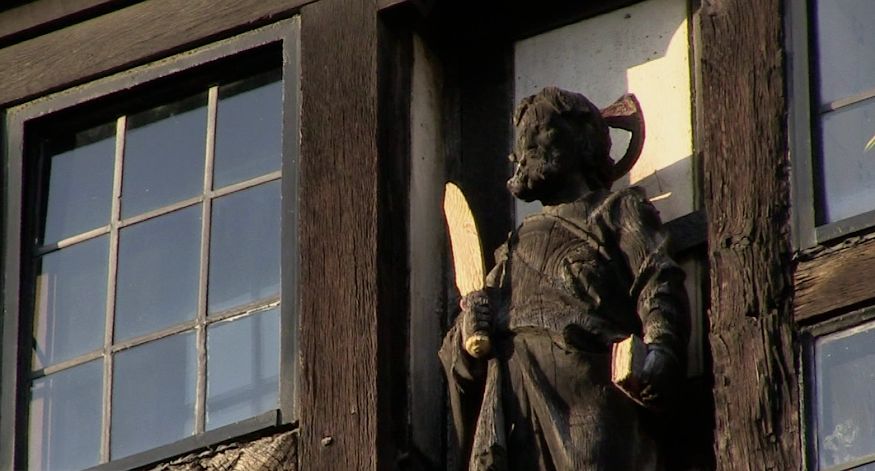
A lot of walking tours sound the same on paper: stand here, hear history, move on. What makes this one different is the guide delivery. Many of the best-rated comments point to a mix of knowledge plus entertainment, with guides praised for being passionate, fun, and approachable.
You’ll also notice that the tour isn’t stuck in one lane. Mentions include coverage that ties in politics, architecture, and language history alongside the main events. That matters because it helps you connect details instead of just collecting facts.
One small “real life” tip from the experience descriptions: cold weather can affect comfort. There’s at least one note about staying warm being easier if there’s more movement and less standing around for picture discussion. If you’re going in winter, bring layers you can handle while waiting outside.
And yes, there are reports of weather timing working in your favor—like rain stopping right when the walk started and then the sun coming out. London loves surprises, so don’t count on that, but it’s a nice reminder that timing can be good.
Value for $26: what you’re really paying for
At $26 per person for 1.5 hours, you’re buying two things: a guide and a route design that links multiple centuries in a single flow.
What you get that’s hard to replicate alone:
- A guided focus on places you might not notice as you walk by (including memorials and specific “spots” tied to darker history).
- A narrative that turns unrelated landmarks—plague squares, execution areas, a famous medieval church, Blitz ruins, Roman traces—into one connected explanation.
- An energetic delivery style from guides named by past groups, like Rosie, Pepe, Jess, and Jeremy.
What you don’t get: refreshments. So if you’re someone who snacks mid-tour, bring a plan. Also, because it’s short, you’ll feel the clock—there’s no long café break built in.
Who this tour is best for
This walk fits best if you like:
- Atmosphere and history more than “must-see” monuments.
- Thinking about how daily life overlaps with harsh events: plague, punishment, rebuilding after war.
- Stories that blend architectural detail and politics, not only dates.
It’s also clearly framed for people over 12, so it can work for teen groups who enjoy real-world history. On the flip side, if your group wants purely upbeat sightseeing, the execution-and-Blitz themes may be a mismatch.
Wheelchair accessible is a major plus for many visitors, and the meeting point at Barbican is straightforward. Just remember it’s still a walking experience, so expect street walking for the duration.
Should you book this Secret Old London Walking Tour?
I’d book it if you want a short, high-impact way to experience London’s layers without the typical tourist bubble. The combination of medieval churchyard atmosphere, memorial moments, Blitz ruins, and a Roman amphitheatre perimeter makes it feel like more than the sum of its stops.
I’d skip or rethink it if your ideal London day is light, funny, and low-emotion. This tour leans into plague, executions, and wartime destruction—handled thoughtfully, but not sugarcoated.
If that kind of history doesn’t scare you (and your shoes are up to it), it’s one of the more memorable ways to see the City of London in a single afternoon.
FAQ
Where does the tour start?
The meeting point is outside Barbican Underground Station.
How long is the Secret Old London Walking Tour?
The tour duration is 1.5 hours.
How much does it cost?
The price is $26 per person.
Is the tour wheelchair accessible?
Yes, the tour is listed as wheelchair accessible.
What language is the guide?
The live tour guide speaks English.
Can I bring pets or dogs?
Pets are not allowed, and dogs are not permitted except guide dogs.
Is video recording allowed?
No, video recording is not allowed.